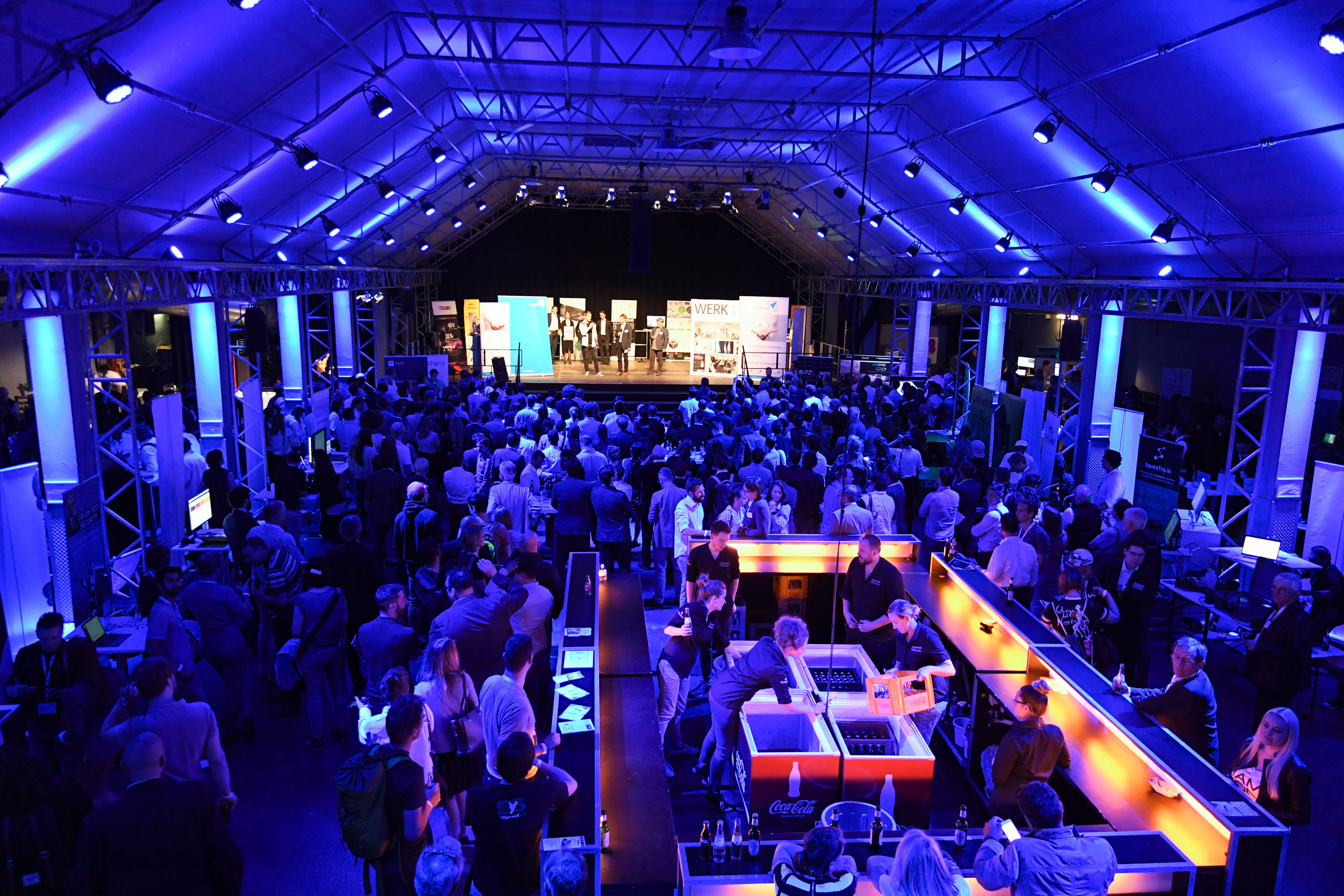
BayStartUP awarded the winners of Phase 2 of the Munich Business Plan Competition 2018 on Tuesday evening as part of the 11th Startup Demo Night.
First place went to Plasmion. The startup uses its SICRIT technology to "transform" laboratory equipment into a kind of electronic nose. The odor sensors open up entirely new areas of application for the devices, for example in industrial process control, the security industry, or medicine. Second place went to the electrical engineering startup ChargeX with its intelligent, modular charging infrastructure for electric cars. The jury awarded third place to the medical technology startup Kumovis. The company develops 3D printers specifically tailored to medical technology requirements. The prize money totals €9,000.
70 startups at the Demo Night
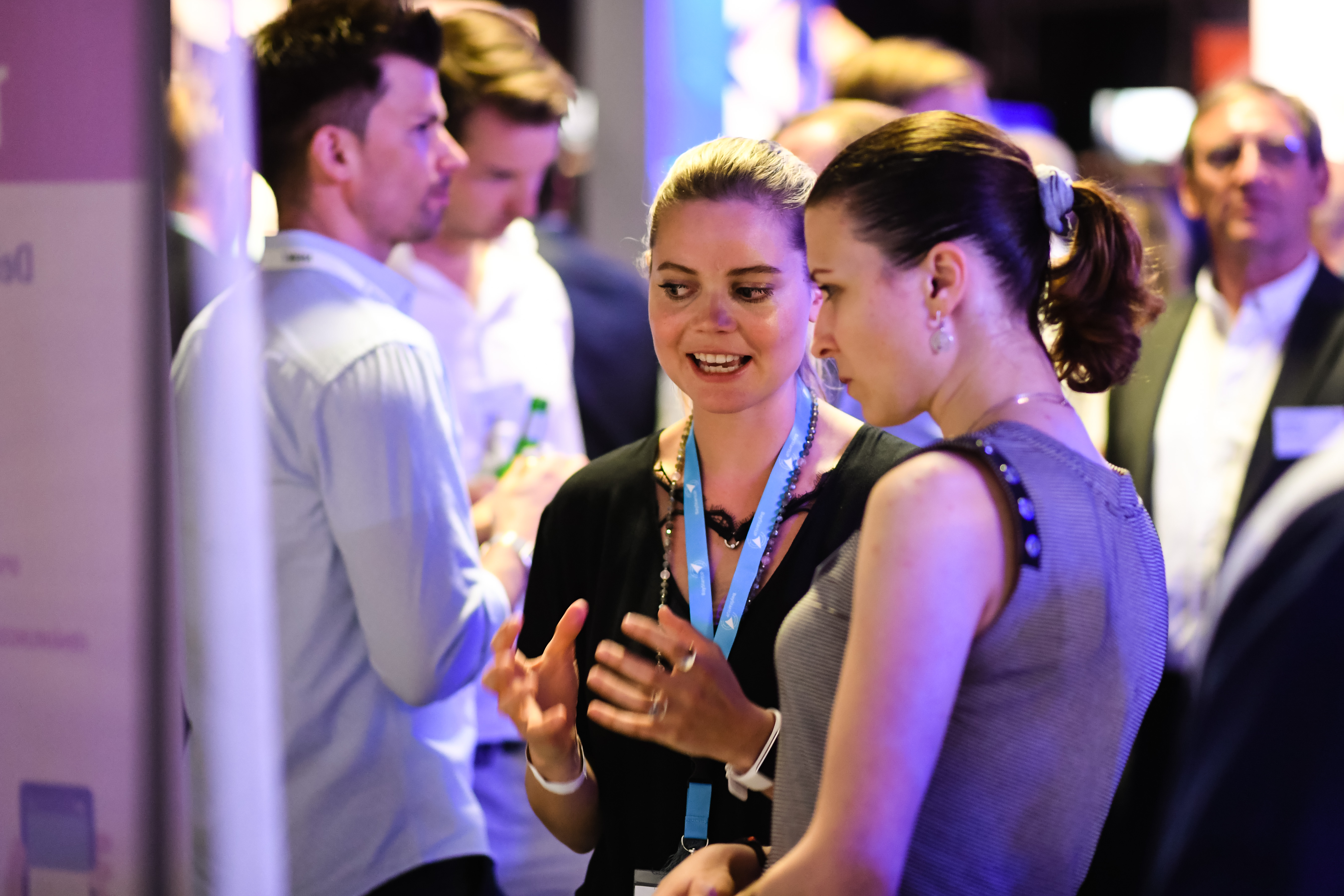
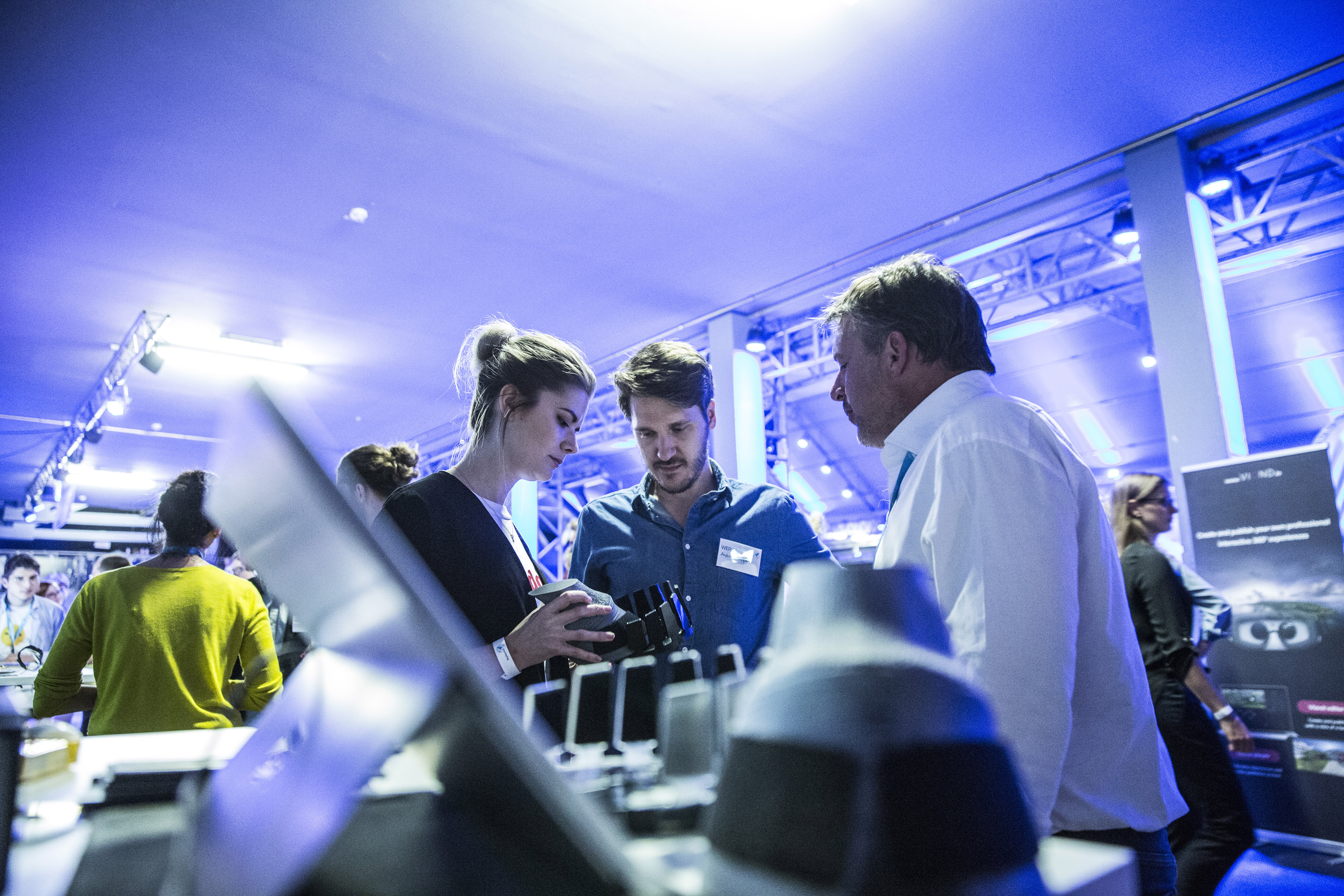
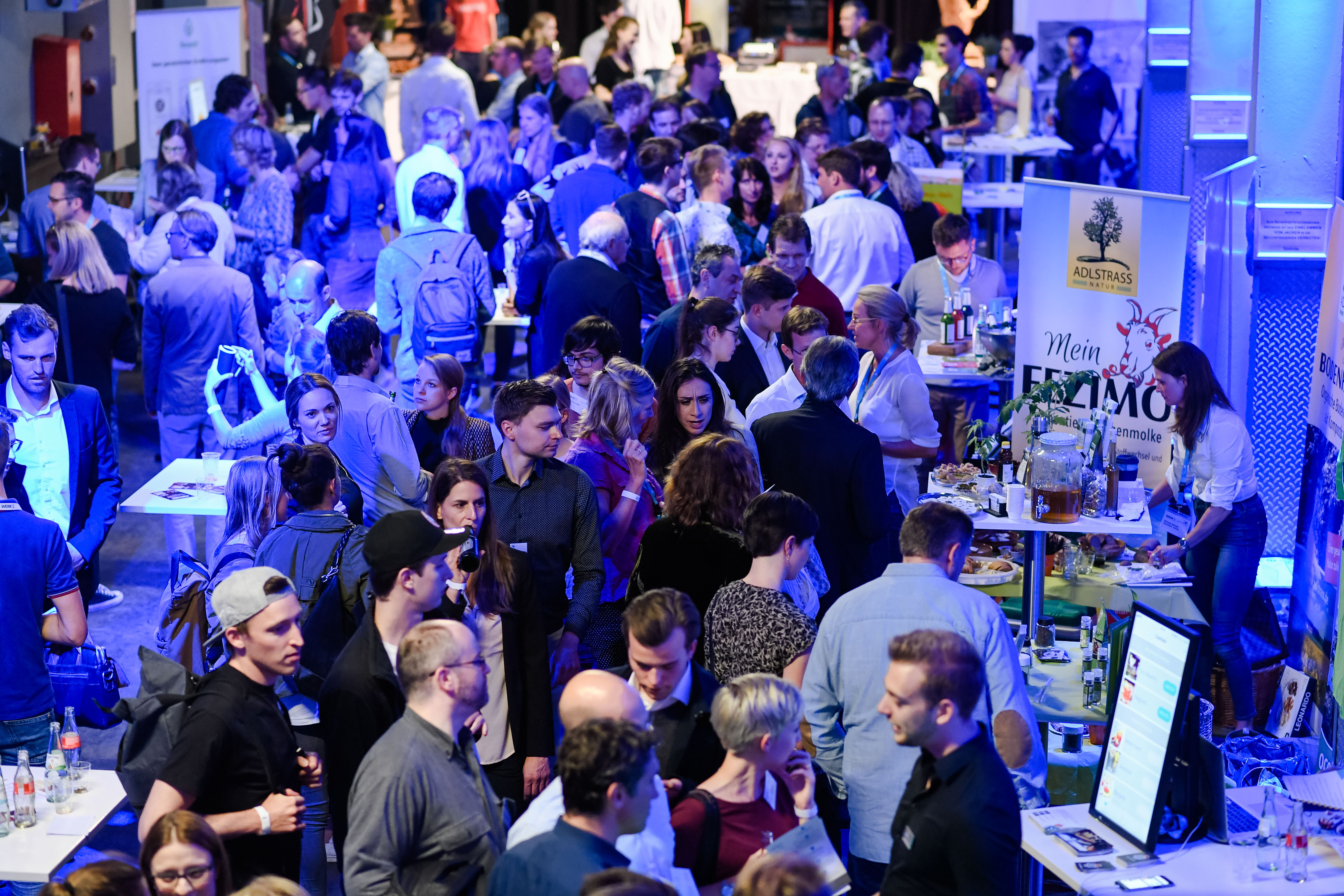
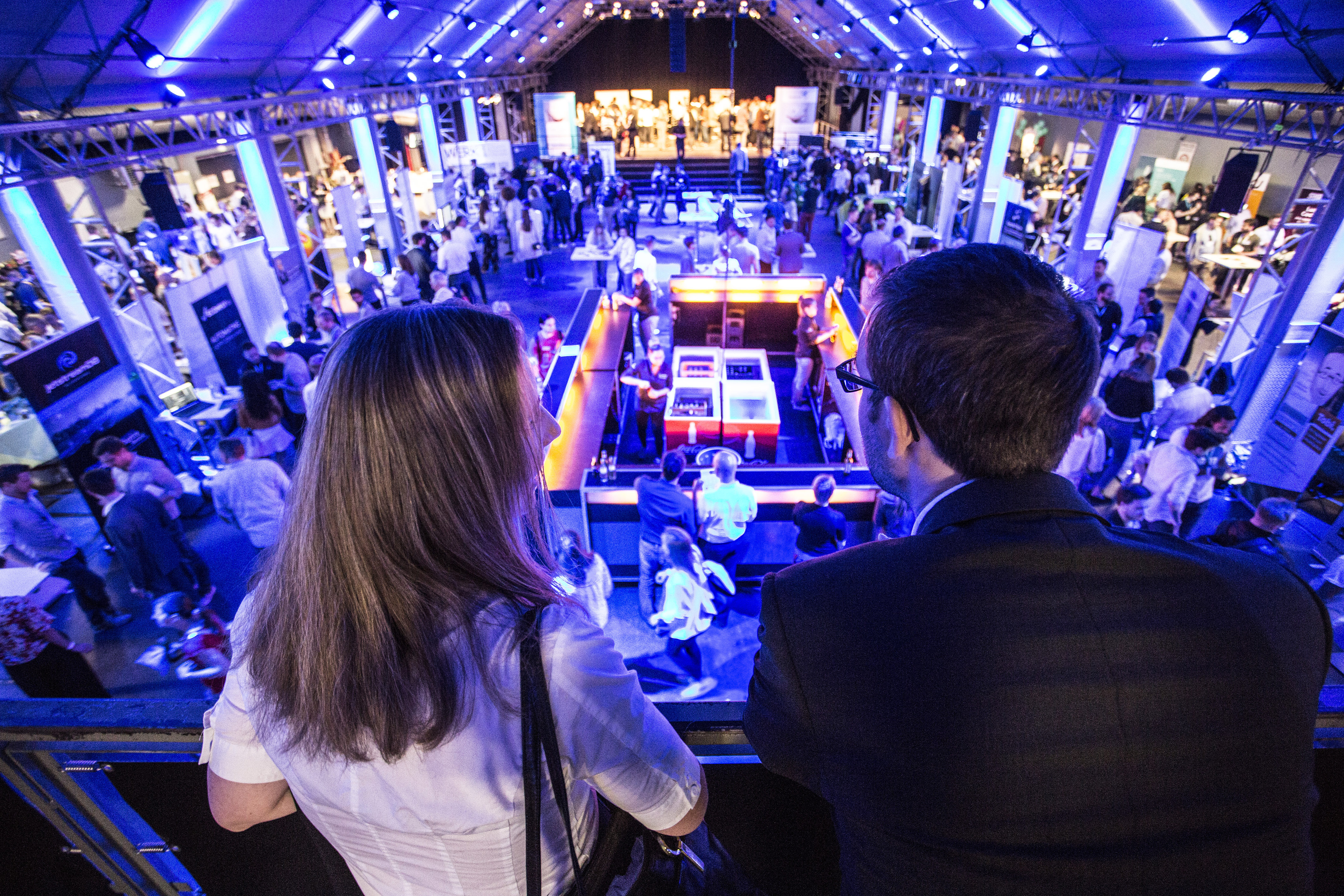
BayStartUP supports founders and young companies in optimizing their strategy, building their business, and finding seed or growth capital. The 11th Munich Startup Demo Night once again attracted hundreds of startup enthusiasts to the TonHalle Munich. Around 70 startups presented their innovations at one of the largest startup events in Bavaria. Visitors were able to test and try out all the products and prototypes for themselves. WERK1 is the event partner of the Munich Startup Demo Night.
“Particularly many B2B business models”
Dr. Carsten Rudolph, Managing Director BayStartUP, says:
"In the Bavarian startup scene, we have a particularly high number of B2B business models compared to other regions. The results of Phase 2 of the Munich Business Plan Competition make this even clearer: Five out of five award-winning startups are on the winners' podium with complex deep tech and hardware topics."
The winners of the Munich Business Plan Competition Phase 2
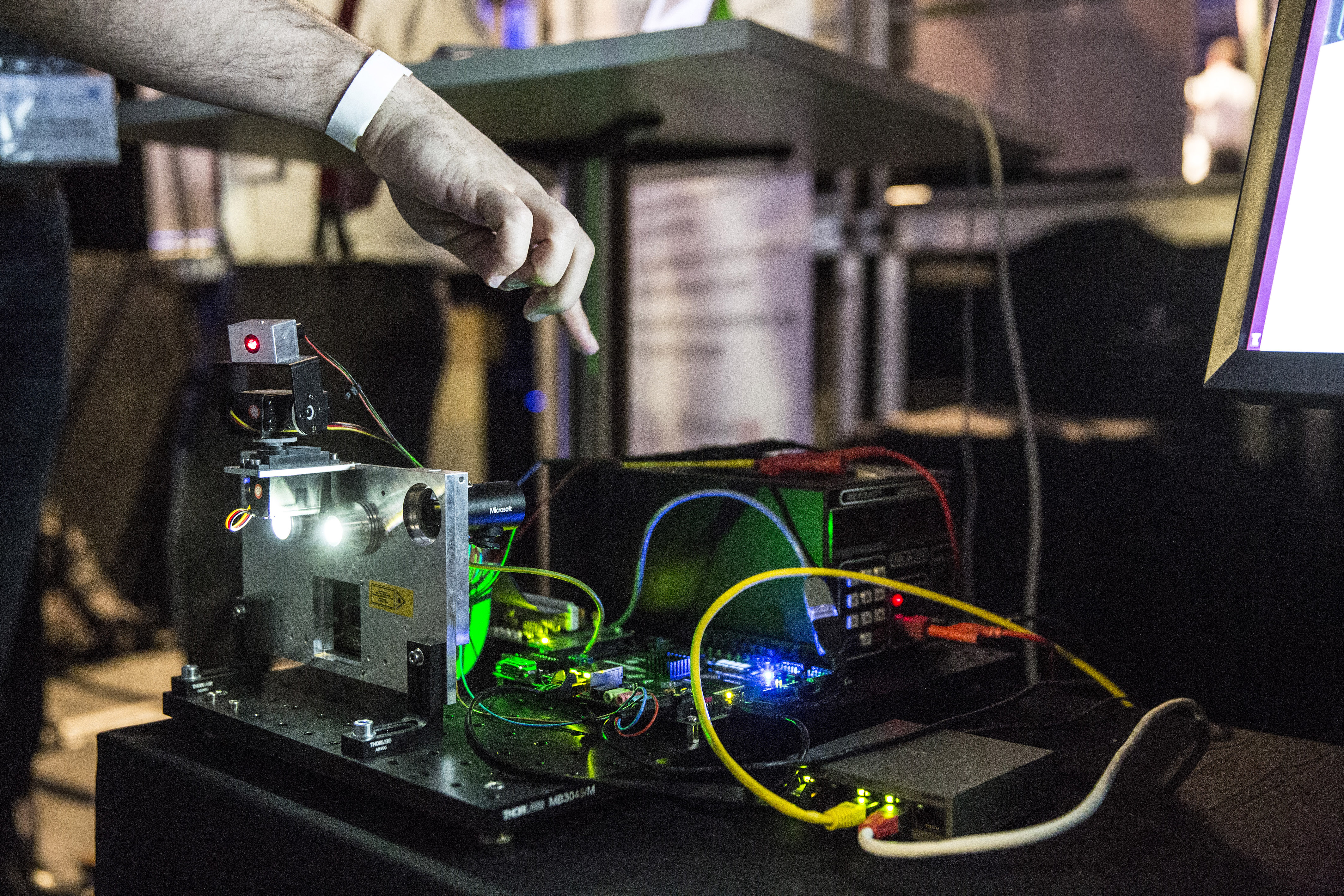
1st place: Plasmion / Sensorics: With its patented SICRIT technology, Plasmion offers an upgrade for laboratory devices. It "transforms" the devices into a kind of electronic nose, opening up entirely new application possibilities. For the first time, laboratories can now directly measure samples by "holding them up" and freely combine them with other analytical devices. SICRIT thus offers the highest degree of analytical freedom while simultaneously increasing sensitivity. The technology enables the fully automated use of such laboratory devices as odor sensors in industrial process control, the security industry (e.g., explosives), and medical diagnostics.
2nd place: ChargeX / Electrical Engineering: The startup develops modular charging solutions for electric cars and a novel charging infrastructure for private and semi-public areas. The core idea is load management that significantly reduces the cost per charging point and the installation effort.
3rd place: Kumovis / Medical Technology: Kumovis develops 3D printers specifically tailored to medical technology requirements. The focus is on processing the high-performance polymer PEEK, which is already established in medical technology and approved for the production of implants. The integration of a unique air duct including filter units enables a clean room environment within the build chamber. Kumovis currently holds three product-related patents.
4th place: KEWAZO / Construction, Logistics: KEWAZO is developing an intelligent transport system for the construction industry, for example, for scaffolding assembly. The robot system offers flexible, cost-effective, and safe transport of scaffolding components. The solution enables customers to save labor costs and cover more projects per year. Furthermore, the solution increases assembly speed and offers enhanced safety, flexibility, and data analysis.
5th place: Volabo / Electrical Engineering: Volabo launches the first 48-V high-performance drive on the market: the Intelligent Stator Cage Drive (ISCAD). It can be manufactured without rare earths, enables a 25% increase in range, and is intrinsically safe. Instead of the complex copper windings previously used in electric motors, the motor's stator consists of aluminum bars. Through individual control—for the first time in electromobility—a virtual transmission can be created. This enables enormous energy savings compared to conventional electric drives.
Photos: BayStartUP