The German Accelerator actually supports promising German startups in their international expansion, sending them to San Francisco, Silicon Valley, New York, Boston, or Singapore. Actually, because the coronavirus crisis is changing a lot here, too. We asked them what exactly, and how the affected startups are dealing with it.
Judith Sterl, Head of Global Marketing & Communications at German Accelerator:
"At German Accelerator, we have completely converted all of our programs to online. Our startups are now preparing for international expansion from Germany, and we will arrange on-site presence and the corresponding intensive networking in Boston, New York, Silicon Valley, or Singapore at a later date. We are also launching our Discovery Tour programs Next Step Asia and Next Step India remotely, and we will conduct the planned ten-day on-site visits as soon as the global situation allows. The content of our various workshops, trainings, and coaching sessions will now be delivered virtually, and the intensive and individualized collaboration with our mentors and coaches for each startup will also take place via digital channels."
She further reports that the constant exchange between the startups and with the German Accelerator teams on site is not neglected. Joint happy hours, intros, and even pitches now take place online.
With expert knowledge against times of crisis
"We've also expanded our offering with special sessions that specifically help our startups prepare for the current crisis, prepare for a recession, and plan for the post-coronavirus era. International expansion planning is also not neglected, in keeping with our mission. And we've just launched a new webinar series, "Pass The Mic," in which we bring together experts and address a wide variety of topics. In this way, we want to provide startups in Germany with expert knowledge, concrete information, and tips, helping them navigate this crisis as best as possible. We offer this webinar series to our current program participants and alumni, but also open it up to other startups and ecosystem partners."
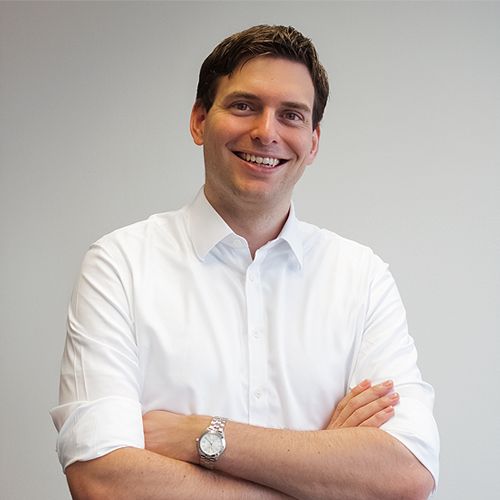
Jens Kirsch, CEO of Terraplasma Medical, from the German Accelerator LifeSciences program in Boston:
"Terraplasma Medical has developed a CE-approved medical device, Plasma Care, for the treatment of acute and chronic wounds. It uses cold plasma to inactivate bacteria, including multi-resistant pathogens, viruses, and fungi, thereby promoting wound healing. In recent days, the extremely promising application of cold plasma for the treatment of COVID-19 has been discussed with virologists, microbiologists, and physicians from anesthesiology, intensive care, and pulmonology. Since cold plasmas have a very broad spectrum of activity against viruses in addition to bacteria (this has been demonstrated for adenoviruses, noroviruses, and influenza viruses, among others), it can be assumed that coronaviruses can also be inactivated. Promising preclinical studies are currently being conducted and will be completed shortly. Thus, the application of cold plasma in the mouth and throat of intubated, ventilated patients could significantly reduce or even eliminate the viral load. This would reduce microaspirations into the bronchial tree and additional virus entry prevented.”
Jens Kirsch further believes that another key aspect is preventing microaspiration of additional, often multidrug-resistant, bacterial pathogens into the lungs, which frequently cause nosocomial pneumonia. This can reduce the risk of a critical secondary superinfection. This could be a key factor in increasing the chance of survival, as it is known that a secondary (nosocomial) bacterial superinfection, for example, in the SARS pandemic, has led to up to 551,452 thousand deaths (source: CDC). According to Kirsch, this is also confirmed by initial publications from China/Wuhan, which showed that 501,452 thousand of the COVID-19 patients who did not survive had a superinfection.
"In addition to treating intubated patients, we are investigating the treatment of patients at an earlier stage of the disease to avoid spread of the virus into the bronchial tree and lungs, thus avoiding intensive care treatment and intubation. The goal is to achieve indicative clinical results in addition to preclinical findings in the coming weeks with universities and hospitals in Munich and Regensburg."
Brigitte Schrätzenstaller-Rauch, Chief Business Development Officer of Reactive Robotics, from the German Accelerator LifeSciences program in Boston:
"Reactive Robotics develops robotic medical technology for critically ill intensive care patients. We are aware of the enormous responsibility we have for patients and clinical staff. This attitude is also reflected in our personal approach to COVID-19. We have closely followed the latest publications in the medical press and have taken proactive measures to protect our employees, our customers, and our business partners. Stay Safe and #StayHome guide us."
She also emphasizes that the team's excellent technical equipment and proficiency with state-of-the-art information technology allowed them to switch to working from home from one day to the next. For the few colleagues who were required to be on-site, a detailed schedule was transparently organized to minimize contact.
“We have agreed that there will be no internal telcos during lunchtime and that breaks are acceptable.”
"In our home office, we ensure regular communication several times a week with video "check-in" meetings, which include personal conversations alongside work-related topics. We've agreed that no internal calls will take place during lunchtime, and breaks are acceptable. We've noticed that everyone is very focused and working hard—the reason: because with our robotic assistance system VEMO, we can contribute to alleviating the tense situation in the intensive care units. We're sticking together and working towards realizing our mission: bringing therapy to the patients! Stay Safe and #StayHome."
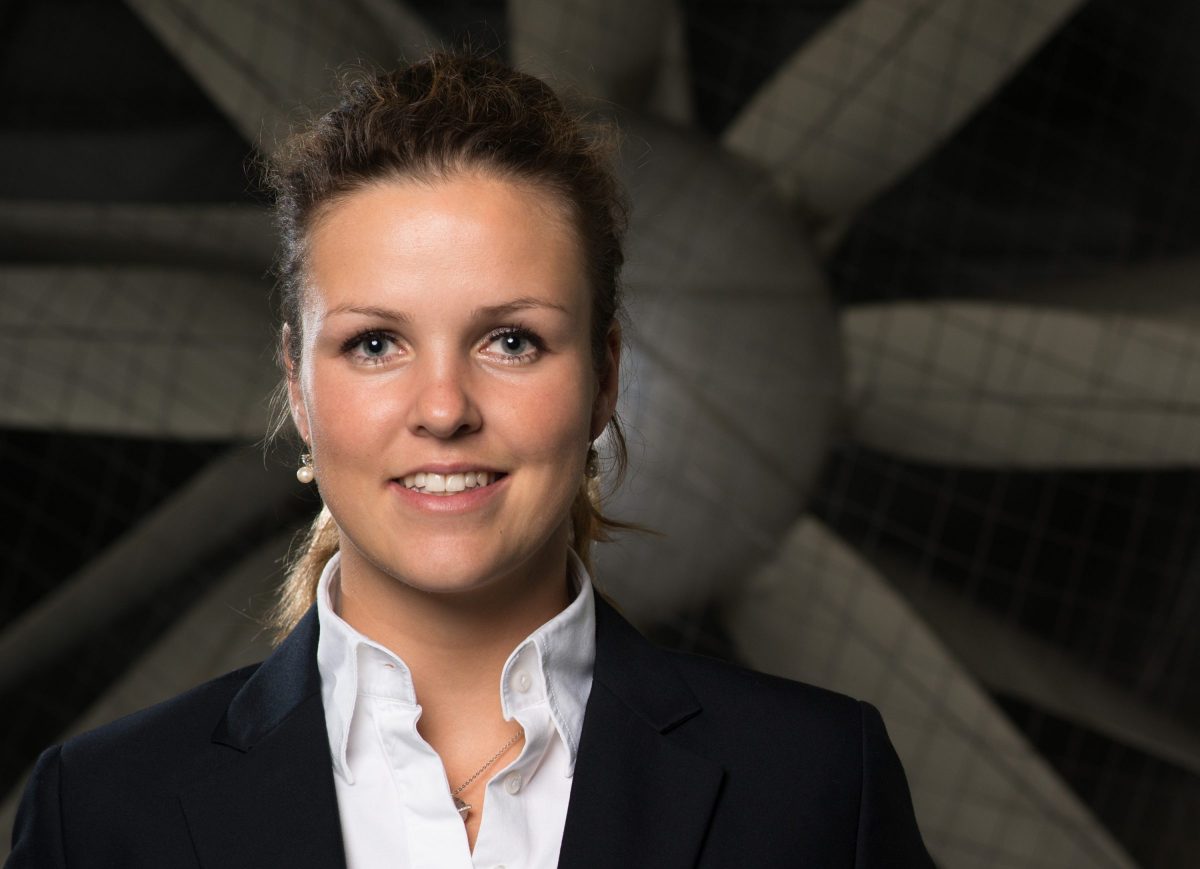
Katharina Kreitz, Co-Founder and CEO of Vectorflow, from the German Accelerator Silicon Valley program:
"Everything is very uncertain. It hasn't affected us yet, and we're only noticing minor effects. However, since all the major companies in the automotive and aviation sectors are our customers and are suffering greatly from the crisis, it could only be a matter of time. As a team, we're very well positioned. Since we manufacture hardware, we only have one to five people in the office/workshop/wind tunnel at a time, and they're never in the same room. We were originally planning to be on-site in San Francisco for the extension of the German Accelerator program in Silicon Valley to further advance our expansion into the US. Since that's not possible at the moment, we're pleased to be able to start working remotely with the German Accelerator mentors!"
Florian Ziesche, Co-Founder and CEO of Deutschdata, from the German Accelerator JumpStart program for early-stage companies in Silicon Valley:
"The coronavirus pandemic is having a major impact on our customers, such as BMW and Rolls Royce Motor Systems, as they are currently no longer producing. We are therefore conducting live demonstrations on a large projector in our office. We are participating in all other events from home. To work as efficiently as possible, Muhammad (Co-Founder and CTO) and I (CEO and Founder) have moved in together. We see the current situation as a major challenge, but also as an opportunity to position our company even more digitally."
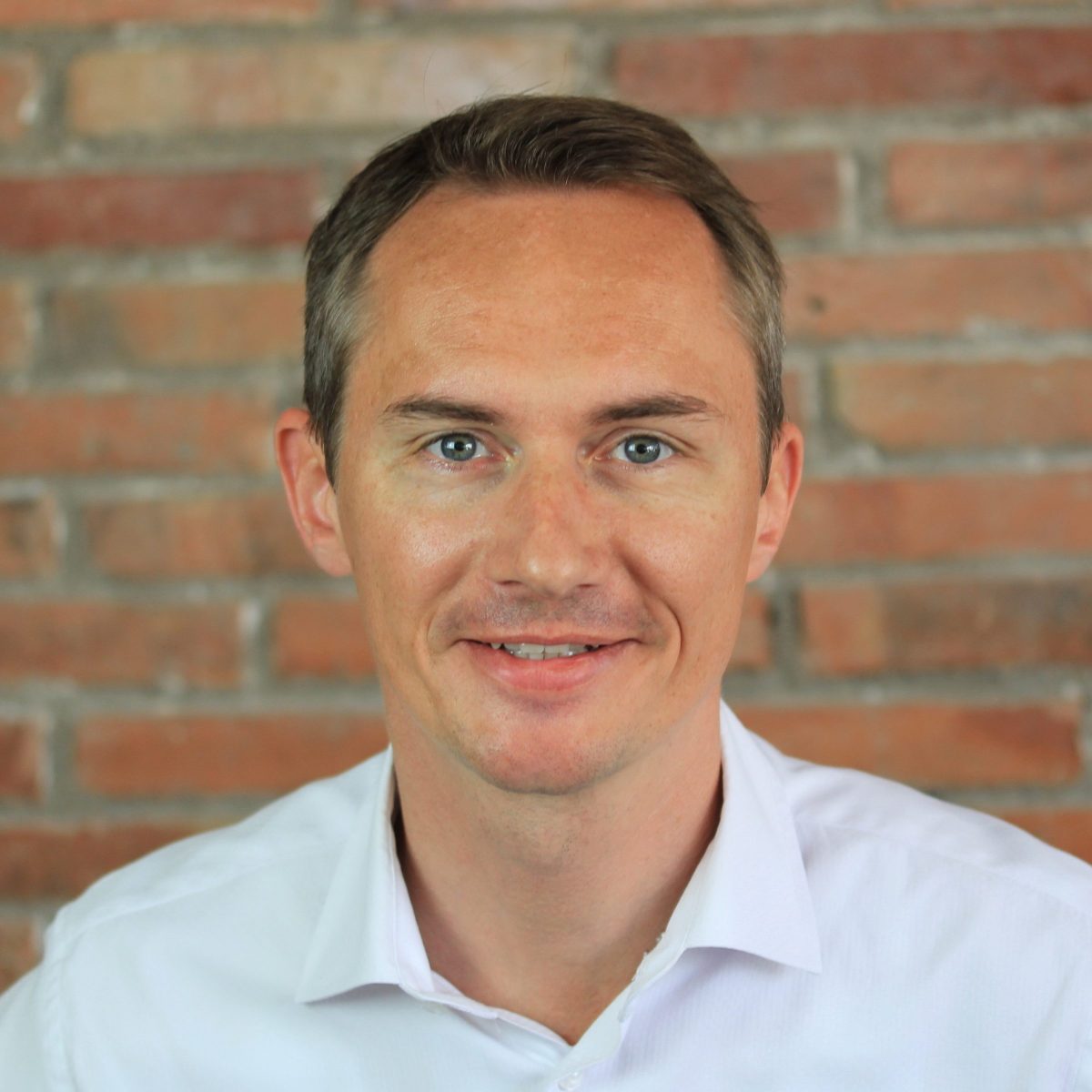
Christian Schläger, Managing Director of Build38, from the German Accelerator Southeast Asia program in Singapore:
"Agile, family-oriented, and global—these are the three strategies we successfully build on. With locations in Singapore, Barcelona, and Munich, as well as customers in China, we were directly affected by the crisis from the very beginning and had to make new decisions every week about what we should and should not do. As a team, we are sticking together and leveraging the flexibility typical of a startup and our high degree of digitalization to protect and support our loved ones at home and our company."
Christian Schläger explains that his team is currently working on an agile two-week schedule, responding to the increased demand for cybersecurity, mobile solutions, and GDPR-compliant apps.
"This crisis shows us: What we do has an impact, a gigantic impact at that, because safe, mobile living and trading is more important than ever! The German Accelerator program in Southeast Asia was a real boost for our current success. Thanks to the intensive mentoring and the team's diverse international experience, we were able to respond to the crisis more quickly and focus our efforts. We don't know what will come next, but we are preparing for difficult times and hoping for good things so that we can then perform better than planned."
Alexander Engelfried, Co-Founder and Chief Business Development Officer of Fairfleet from the German Accelerator Southeast Asia program in Singapore:
"Fairfleet offers an online platform with a decentralized network of professional, local drone pilots. With just a few clicks, customers worldwide can book drone services and access digital data from their projects via the Fairfleet platform within a few days—without having to leave their office. Especially in times when people are shifting to home offices, business travel is impossible, and human inspections can't easily be carried out, Fairfleet helps companies maintain their operations. Critical infrastructure such as solar plants, high-voltage power lines, pipelines, roads, highways, or railways can be recorded on-site by a single pilot and analyzed by Fairfleet. Real estate investors and service providers, insurance companies, and logistics companies also need Fairfleet's decentralized network and analytics capabilities, especially now, to manage their operations from their home offices."