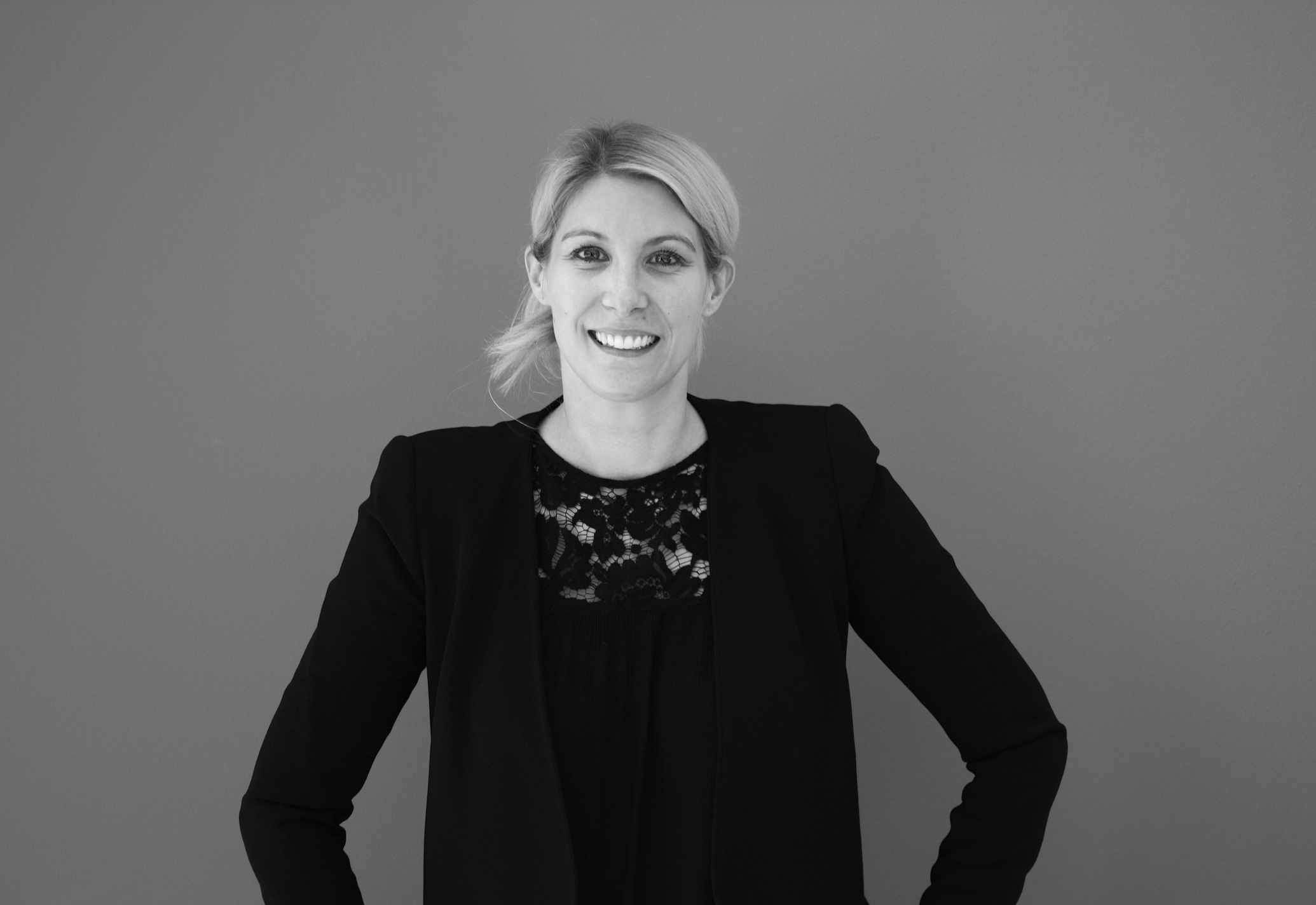
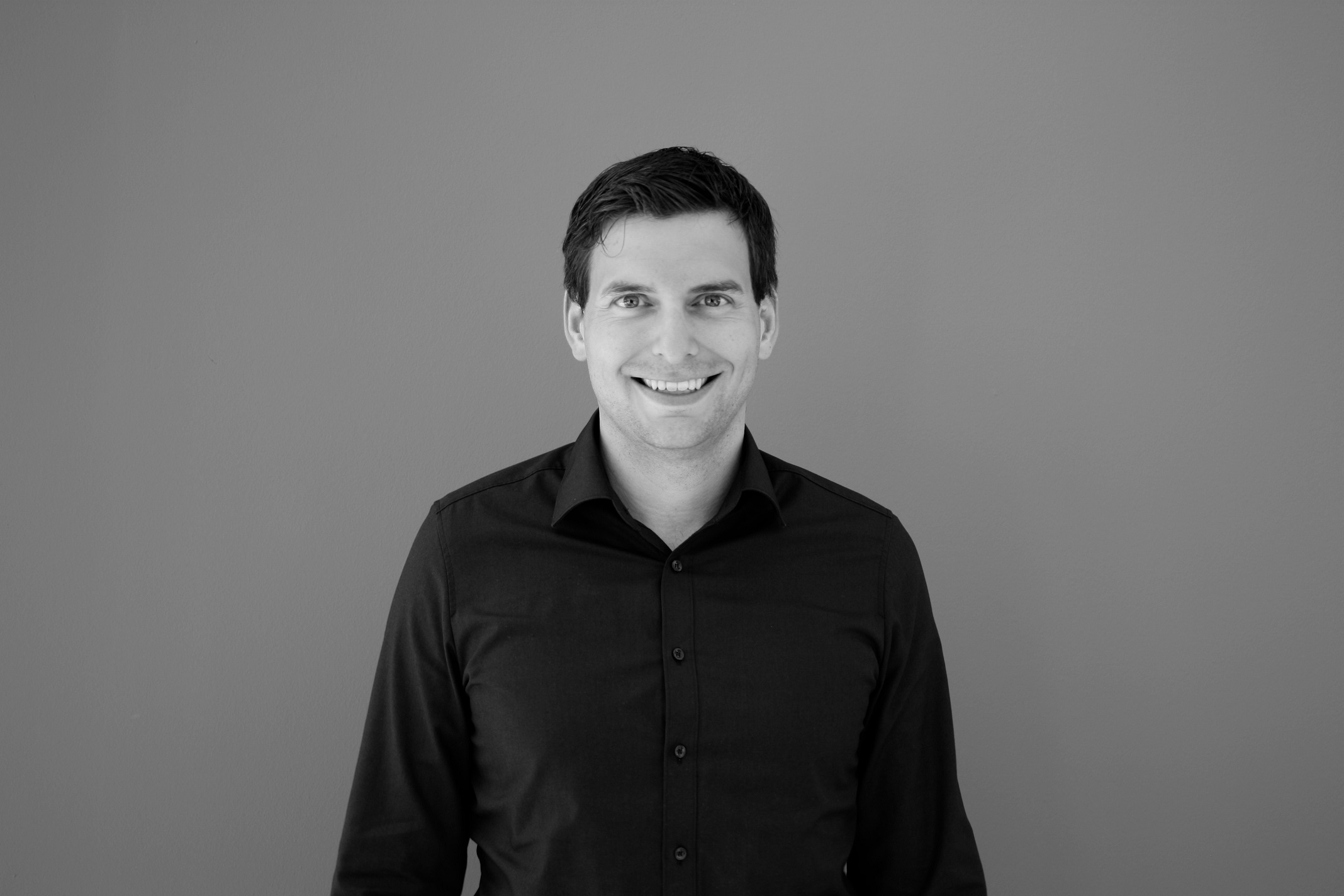
Terraplasma Medical was founded in March 2016. The fact that this foundation was even possible is due to the technology center gate where the two entrepreneurs Julia Zimmermann and Jens Kirsch met at an event.
Both Julia Zimmermann and Jens Kirsch are already experienced founders and entrepreneurs, both have their company headquarters at gate. Julia Zimmermann, who holds a doctorate in physics and a habilitation in medicine, is the managing director of Terraplasma GmbH, a spin-off of the Max Planck Institute, which uses cold plasma to render bacteria, viruses, and fungi inactive and harmless. Founded in 2014, dynamify GmbH develops medical products under the direction of technomathematician Jens Kirsch.
The two entrepreneurs got along well and realized that their two existing business ideas could be a good fit. Jens Kirsch says:
“This has shown how valuable a business incubator is, especially when different skills can be brought together profitably, as is the case with us.”
He adds:
“It all started with the idea of developing an exciting product together and bringing it to market.”
However, in the search for the right financing, it quickly became clear that clear structures were needed. This led to the creation of the startup Terraplasma Medical, founded by Terraplasma GmbH and Dynamify GmbH, in which the founders and managing directors combine their skills.
Wound treatment with cold plasma
The new company's focus is on developing a medical device for treating chronic and acute wounds using cold atmospheric plasma. The 'plasma care' medical device is specifically tailored to the needs of physicians, nursing staff, and patients—it is small, portable, battery-operated, and offers a large treatment area.
The 'plasma care' effectively and safely inactivates bacteria, even multi-resistant germs, without side effects. In the long term, this exciting and promising cold plasma technology will be used in other medical applications.
The global wound treatment market is valued at over nine billion US dollars. In Germany alone, more than four million patients suffer from chronic wounds that often fail to heal for months or even years. Bacteria are often a cause of poor healing—this is where terraplasma medical comes in, reaching out to wound care centers, hospitals, physicians, and care facilities.
Funding and research funding
In its first year of operation, the young company has already achieved a great deal. There are various reasons for this. The founders were able to draw on the resources of both parent companies. Terraplasma Medical was also supported by public funding and research grants. For example, in the summer of 2016, the startup was awarded the ESA BIC Bavaria Incubator In addition to financial support, this provided opportunities to further advance the medical device.
In advancing the business idea, the two managing directors also benefit from their previous start-ups.
"A major advantage of our previous startups was, of course, the network we had already built up. Especially with regard to financing,"
confirms Kirsch.
Milestone Financing
The first major milestone was accordingly the Completion of the financing round last March Several private investors with industry experience jointly provided the company with a mid-seven-figure sum.
“It was important for us to attract experienced investors who are seeking long-term financing to ensure effective operational management of the company,”
adds Kirsch.
“Now, with full focus on development, we have already reached the first milestone in the development of the medical device.”
There are always obstacles, challenges too
However, with the entry into force of the new Medical Device Regulation, a new EU-wide medical device law, the requirements for the approval of a medical device have been significantly tightened. This makes it particularly difficult for startups and SMEs to meet the criteria and obtain approval. Due to the short transition period, many detailed questions have not yet been clarified, and the notified bodies responsible for approval are facing extreme capacity problems.
And, of course, there are other challenges. When asked about mistakes they definitely don't want to repeat, Kirsch answers:
“Giving too much leeway in the contract design in the complex constellation between two companies as founders, an investor group, and a public institution.”
However, the starting position of founding a company from two existing companies is positive in itself:
"Of course, the workload is already very high for us. However, synergies often arise that we can exploit, whether in development or marketing."
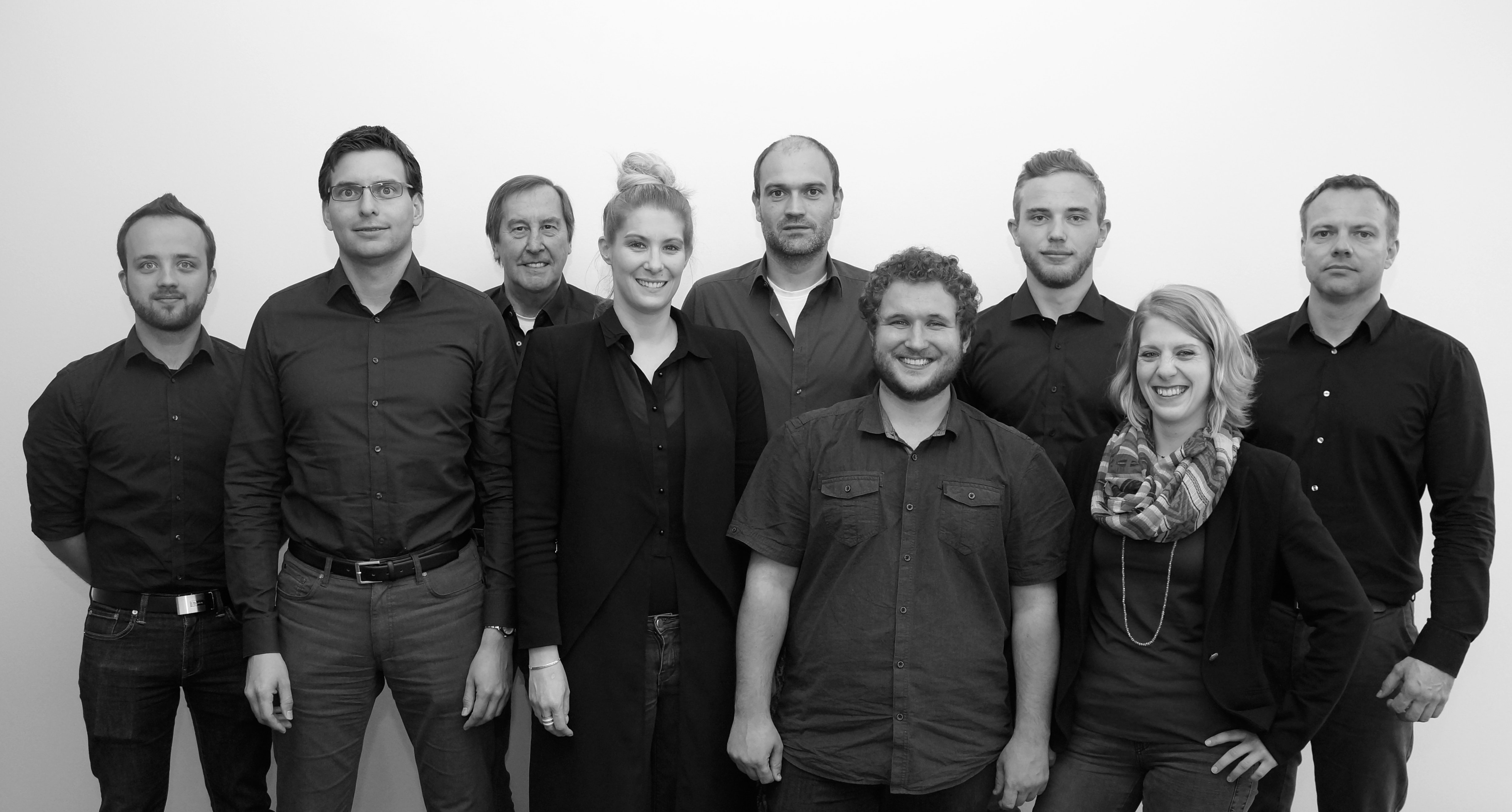
The founders have also learned from their other two companies what can be crucial for sustainable and successful business development. For Kirsch, these are the following points:
“A clear strategy and the necessary flexibility to respond quickly to problems and obstacles.”
And of course, burying your head in the sand doesn't help when problems arise—the two young entrepreneurs have learned that, too. Therefore, Jens Kirsch's advice to other founders is:
“Even in situations that seem very difficult, don’t give up, but look for a solution!”