
What does an accelerator program need to look like to be successful? And why can it be beneficial for startups to bring big names from the industry on board? Questions that Lorenz Hartung, CEO of TechFounders, can provide answers.
1. The current TechFounders batch recently presented itself to over 100 VCs, business angels, and industry partners. Which of the 14 startups' ideas resonated particularly well with the audience?
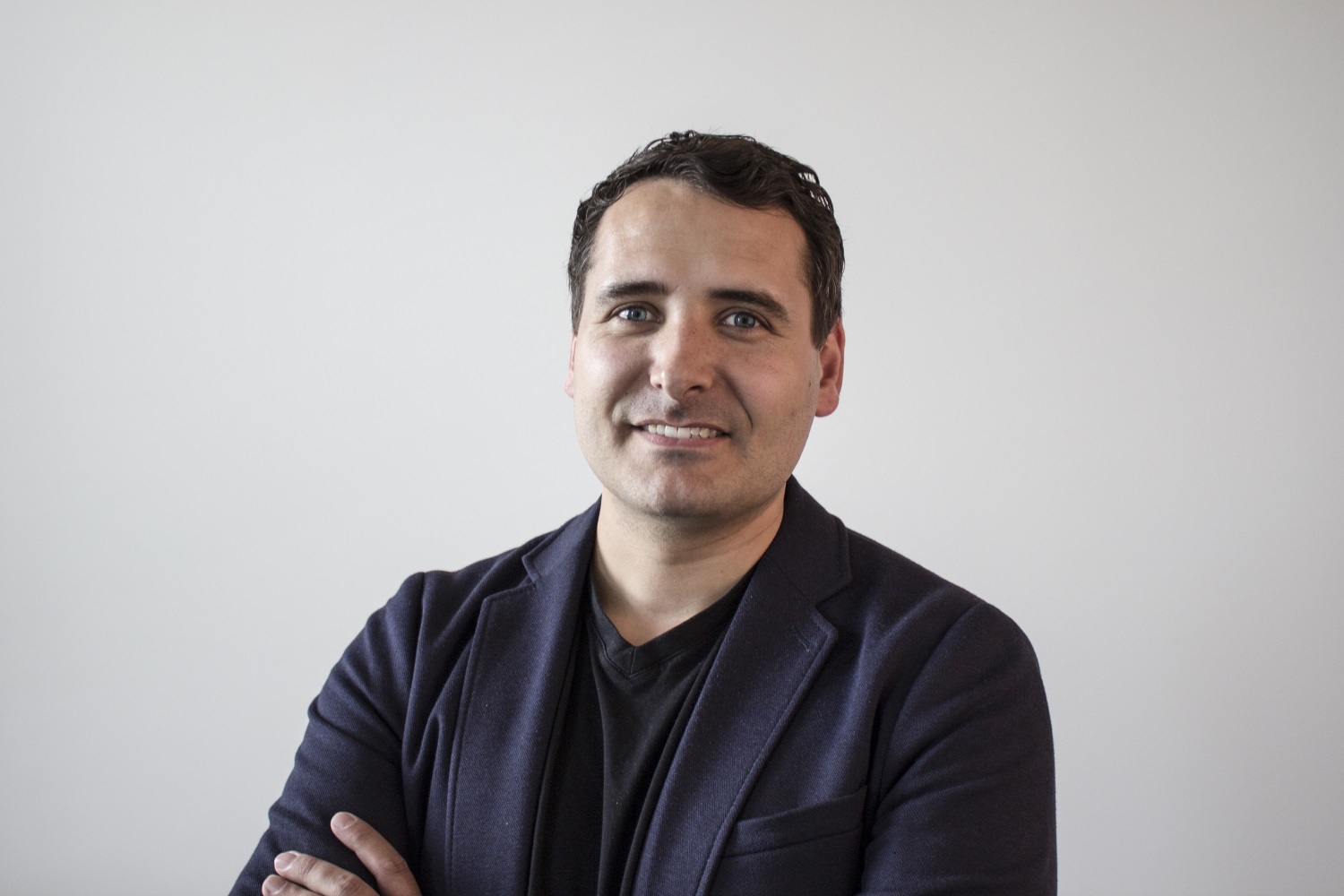
You'd have to ask the audience. We accompanied and intensively coached all of the startups for 20 weeks. You build a strong relationship and are very proud of all your "protégés." It's always breathtaking to see the development our teams make in such a short time.
Strongest growth in the Industrial IoT sector
2. CleanTech, FinTech, Robotics — Which technology areas do you currently find particularly exciting for startups? And why?
In the context of massively advancing digitalization, I see the strongest growth in the Industrial IoT sector. Many processes can still be digitized. So far, only a tiny fraction of machines and sensors are networked and use data in a meaningful way. Blockchain technology hasn't stopped at industry either, and we can expect many new business models here. Of course, this industry is also highly competitive and fierce.
3. TechFounders has major industrial partners on board, including BMW, Bosch, Festo, Linde, and Miele. Why do you think cooperation between startups and corporations makes sense?
The main goal is to initiate a co-development that benefits both sides. Startups are paid for further developing the technology, and the company gains access to the technology before its competitors. It's a win-win situation. Approximately 50 percent of all startups that complete the TechFounders program continue to work with one of our partners afterward, enabling them to finance their growth.
Results through definition of clear use cases
4. Many large companies are now setting up their own accelerator programs, hoping to boost innovation—a calculation that doesn't always work out. What prerequisites must a program meet to be successful and deliver real value for all involved?
It's all about delivering results. This is best achieved by defining clear use cases with startups in which they can demonstrate their technology and then entering into a (development) partnership. A startup can then become a co-development partner or supplier. Setting up a separate program that deals exclusively with the C-level and staff departments often achieves very little beyond marketing and entertainment for the strategy department.
Working with an external partner who runs the accelerator and brings other corporate partners into the program can therefore be quite beneficial. This not only shares costs but also encourages more startups to apply.
Furthermore, even startups that are interesting to another corporate partner can certainly add value to your own company. It's important that the interests of all partners are protected. That's why we at TechFounders make sure not to include competitors as partners in the program.
5. Munich prides itself on being a technology hub. How do you rate Munich as a startup location for technology-oriented startups? What do you consider positive? What do you think is lacking?
After Berlin, Munich has the most startups in Germany. There's a good reason for this: We have excellent universities with a strong focus on technology. Startups can not only find the right employees here, but new startups often emerge from the universities as well.
In addition, Munich Airport serves all major international airports, making it an ideal location for international business. The industry is particularly strong in southern Germany, and startups can collaborate particularly well with the numerous hidden champions. These are often family-run businesses with a long-term, entrepreneurial mindset—an ideal partner for a long-term collaboration.
Nonetheless, the cost of living in Munich is relatively high, which naturally requires more capital. But it does have one advantage: it separates the wheat from the chaff.

