Ashoka is an organization that supports social entrepreneurs worldwide in spreading their ideas. Together with fellows and partners, the organization also aims to improve the framework conditions for social entrepreneurs and social ideas in Germany – from recognition and funding opportunities to systematic cooperation with the public sector.
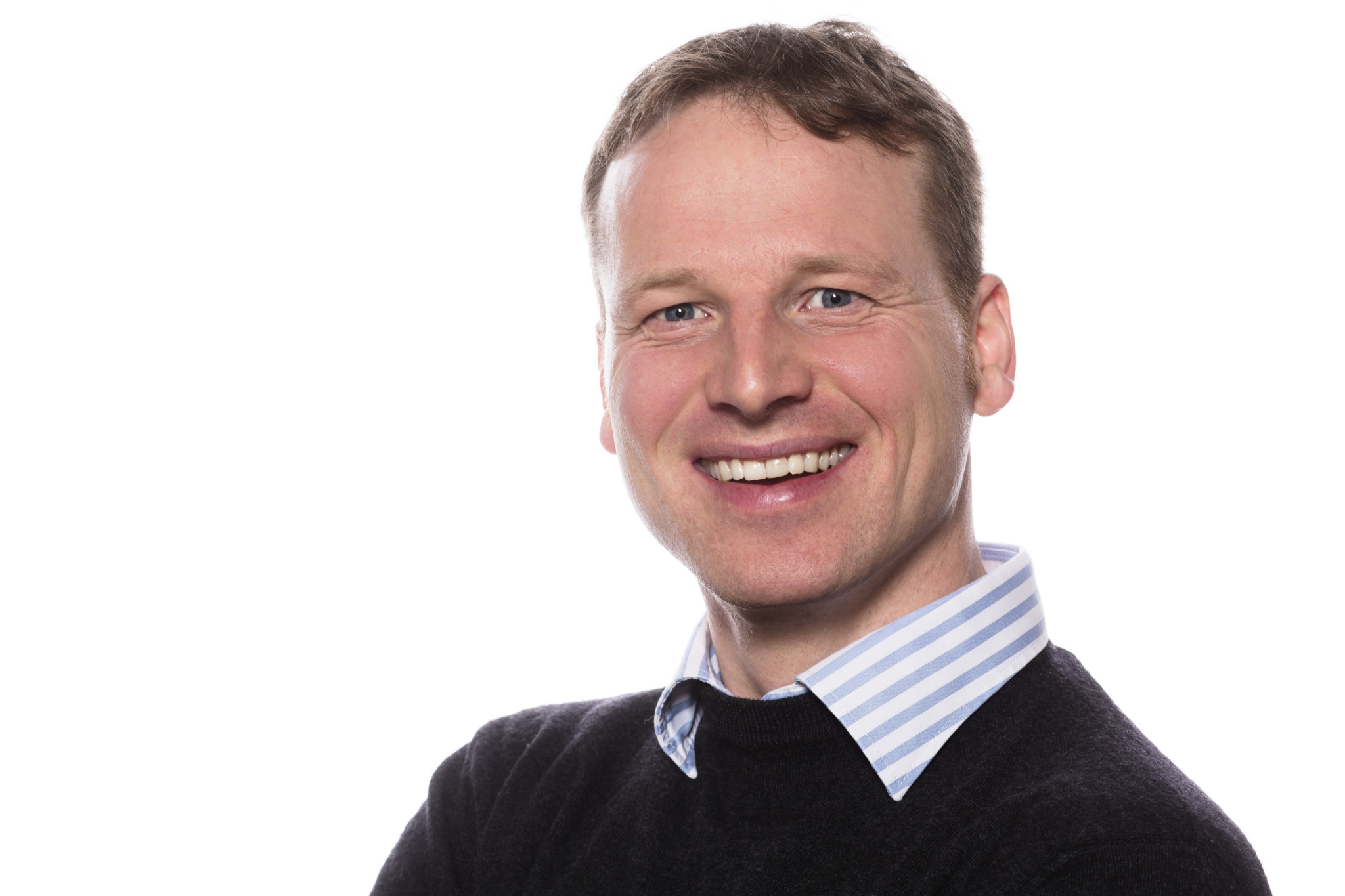
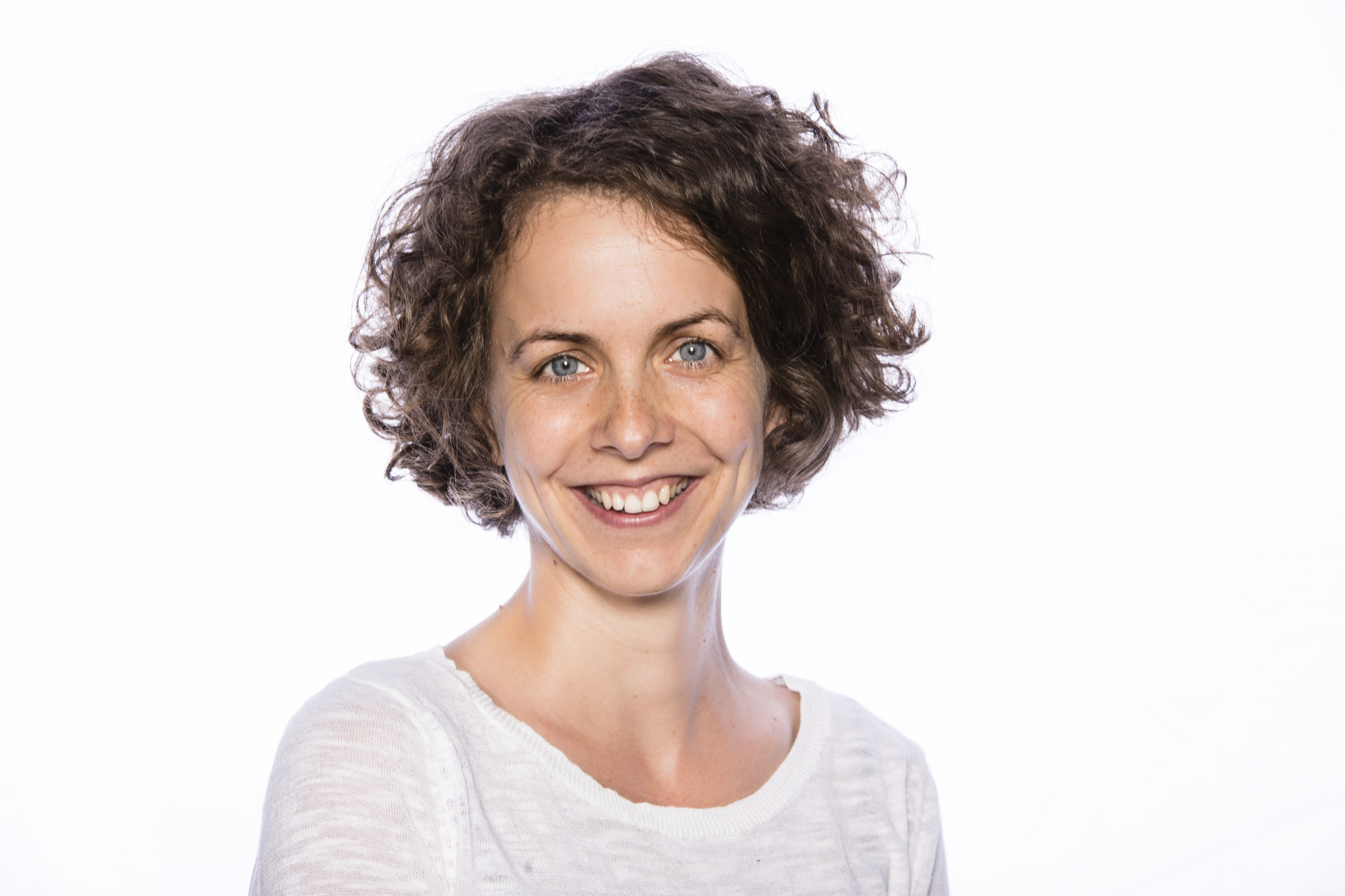
Katharina Hinze, coordinator of the Ashoka selection process, and Rainer Höll, management team, answered our questions.
Improving the framework conditions for social innovation
1. Please introduce yourselves briefly.
Katharina Hinze: Ashoka finds the founders behind new social solutions worldwide and welcomes them into the network as "Ashoka Fellows." We look for ideas that tackle a social problem at its root cause, for people who change our perspective on the issue. One example: Ashoka Fellow Frank Hoffmann trains blind women as tactile examiners for breast cancer screening. In doing so, he not only improves cancer prevention and creates income opportunities for blind people, but also changes our perception of disability—from a deficit to a potential.
Rainer Höll: Ashoka has been active since the early 1980s and has selected over 3,200 Fellows worldwide, like Frank Hoffmann. We've been in Germany since 2003; we have a team of 16 people and are now working with 62 Fellows. However, our work goes beyond the individual development of our Fellows. We aim to improve the framework for social entrepreneurs in Germany.
2. What added value do you offer to the Munich startup scene?
Rainer Höll: First and foremost, we hope that our work on the framework will also benefit Munich's social startups. Regarding individual support, we have several local social entrepreneurs in our network, for example, Michael Stenger, the founder of smart! School, which supports unaccompanied minor refugees into working life.
For young founders, we have our PEP program, which supports Munich startups such as Impact Hub Munich, the educational organization Serlo or the club “Cake Gossip” accompanied.
And every two years, our major social entrepreneur conference takes place in Munich. Our two subsidiaries, Talents4Good and the Financing Agency for Social Entrepreneurship FASE, are based in Munich.
Effectively adjusting the screws for nationwide solutions
3. You are looking for flagship projects in the field of social entrepreneurship. What do you want to achieve with them? And what do you value when selecting them?
Katharina Hinze: The key criterion for selecting an Ashoka Fellow is the "new idea." We want to support those who have found an effective solution that no one else has touched before. We want to provide them with support and professional guidance to enable them to continue developing this solution and spread their solutions throughout Germany. At the same time, we also want to demonstrate role models for how to work intelligently for the common good.

Rainer Höll: The important thing about a new idea is that it changes a system. This could be, for example, an idea like Frank Hoffmann's, which changes our perception of disability. Or an idea that unlocks entirely new resources. A current example of this is Ashoka Fellow Inge Missmahl, who trains refugees as psychosocial counselors for other refugees. The demand for counseling is high, and those affected who come from the same cultural and linguistic background can make a meaningful contribution.
Financing? Impact orientation as a decisive argument
4. To be successful, a social enterprise must…
… know exactly its effect (says Katharina Hinze)What change do I want to achieve in my target audience? How can I measure my success beyond the number of people I reach? Is what I'm doing really leading to the change I'm striving for? Here, I need to self-critically examine my activities and adapt accordingly. Trial and error are part of it.
Rainer Höll: This clear focus on impact is also a decisive argument for many funders. A very useful tool for documenting one's own impact is the Social Reporting Standard. Information about this is freely available online.
6. Ashoka is internationally positioned: Is there anything that makes the German social entrepreneurship scene different – and better – than others?
Rainer Höll: The German community has particularly well understood that success is often only possible through cooperation with the larger existing systems: with the established welfare system, health insurance funds, municipalities, and ministries. In this country, there is usually no need to develop separate private alternatives for education or healthcare. This is different in emerging and developing countries, for example.
What social founders lack – and how Ashoka responded
7. Ashoka has had two spin-offs: Fase and talents4good. How did the idea come about, and what was the purpose of the spin-off?
Rainer Höll: As Katharina already mentioned, we also want to improve the framework conditions for social innovation with our work. As a basis for this, we conducted a 2011 study analyzing the hurdles facing social entrepreneurs in Germany.
What many social entrepreneurs lack are suitable financing instruments and often the right personnel, especially at the management level. In response, we, together with our supporters, have spun off the financing agency FASE and the recruitment agency Talents4Good from Ashoka. Here, social entrepreneurs can now find advice on repayable financing and support in recruiting.
8. Last but not least: On what occasions do people get to talk to you?
Katharina Hinze: We travel a lot in Germany, for example at large conferences such as the Vision Summit, where social entrepreneurs network. If you subscribe to our newsletter or follow us on Facebook Follow us to stay up-to-date on current events in the social entrepreneurship scene. If anyone is interested in partnering with us, we'd be happy to drop by ourselves.
Editor's note: We conducted an interview with VerbaVoice, one of the Munich Ashoka Fellows. Here for further reading.