
The Social Entrepreneurship Akademie (SEA) was founded in 2010 as a network organization of the entrepreneurship centers of the four Munich universities and has since supported hundreds of people in developing or further developing their own social entrepreneurial idea.

Social Entrepreneurship Akademie provides targeted coaching support to social entrepreneurs to help them address their individual challenges, such as business model or organizational development, financing, or growth issues. Startups like nearbybees The Social Entrepreneurship Akademie also supported initiatives like 'bunt kickt gut'. Together with partners, there are also programs such as the Global Entrepreneurship Summer School with the SAP Foundation and the new accelerator F>>Lane with the Vodafone Institute and Impact Hub Berlin.
Kristina Notz, team spokesperson and network manager of Social Entrepreneurship Akademie, took the time to answer our questions.
The Social Entrepreneurship Akademie offers Education for Societal Change
Please introduce yourselves briefly.
We at Social Entrepreneurship Akademie offer under the motto “Education for Social Change” offers various qualification programs for motivated young people who want to make a difference. These range from the two-day introductory workshop ZGI:kompakt to an international Global Entrepreneurship Summer School and a year-long program for students and professionals. Nearly 30 highly motivated individuals have just begun their sixth year of the "Social Innovations" certificate program.
We offer training for anyone who wants to develop an idea, wants to found a social startup, or has already founded one. For those who can't make it to Munich, we recommend our online course "Enabling Entrepreneurs to Shape A Better World."
Act like a startup
We also operate like a startup ourselves, as we finance ourselves 100%. Our team currently consists of seven people, many of whom have previously founded their own companies. As a network organization of Munich's major universities, we have our offices directly there, but spread across the city: in the LMU Entrepreneurship Center, in the Strascheg Center for Entrepreneurship and at the UnternehmerTUM.
What do you focus on when working with startups?
We're open-minded about the topics we cover and typically support startups for between three and nine months. It's important to us that they work as a team and have a clear focus on the impact of their work. Furthermore, they shouldn't forget that they also need to be financially viable in order to be able to expand their impact in the long term.
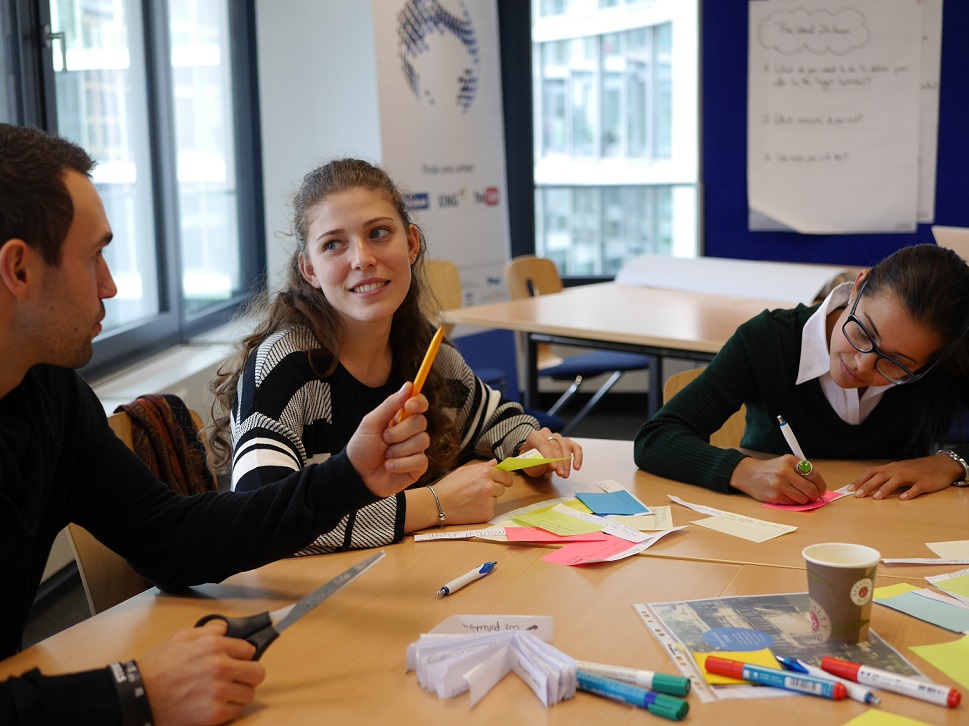
Visions that can change the world
To be successful, a startup must…
… have a big vision that has the potential to change the world and people who are motivated to make it happen.
Why does a good startup need a business incubator behind it?
Of course, the network to which a business incubator provides access is important. Whether it's contacts with investors, inspiring personalities, or other startups, the Social Entrepreneurship Akademie offers founders a diverse network, regionally, nationally, and internationally.
Peer learning and the exchange with other startups in a dynamic working environment also represent great added value. Last but not least, the infrastructure provided by the incubator offers founders a good basis for their work.
What is the biggest mistake a startup can make?
Not wanting to talk about your idea (especially when networking).
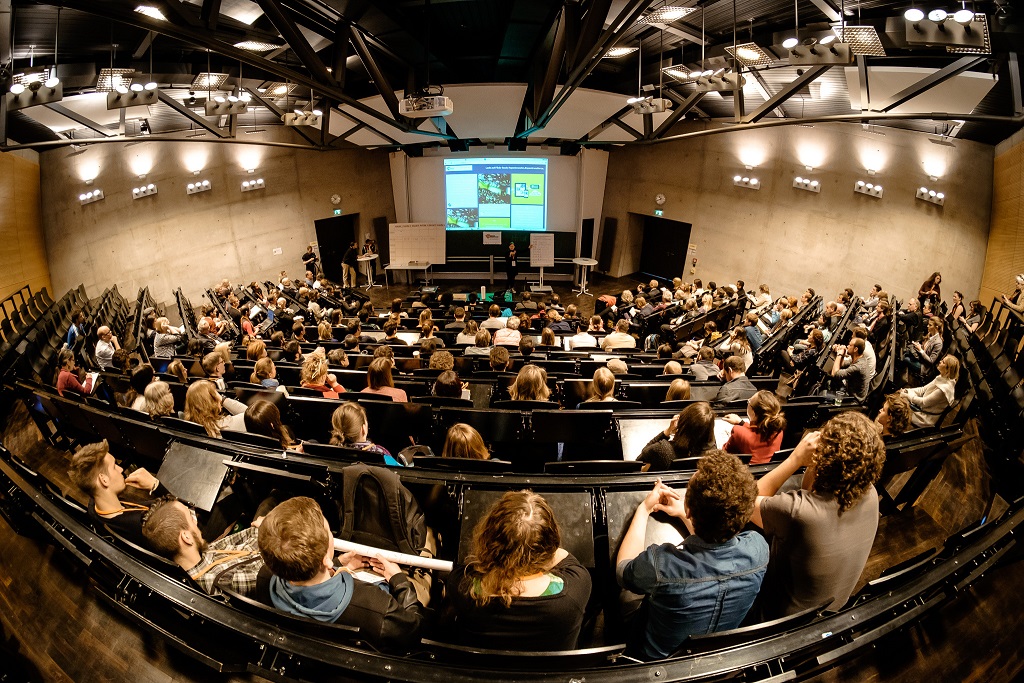
The trend of the year is…
…unsurprisingly, the topic of integration and migration is a hot topic among newly founded social startups.
What characteristics make the Munich startup scene so special?
Munich's entrepreneurship ecosystem is extremely diverse. It offers everything a founder could need in terms of support: incubators, educational opportunities, spaces, financiers, large companies and banks interested in entrepreneurship, potential employees, experts in every conceivable field, important conferences, events, and much more...
Last but not least: Who do startups approach when they want to talk to you?
- Network: Kristina Notz
- Start-up advice: Anne Doerner
Photo credits: Photo of the Open Transfer Camp: Andi Weiland – OpenTransfer (CC-BY-NC). Additional photos: Social Entrepreneurship Akademie

