She asks herself many questions. Why women are so poorly connected in the business world, for example. Or why only men are represented at the most important conferences. This gives Angela Kesselring, the managing director of SZ Publishing, the idea of developing a business magazine for women: SZ PLAN W – Women Change Business. In an interview with Media Network Bavaria Kesselring explains how a magazine can become a movement and why Angela Merkel did her a favor. The next issue of SZ PLAN W will be published on June 4, 2016.
Ms. Kesselring, PLAN W tells stories of successful women who take unusual paths. How did you come to the SZ?
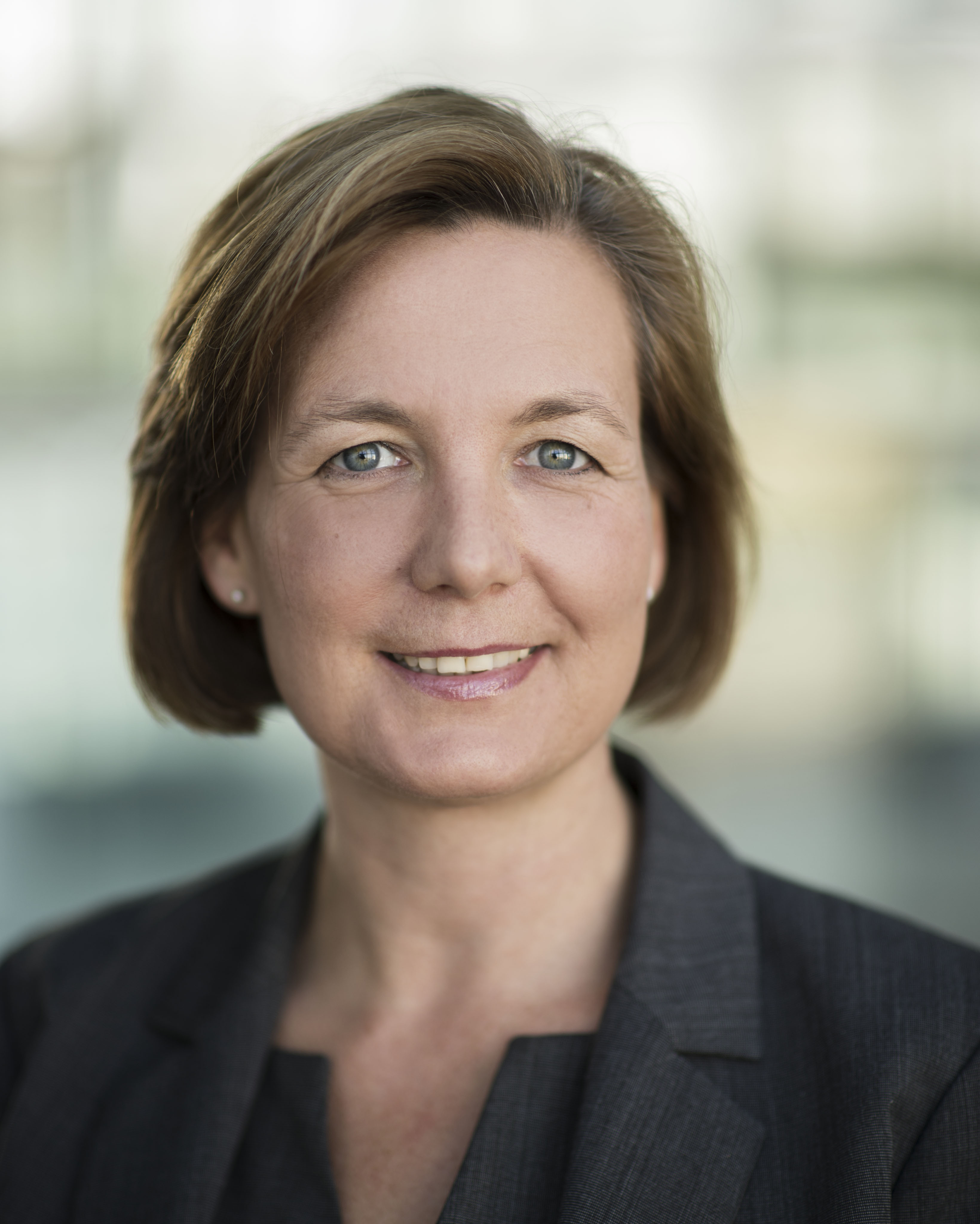
Angela Kesselring: The truth is: through pregnancy. I was the press officer at a medium-sized illustrated book publisher, and for years I loved working hard and loved it. Then I got pregnant and the publishers said to me: Good for you, good for Germany, but you have to give up your management position now. I couldn't believe it! At a small dinner with the then editor-in-chief of the SZ magazine, Dominik Wichmann, I did something you're not supposed to do - bother a journalist with personal annoyances. I complained quite a bit because, despite years of building up networks and gaining experience, I was simply pushed into the background. Just because I couldn't be at work for a few months. To my great surprise, my angry speech was followed by an invitation to an interview.
So you were angry and pregnant. That alone wouldn't have been enough to hire you, right?
Kesselring: No, he appreciated my creative approach to marketing content. I never had a large budget, but I did have good ideas and strong partners like Gruner & Jahr, the Goethe-Institut, and the Süddeutsche Zeitung. I met with Wichmann twice a year for business purposes to get him excited about my publishing company's content—and thus get the books featured in the Süddeutsche Zeitung magazine. When our daughter, Ricarda, was four months old, I started developing my first ideas at home and occasionally went to the editorial office. Wichmann was a great boss. He created conditions that allowed me to work with a baby—and assigned me two interns to help with operations.
How did you come up with the idea for PLAN W?
Kesselring: Alexandra Borchardt, the SZ's editor-in-chief, was standing next to me during the lunch break at the SZ Economic Summit, which takes place once a year in Berlin – and we were surprised that we saw almost only men. This did not correspond with our experiences, as we personally know a lot of women in leading positions: they are partners in law firms, run medium-sized companies, or are almost at the top of DAX-listed corporations. They were just not at this conference. I was determined to change that. Because the images you project as a newspaper influence readers. And when the most important economic summit in Germany is over 90 percent in the hands of men, that's not exactly appealing to women. In conversation with the business editors, it quickly became clear that something had to change. I wanted to make women more visible.
You also describe PLAN W as a kind of movement. How can a magazine become a movement?
Kesselring: It's about encouraging women to embark on the adventure of business – with great stories about the biographies of women from all over the world. We want to inspire readers to take action themselves. We want to create a feeling: We can do this together. PLAN W is currently the only magazine in Germany that brings women and business together. We also organize networking events. You don't just make a career because you're particularly good or hardworking – those are basic requirements – you also need a powerful network – and that's what we're currently building.
Why are women so poorly connected?
Kesselring: If only I knew... I've always wondered what this glass ceiling is all about. I've never felt disadvantaged and always wondered why others don't get ahead. I have a mother who was a confident entrepreneur, and I grew up with the feeling that women can achieve the same things as men. But I have to want to, and I have to have the confidence to do it. Women are very unkind to themselves. We are our own worst stumbling blocks. We don't confidently look at our strengths, but constantly focus on our mistakes.
Are the women themselves to blame?
Kesselring: No, not guilt. It's a lack of self-assurance. These are traditional behaviors – and changing behavior is difficult. Watch films, read books: it's always the prince you're supposed to marry, and then life will be good. I think it's good to have a prince. But it's really great when I don't have to constantly ask the prince if I can buy myself a pair of shoes. Those are incredibly powerful, old images. We have them in our heads as long as we don't counter them with new ones.
And these new images can now be found in PLAN W?
Kesselring: Exactly. That's why the magazine has grown so dear to my heart, and I like it better with each issue because it traces the unusual paths of women who have one thing in common: They have taken their lives into their own hands and shaped them according to their own ideas. PLAN W takes away the pressure to be perfect. When you read other women's magazines, you often get the feeling that you have to optimize yourself. PLAN W readers should rather try something new and sometimes say: Damn, it didn't work, let's just go somewhere else. It's about presenting new images and saying: It works.
What is the typical PLAN W reader like?
Kesselring: When I looked at reader research data, I discovered something interesting: SZ subscribers are almost four times more interested in economic topics than the average reader. This is also true for investments, stocks, politics, science, and architecture. I found this very encouraging because it showed that my idea for a new magazine was right. We have a very precise picture of the reader for whom we create PLAN W: well-educated, ambitious, open to new things, and eager to learn. Age doesn't play a major role. We appeal to women who want to make a difference—this applies equally to 20- and 60-year-olds.
Here you can find the full interview with Angela Kesselring.