The Munich-based startup Reflekt enables companies to independently develop augmented and mixed reality applications without any programming knowledge. The company has been operating successfully since 2012 and now has around 60 employees worldwide. further positions are advertisedCustomers from a wide range of industries use Reflekt. The industry is booming, with a forecast growth rate of almost 60% by 2026. We spoke with Wolfgang Stelzle, CEO and founder of the young company.
What solution do you provide?
Our ecosystem is divided into two areas: a platform for creating augmented reality (AR) content and a remote expert tool that connects employees with an expert for direct AR support with a single click.
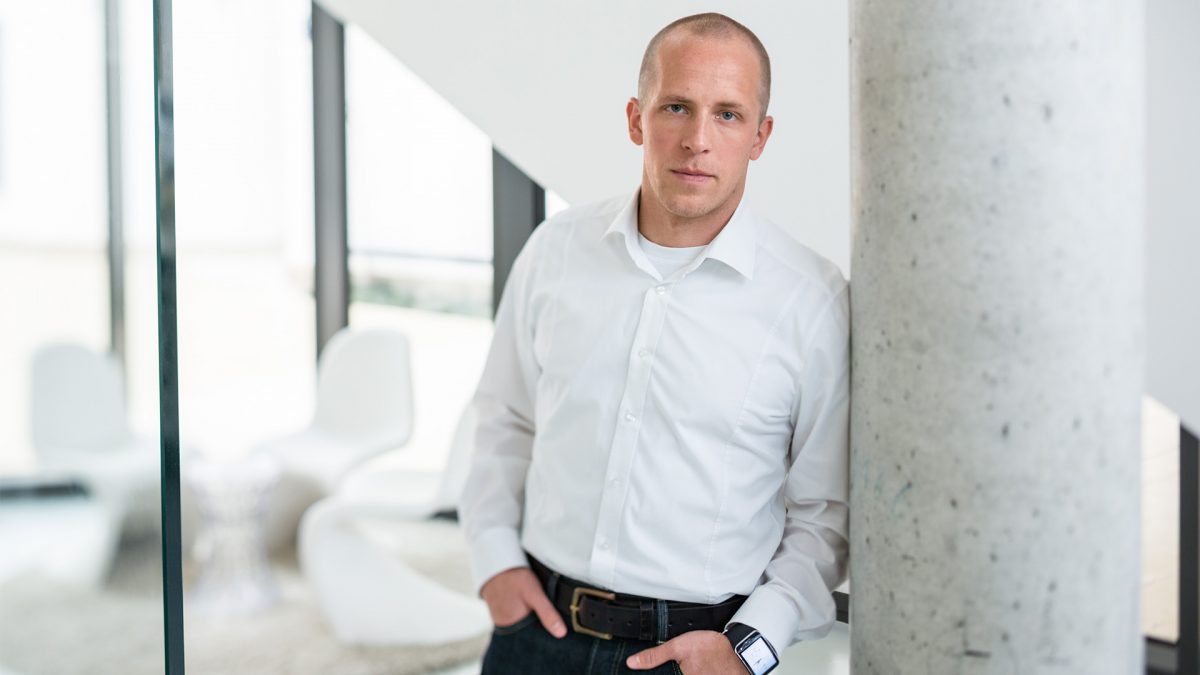
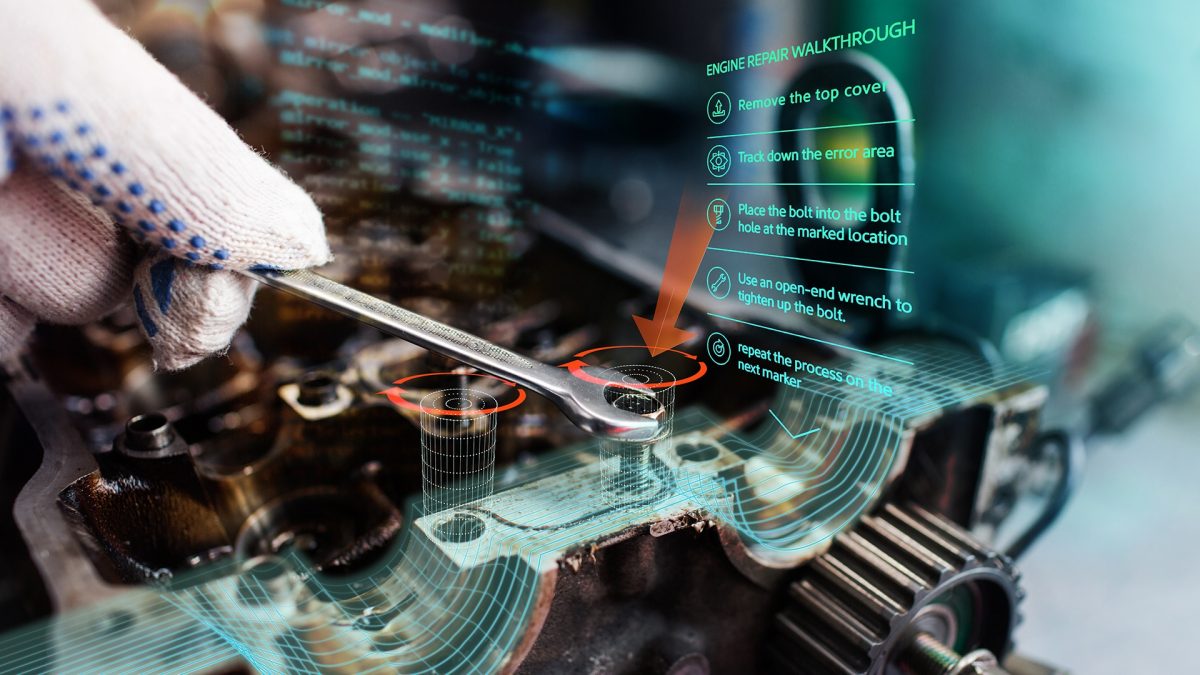
In production, assembly, and maintenance, the use of AR with the Reflekt ecosystem leads to faster work and fewer errors. Visual step-by-step instructions are used, instructions are displayed directly in the worker's field of vision, and target/actual comparisons are projected onto various components of an object.
In the training area, we focus on how to convey learning content visually and interactively. Our goal is to impart knowledge sustainably and prevent employees from forgetting the learning content immediately after the training.
Putting everything on one card
What was the most important milestone since the company was founded? And who or what pushed you along the way?
It is difficult to name the single most important milestone since the company's founding, as there have been many important milestones in various phases. The investment rounds with Bosch, BASF, and Prosegur are certainly among them (Editor's note: here is the information on the Financing rounds 2015 or the 5.7 million heavy Series A round 2018).
What certainly had the greatest impact on us as founders was a management buyout in 2015. At that time, we put everything on the line to buy back a large portion of the company shares that we had sold a few years earlier to avoid bankruptcy.
There were certainly stumbling blocks on the road to success. Which mistake did you learn the most from?
We've made many mistakes in the past, and we probably couldn't have avoided all of them. After all, decisions are almost always made with risk.
However, if I were founding a startup for the first time, I would try to get an experienced mentor on board as quickly as possible. A founder can achieve this through accelerator programs, conferences, meetups, etc., even without an existing network!
What is your ultimate tip for founders?
I think every startup brings its own challenges. However, many developments follow patterns that can be learned. To do this, it's important to surround yourself with people who are more experienced than you. And never stop learning!
But above all, it is important to never give up and to always get back up after setbacks.
“A good idea with a brilliant team”
In your opinion, what is the decisive factor for successful company development?
The team — a brilliant idea with a good team can never be as successful as a good idea with a brilliant team.
You were founded in 2012. Do you still see yourselves as a startup?
I think so, yes. Although we were founded in 2012, we were primarily active in the project business at the time. We only started product development for scalable licensing business after Bosch joined us.
In addition, we still place much greater emphasis on corporate structure and culture. We have short decision-making processes, and every employee has the opportunity to take initiatives on their own. This enables us to quickly implement ideas and initiatives and prepares us for unforeseen events.
In addition to Munich and Düsseldorf, you also have a location in San Francisco. How do you feel about the startup climate in Germany? And what do you see as the advantages of a location in the Bay Area, and what are the advantages of Munich?
Interesting question, especially since, as chair of a federal startup working group in the German Economic Council, I'm also committed to the startup ecosystem in Germany. Industry and small and medium-sized businesses are the backbone of Germany. We are internationally envied for this, and this holds great potential for startups.
Munich, in particular, is a paradise for B2B startups. However, the US, and especially the Bay Area, are many years ahead of us in many respects. This includes, above all, the sheer volume of capital and structures that promote innovation. For example, it's still virtually impossible in Germany to involve employees in the company. In the early stages of a startup, this is only possible virtually, which brings with it many disadvantages here.
Where do you think the current AR, VR and mixed reality trends are heading?
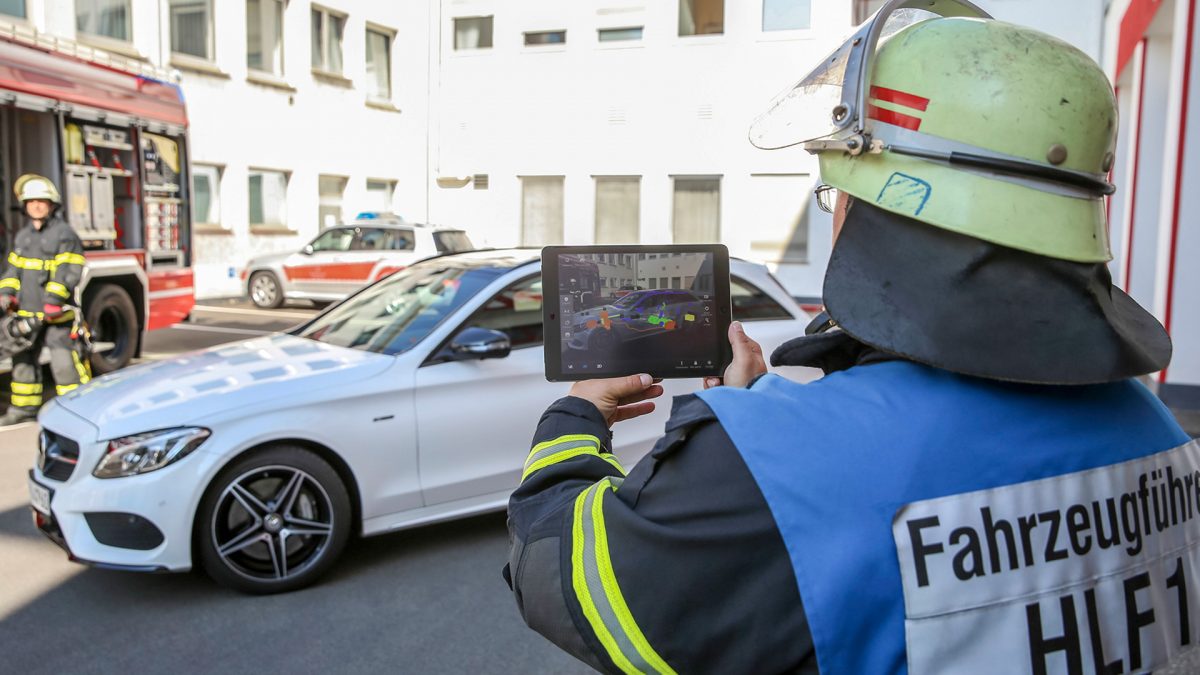
A key keyword here is the ecosystem. While we now see many AR offerings on the market, both in terms of hardware and software, and new ones are added every year, there is still little interconnection between the different solutions. However, companies are increasingly being asked to combine various programs and software solutions into a single app that can be integrated into existing corporate infrastructures.
Agility, speed and the urge for innovation
How does your company become the next unicorn?
We are pioneers in an exciting market, have an excellent product—in the truest sense of the word—and a strong team. We will maintain agility, speed, and the drive for innovation and build an ecosystem that is difficult to disrupt. This includes partnerships with established companies like Bosch and Siemens, from whom we learn a lot and who give us global leverage.
Thank you for the exciting insights!