The eleventh edition of "The Hundert Startups of Germany 2018" was published at the end of November. After the last edition of The Hundert focused on the 100 most promising startups from Berlin, the scope has been expanded this year: The current edition focuses on the 100 most innovative startups from across Germany. It's therefore no surprise that numerous Munich-based startups are also represented in the top list.
650 startups submitted applications, 100 of which made it into the issue. The 42-member expert jury, consisting of investors such as Andreas Winiarski (EarlyBird), Chiara Sommer (Intel Capital), and Frank Thelen (Freigeist Capital); founders such as Oliver Samwer (Rocket Internet), Jochen Engert (Flixbus), and Lea-Sophie Cramer (Amorelie); corporate representatives such as Philipp Justus (Google), Tim Dümichen (KPMG), and Markus Hägele (Daimler); and politicians such as Brigitte Zypries (former Minister of Economic Affairs), selected the 100 most interesting startups from across Germany.
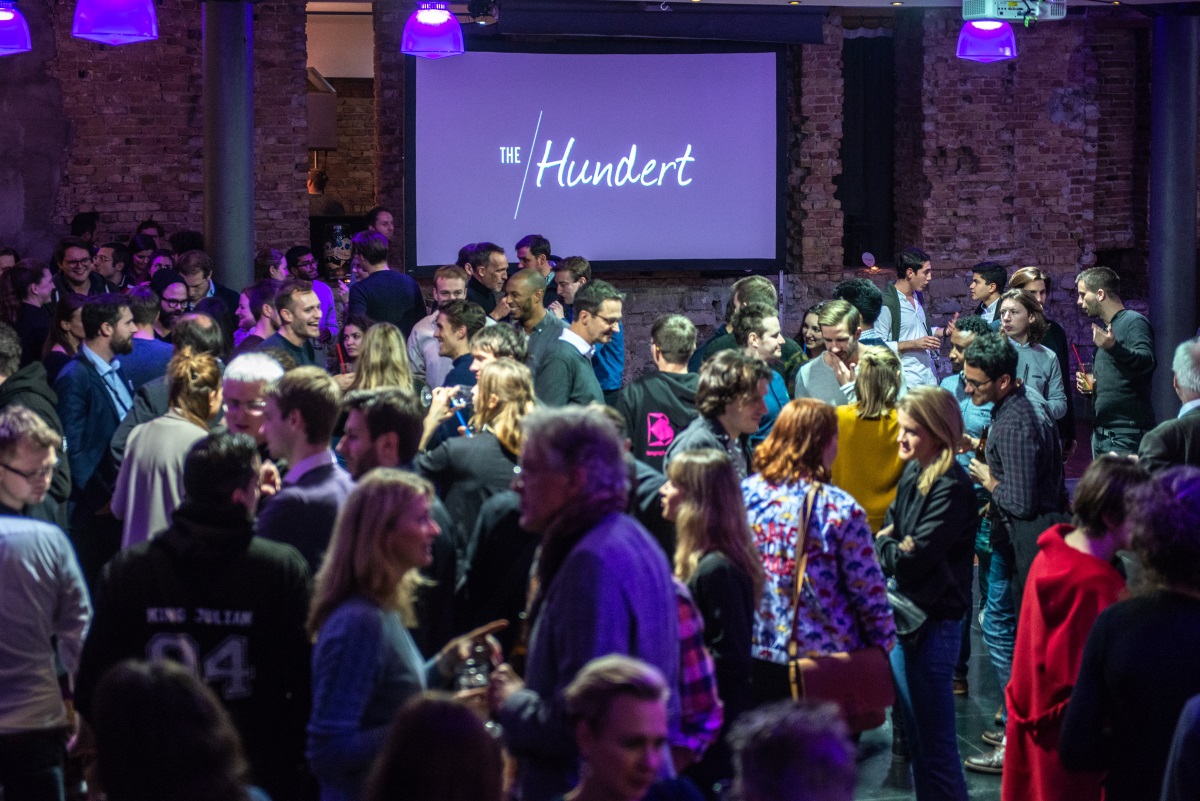
16 out of 100 of the most innovative startups come from Munich
When browsing the magazine, you'll find a whopping 16 startups from Munich. These include:
- Ottonova
- Actyx
- Kinexon
- Hawa Dawa
- gridX
- Teleclinic
- Loadfox
- Tawny
- Medineering
- Konux
- Agrilution
- Artisense
- Talentcube
- Casavi
- Twaice
- Inveox
Inveox on Munich: “a perfect environment”
The latter are also featured separately in the magazine and are allowed to talk about Munich as a startup location. Inveox founder can be quoted as follows:
"The research- and production-intensive high-tech sectors are regarded as the driving force for economic growth. In and around Munich, we're leveraging an ideal environment with outstanding resources and possibilities to shape the future of MedTech."
And also the team from Kinexon can say a few sentences about why Munich is her first choice:
"Munich is definitely one of the hotspots for industrial IoT ventures. It offers the right ecosystem of leading universities, a vibrant startup scene, and large corporations - especially in production and logistics - that can act as partners and customers."
The Hundert jury's criteria included, among other things, that the startups be less than four years old, founded in Germany, and/or have their headquarters here. From the startups that met these requirements, the 100 most innovative business ideas and models were selected.