Coworking is becoming increasingly important in times of digitalization and flexible working. One of the most active players in this area in Munich is the company Design Offices, which has already opened several offices at the location. We spoke with CEO Michael O. Schmutzer about Design Offices' future plans and visions.
Design Offices now has several locations in Munich. What makes the Bavarian capital so attractive to you? Are there any plans for additional locations here?
Munich is a very important business location for us and also a part of our hometown. After founding the company in Nuremberg in 2008 and opening our first location there, we moved to Munich in 2011, where we are now well-known and established.
So far, we've had a very good nose for locations. With Munich's Highlight Towers, we're located in the heart of "Silicon Schwabing," Arnulfpark and Nove are a perfect fit for the urban startup scene south of Arnulfstraße, and next year we'll be moving to Atlas in the Werksviertel, the new media hub right next to Ostbahnhof. But this certainly won't be our last location in the Bavarian capital.
Experts for flexible working environments
What sets Design Offices apart from other providers? What's special about your offering?
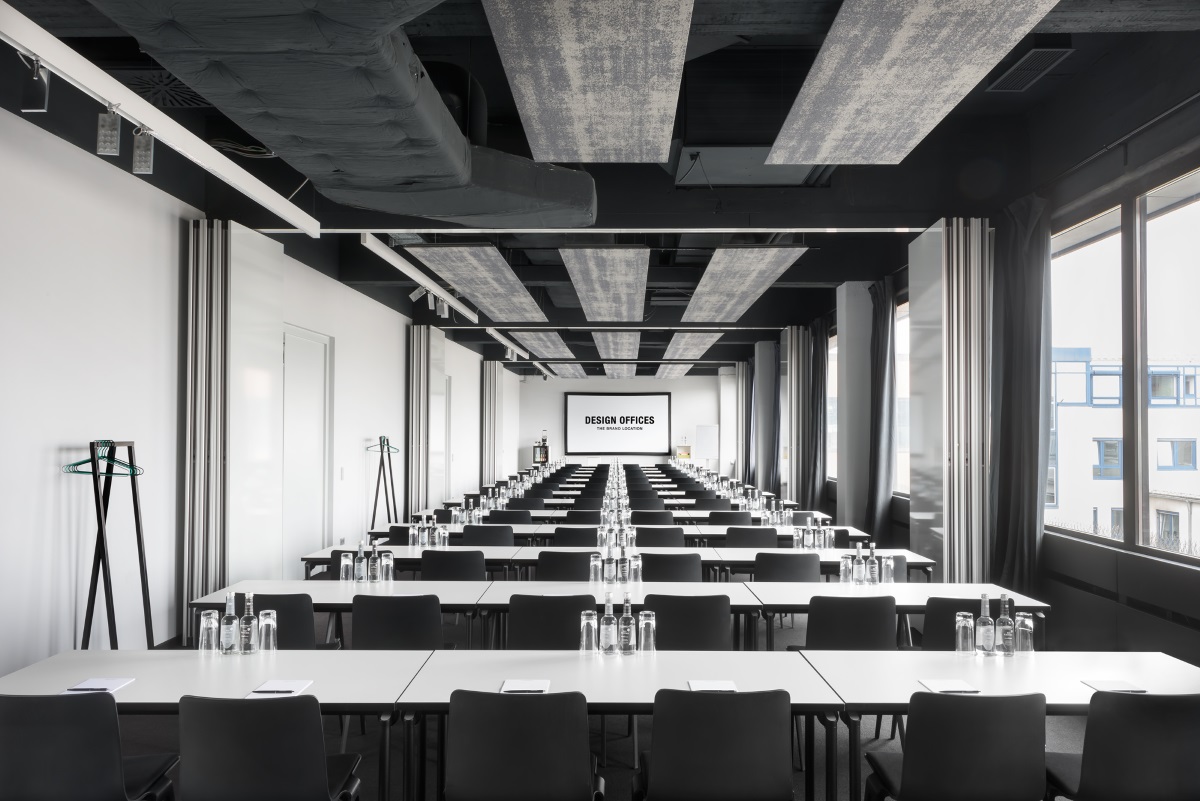
Our primary goal is to be perceived as experts in modern and flexible work environments. Of course, we value high-quality furnishings and good design. But for us, a professional business environment includes much more: adequate infrastructure, suitable security solutions, and a high degree of functionality. In addition to office and coworking spaces, we also offer multifunctional meeting rooms of various sizes and excellent event spaces. No one else offers this combination of space and service at more than 24 locations in Germany.
Who uses Design Offices and why? What is the added value?
Our clients come to us for a variety of reasons. Firstly, project-based work is becoming increasingly popular, and the demand for temporarily rentable space is correspondingly high. We can respond to such requests at short notice and are very flexible in the design of office and project spaces. Of course, we are available to provide advice and support to ensure everyone gets their customized work environment.
But we are also an attractive option for companies that want to implement New Work and Work 4.0 in their own offices to try out the new way of working externally – whether on a project area or in one of our meeting rooms.
Agile working and creative workshop formats like Design Thinking, Scrum, or Barcamps work best in an unusual environment because it promotes creative collaboration and increases innovation. We like to call it beta style. And because we know how important mobility is, we offer real added value here too with our on-site bicycles, which office customers can use free of charge.
Enabler for New Work and Agile Working
To what extent has the world of work changed that a change in the workplace is also necessary?
Under the heading of "New Work," there are three key drivers of change in the world of work: digitalization, the war for talent, and the sharing economy. These inevitably lead to changing requirements for work models, but also for work environments, with flexibility playing a particularly important role. This is where we come in: As a provider of corporate coworking, we provide precisely these flexible work environments and thus see ourselves as enablers of New Work and agile working.
“There is no such thing as the one optimal workplace”
What does the ideal workplace look like for you today? And how will this picture change in the next 20 years?
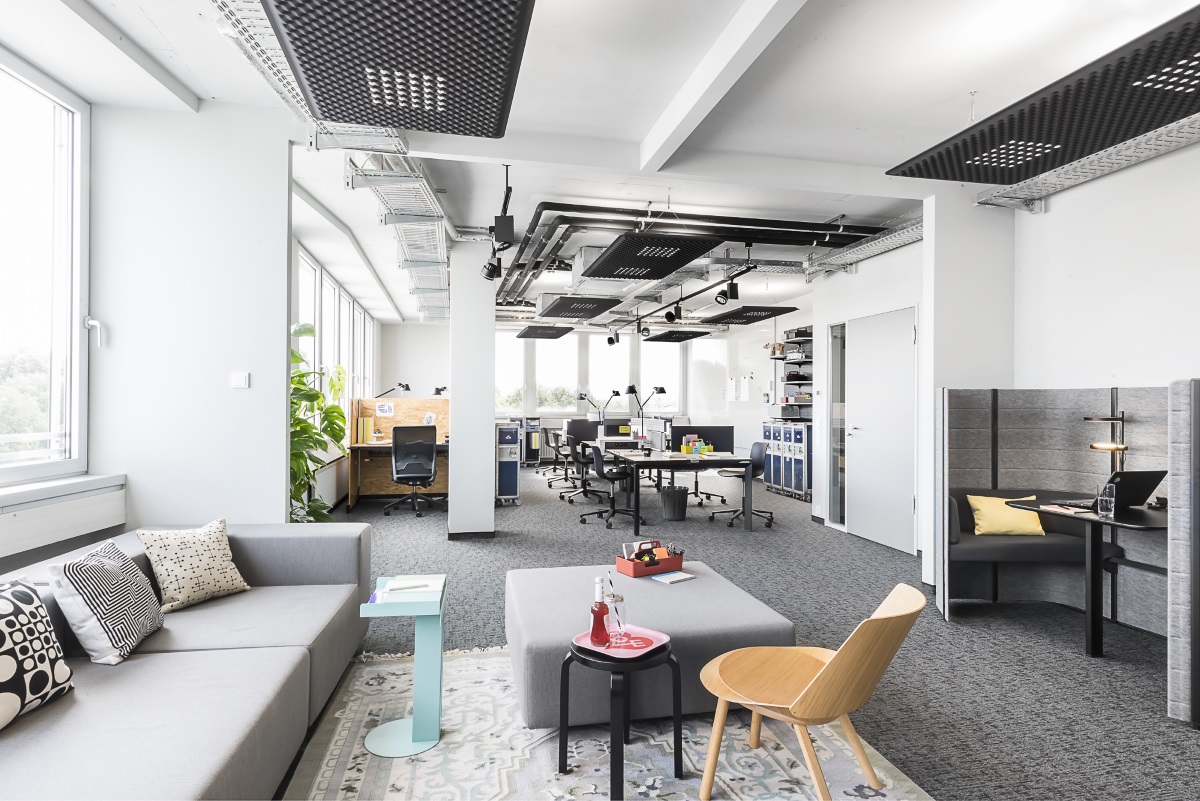
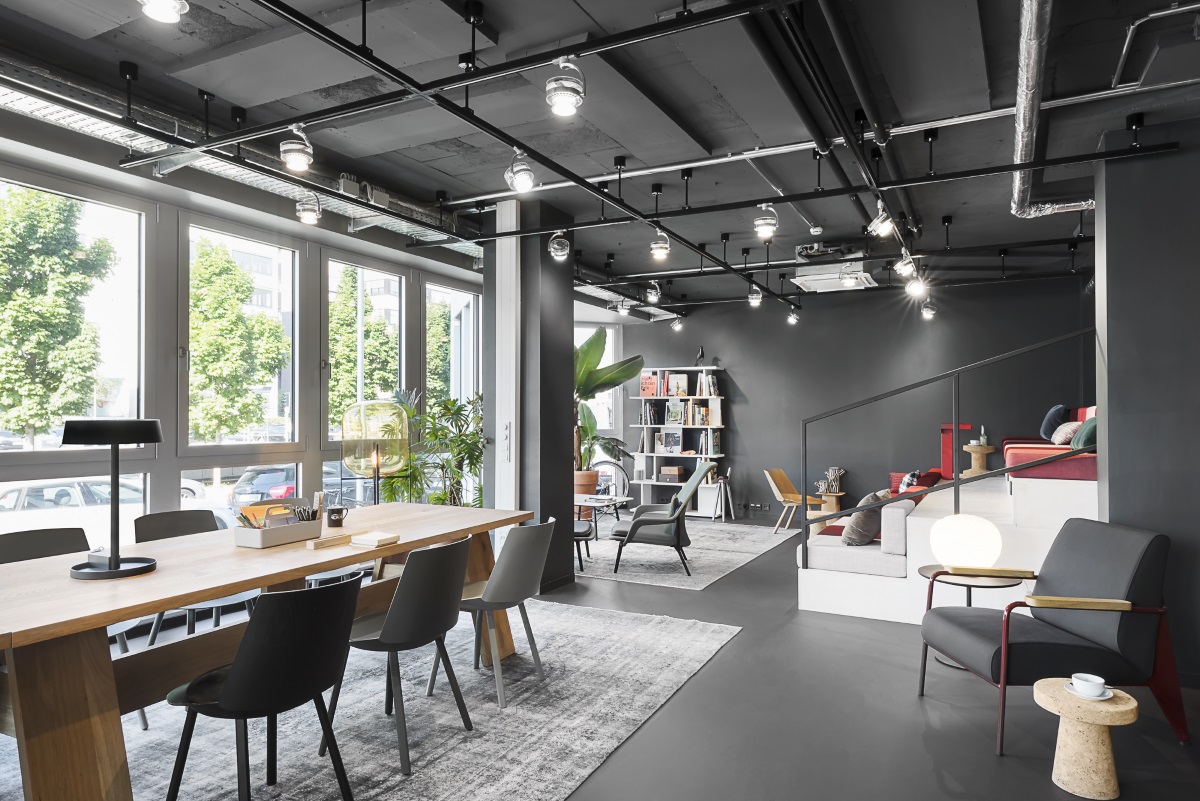
In our opinion, there is no such thing as the perfect workplace. Depending on the task at hand, I might need a retreat for concentrated work, a space for creative breakouts, or a cozy lounge corner for informal discussions. You'll find the full range at our locations. If you book a work loft with us, you'll even get all of this in one, your own little workspace, tailored to your individual needs.
It's important that our customers feel comfortable and can fully devote themselves to their work. Therefore, in addition to functionality and design, we believe that service is also part of an optimal workplace. All of these aspects have a positive impact on work performance and motivation.
Current studies show that project work will continue to increase and the number of permanent employment contracts will decline. It can therefore be assumed that the desire for flexibility – including in terms of workplace design – will continue to grow.
Where do you see great potential for improvement in the workplace? Are there any industries/sectors that you believe are particularly lagging behind?
New Work was a niche topic just two years ago. It has now evolved into a major movement with disruptive and far-reaching consequences. While most companies have understood this, adapting to these new circumstances – and much of it is still in the process of being developed – will take time. A large corporation can't transform itself in just six months.
Startups that have evolved into medium-sized companies—like ourselves—face entirely new challenges today, as they must, for example, consider the consequences of digitalization in a completely different way. Therefore, we see potential for development in almost all sectors—especially automotive, finance, and consulting firms.
Design Offices wants to help develop the working world of tomorrow
What is the future vision of Design Offices?
The coworking market will continue to grow strongly in the coming years, and we will grow with it. Our plan is to further expand our network and operate a total of 100 locations by the end of 2020. Furthermore, our expansion into the DACH region is in the starting blocks, as we aim to develop additional neighboring countries as markets.
But it is also our aim to stay on the ball as an expert in modern working environments and to continue working on the working world of tomorrow together with great partners. In Munich, we are part of the LabCampus at the airport and also co-initiator of future projects in other cities, which will also play a role in urban development.
And, of course, we're continuing to develop our own offerings. For example, we've now launched our first DO Café, for both our customers and external guests. The first café successfully launched a few weeks ago at the Stuttgart Tower location. The rollout is underway.