When people talk about the German startup scene, many—and rightly so—think of the metropolis of Berlin. However, southern Germany boasts two unique and steadily growing startup cultures, co-financed by local industrial companies.
One Friday afternoon in September, shortly before the German federal election, a Danish journalist called me. He wanted to write an article about the opportunities for Danish companies in southern Germany.
During our conversation, the journalist asked me a question that I would now like to answer in detail, after three years as innovation attaché in southern Germany: Why is our Danish Innovation Centre located in Munich and not, for example, in Berlin?
There's no doubt that Berlin is one of Europe's largest and most dynamic startup scenes. But that's precisely why I would say: If you only know one "B" in the German startup alphabet, then you've overlooked two startup cultures that boast unique opportunities and exciting ecosystems: Bavaria and Baden-Württemberg.
With 40,000 new companies founded each year, the startup scene in Berlin may be larger than that in southern Germany, but there is much evidence that Bavaria and Baden-Württemberg are particularly exciting regions for Danish and international startups — not least because southern German startups often have a long lifespan.
Close cooperation with industry
A key success factor for southern German startups is the industrial landscape in both Bavaria and Baden-Württemberg, where one-third of Germany's DAX-listed companies—including Allianz, BMW, Daimler, SAP, and Siemens—are headquartered. Many of these industrial giants invest specifically in young companies, providing startups in southern Germany with important access to capital in their early stages.
But it's about much more than capital and financing. In southern Germany, startups and researchers also benefit from the fact that large companies are keen to collaborate with them.
On paper, traditional companies may sound a bit old-fashioned to creative startup ears, but with their annual turnover and many suppliers, they are very attractive partners for young companies - including Danish ones - that want to gain a foothold in the German market.
New ambitious initiatives in the southwest
In the southwesternmost part of Germany, I've often visited Baden-Württemberg. There isn't a single center or "hotspot" for innovation here, but ideas can be found in every corner of the state. With approximately 573,000 self-employed people throughout the state and several DAX-listed companies, I've been able to experience the startup mentality in every part of Baden-Württemberg.
The startup ecosystem is flourishing in Baden-Württemberg because even the largest companies here have been fostering a startup mentality in recent years. For example, Daimler co-founded an innovation platform called "Startup Autobahn," which facilitates the exchange and implementation of ideas from young, global tech companies in collaboration with Daimler's industrial partners.
Startup Autobahn is not an isolated case. The project reflects a common desire among southern German industrial giants who are willing to rethink their traditional production and business models. Here, tradition and innovation go hand in hand.
And it's worth it: In the last round of Startup Autobahn, 28 startups took part, realizing a total of more than 50 joint projects with commercial partners.
Munich: “Shared Agenda” for a common future
Munich ticks many important boxes that make it an ideal setting for young entrepreneurs. The city has been recognized by the EU Commission as "Europe's top ICT hub." The state of Bavaria plans to invest several billion euros in digitalization, and a total of 380,000 people work in the ICT sector in Bavaria.
At the same time, the two Munich universities, Technische Universität München (TUM) and Ludwig Maximilian University (LMU), are among the most innovative universities in Germany and EuropeThis exclusive group also includes the university in Erlangen-Nuremberg, which is an hour by train from Munich.
DAX-listed companies such as Allianz, BMW, and Siemens actively support local universities and promote innovation and the founding of new startups. This support from large companies has contributed to TUM, for example, being considered a top startup university in Germany.
In Bavaria there is also the Social Entrepreneurship Akademie — Germany's largest university network for social entrepreneurs. Founded in 2010 as a joint project between Munich's four university-based business centers, it demonstrates that sustainability also plays an important role in startup culture.
After three years as Innovation Attaché, I have noticed not only the good figures and healthy growth in southern Germany, but also the special culture of cooperation between politicians, companies and researchers in the two federal states.
I would summarize one reason for Southern Germany's success with the term "shared agenda." At all levels, there is a shared attitude that a healthy startup ecosystem contributes to making the regions innovative and securing the future of large companies.
When talking about the startup culture in Germany, one should keep in mind that the alphabet contains not just one B, but at least three B's.
Innovation Centre Denmark Munich is on Twitter @ICDK_MUC to find.
About the author:
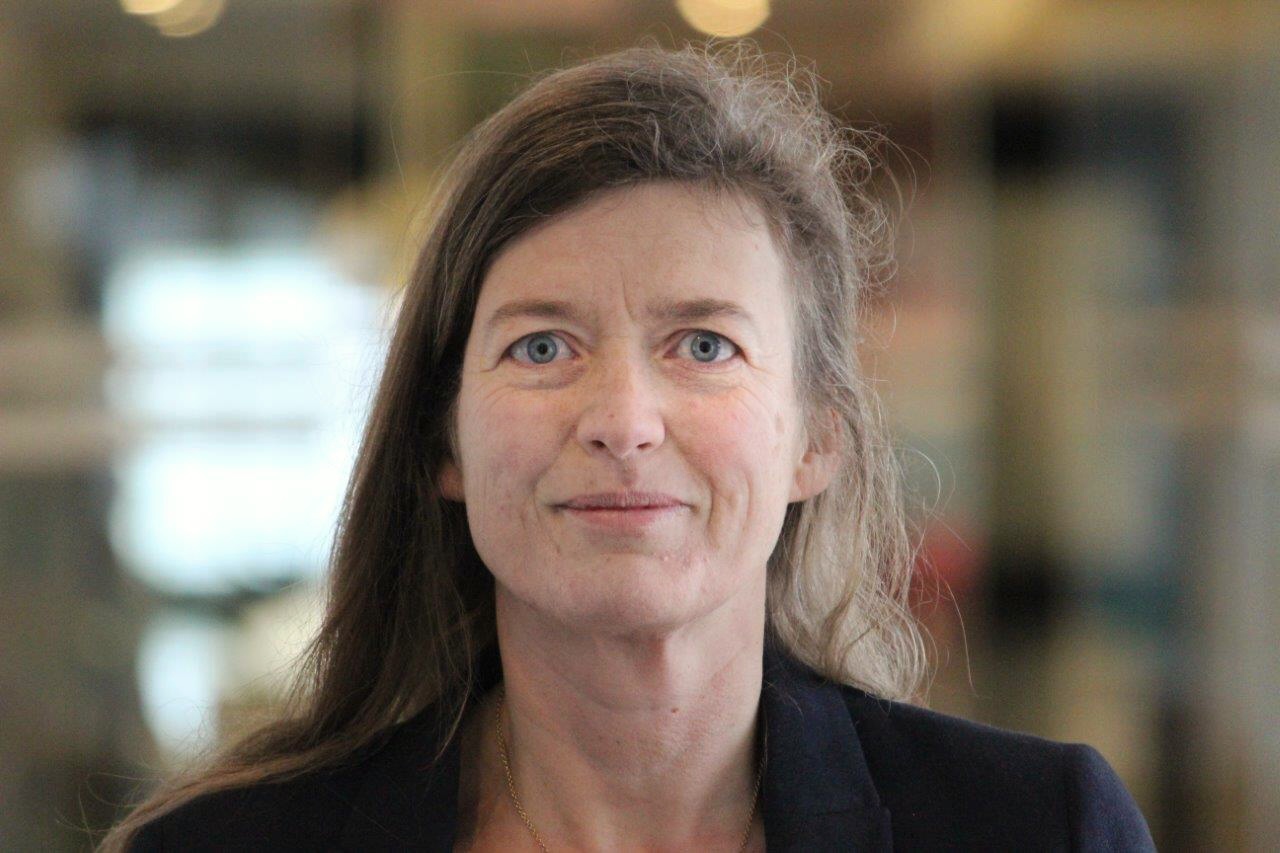 Emilie Normann, Innovation Attaché @ Innovation Centre Denmark Munich, part of the Danish Ministry of Education and Research and the Ministry of Foreign Affairs. Emilie Normann has been working on startup and research culture in Germany for the past three years. A version of this column was originally published on the Danish website MM Next published.