Munich Startup: How did you come to found Kewazo with such a large team? What advantages and disadvantages do you experience with your large, diverse team?
Ekaterina Grib: Kewazo's vision is to become a leading company in the field of construction robotics. Development of intelligent robot systems requires a wealth of knowledge and experience from many different fields. To realize our vision, we therefore need a strong and diverse team that combines civil engineering, construction robotics, automation, software, and business expertise. We firmly believe that innovation and creativity are fostered by a multicultural and diverse environment.
Generate impact through founding
Munich Startup: What personally motivated you to start the company?
Eirini Psallida: From the very beginning, we felt like a strong, unique team. Our great relationship was my main motivation to continue this project, which became a company after the 'Think.Make.Start' (the interdisciplinary course of UnternehmerTUM). When you start a company, the most valuable assets you have are a strong team supporting you, as well as your own passion and enthusiasm. Right now, I can't imagine doing anything else.
Ekaterina Grib: Ever since my first serious job, I always knew I wanted to have my own company. But I was thinking more about conventional businesses, and startups were never on my agenda. At TUM, I first experienced the inspiring presentations of other entrepreneurs who had just graduated but were already fighting to establish their companies on the market. Their story and their passion brought me to UnternehmerTUM, where my entrepreneurial career began: My first startup project failed after six months. But our second project was successful. My greatest motivation to this day is the impact: the impact on our conservative industry and its hardworking users, the impact on the Kewazo team, and the impact on me in terms of personal growth and learning.
Munich Startup: Did you have any role models when you started your business?
Eirini Psallida: I would say that starting a business in my life was a bit unexpected. I met the right people at the right time, so I didn't really have any role models. But now that I'm more immersed in the entrepreneurial world, I would try to learn even more from founders who share similar values.
Ekaterina Grib: I never had a clear role model for starting my own business, but I was inspired by my co-founders, the creative environment at UnternehmerTUM, and the interesting founders I met at networking events and presentations. Today, I would name Demet Suzan Mutlu – founder and CEO of Trendyol. She built her fashion empire on her own. Her mental strength and determination are truly inspiring.
When faced with challenges, look for shortcuts!
Munich Startup: When and where do you get the best ideas?
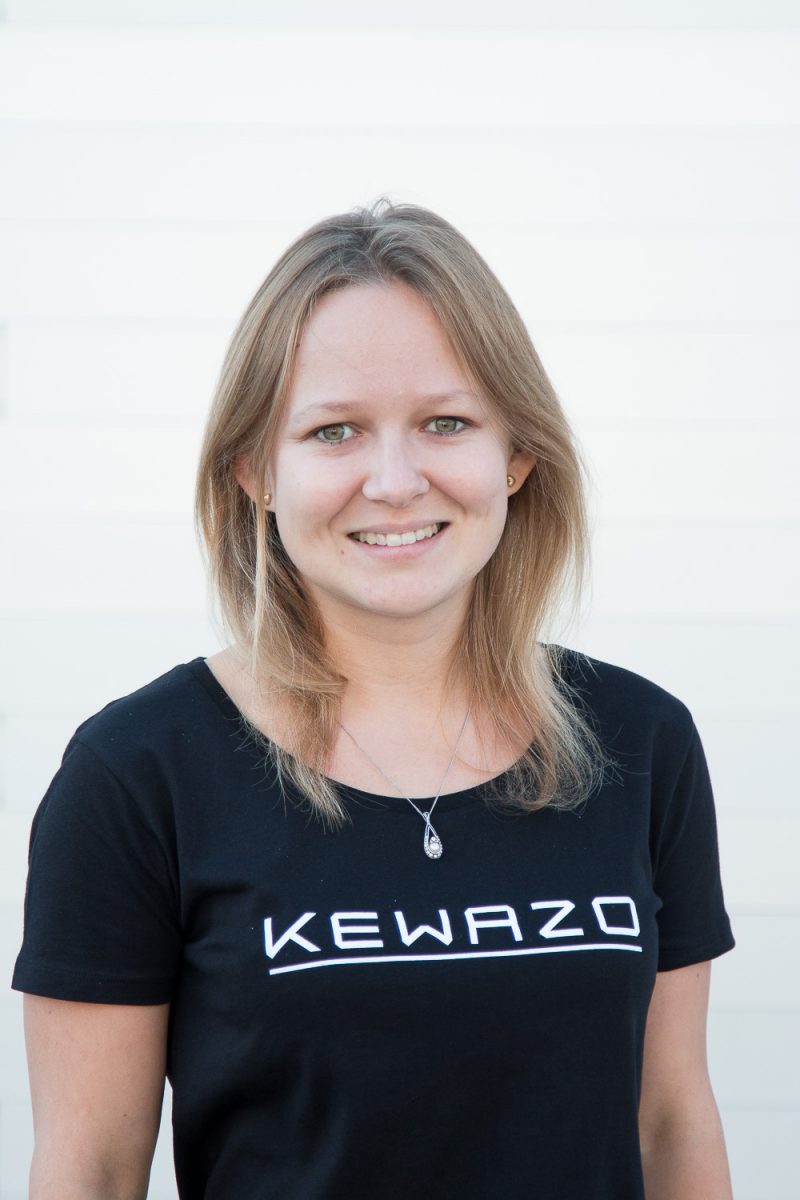
Ekaterina Grib: Through discussions with my co-founders, but also through learning from experts, books, articles, and other entrepreneurs. Many of the challenges we face today are not unique—every startup has gone through similar phases and encountered similar problems. My advice: always look for shortcuts. Entrepreneurship is about creating a delicious meal with the few ingredients available. Most of the time, however, at least someone else has already cooked that recipe. You just have to learn from that person and find your own path.
Munich Startup: Your greatest talent?
Eirini Psallida: I think my greatest talent is adaptability and the ability to work under pressure. As a founder, you often have to be open to rapid change and remain open-minded. At the same time, you have to learn to implement your ideas quickly and under great pressure.
Munich Startup: The biggest mistake you have ever made?
Ekaterina Grib: One of the biggest mistakes I've often encountered is underestimating the amount of work and deadlines involved. As a founder, I often try to cover multiple areas, and that often comes at a price. We're all in a constant learning process. That's definitely the biggest advantage of a startup.
Kewazo overcomes prejudices in the construction industry
Munich Startup: The three worst prejudices you encountered when starting a business?
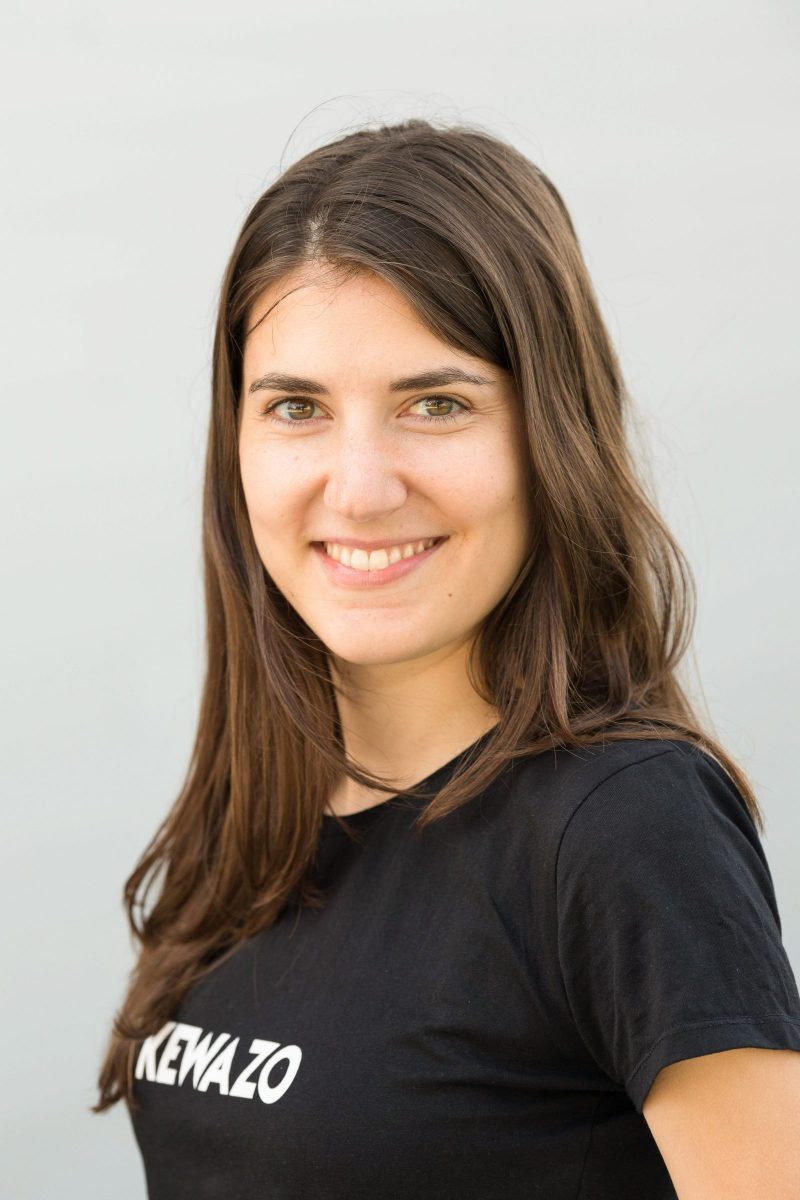
Eirini Psallida: Our experiences at Kewazo may have been a bit harsh, but we ultimately decided to found a startup in the construction industry. Over the years, I've heard many prejudices from customers, suppliers, and even existing competitors. I would summarize the top three as follows:
- Technology and leadership: Men are better leaders and more technologically gifted.
- Young women in the construction industry: 99.9 percent of our customers and users are men, and they are generally significantly older and more experienced than us. Although we initially encountered some prejudice, we have since been able to assert ourselves and feel we are on equal footing.
- Women's careers: At a certain point in their lives, women prefer to focus on their private lives rather than their careers. I think it's a shame that this is still the way people think, and that the public image of women is automatically pigeonholed in this way.
Munich Startup: Does this seem like a good time to start a business? Why?
Ekaterina Grib: There's never a perfect time to start a business! And it will always be challenging, but if you're interested in entrepreneurship, you should definitely give it a try. From the very beginning, we decided that even if we fail, we'd have the opportunity for impressive personal development. A year at a startup feels like three years at a conventional company. Sure, you have less free time and usually more pressure. But when you're surrounded by the right people, everything takes on a dynamic of its own, and you feel like you can overcome any challenge.
I would therefore really encourage potential founders, especially female founders, to follow their path and take on the challenge. Especially now—apart from COVID-19—there are many opportunities for founders in Germany, and there's a truly great ecosystem.
Inspiration for future female founders
Munich Startup: Do you think it is important that more women start businesses in Germany?
Eirini Psallida: Absolutely! I would say that the startup ecosystem, especially as I see it in Munich, is still far from gender equality. We need more diversity, and all voices should be heard. Only then can we get the most out of innovation and creativity. The more female role models we have, the more we will see young women inspired and motivated to pursue entrepreneurship.
Munich Startup: How do you support other female founders?
Ekaterina Grib: As one of the few female founders who specializes in ConTech (= Construction Tech, editor's note) I understand the topic of female empowerment very well. Therefore, I have always been and remain happy to support future female founders with advice and share my experiences. I also try to inspire female students and entrepreneurs by participating as a guest speaker at various events, lectures, and seminars. I also like to do this internationally, as this helps create even more inspiration for future female entrepreneurs.
Exciting times before market entry
Munich Startup: What’s on top of your desk right now?
Eirini Psallida: Currently we are in the Market entry phase and the launch of our first product, "Liftbot," in the construction industry. This is both very exciting and very challenging. My main focus is on improving the software performance of our system and supporting the customer's system performance. At the same time, we are already thinking about the next version of our robot system and future applications.
Ekaterina Grib: My three biggest challenges right now are sales, fundraising, and finance for Kewazo. We're currently closing our Series A funding round to scale our company and further strengthen our team.
Munich Startup: What makes you happy?
Eirini Psallida: Human relationships are of utmost importance in my life. The people I love and trust are what I need to be happy and move forward. The rest will follow.