Four days, 35 locations, and over 100 sessions — if you want to delve deep into the Munich startup scene, you should mark October 22nd to 25th in your calendar. That's when the Munich Startup Safari enters its second round. We spoke with Safari founder Daniel Kilger to find out what to expect this year.
The second Munich Startup Safari starts on October 22nd. For those who haven't heard of it yet: what exactly happens on this very special safari?
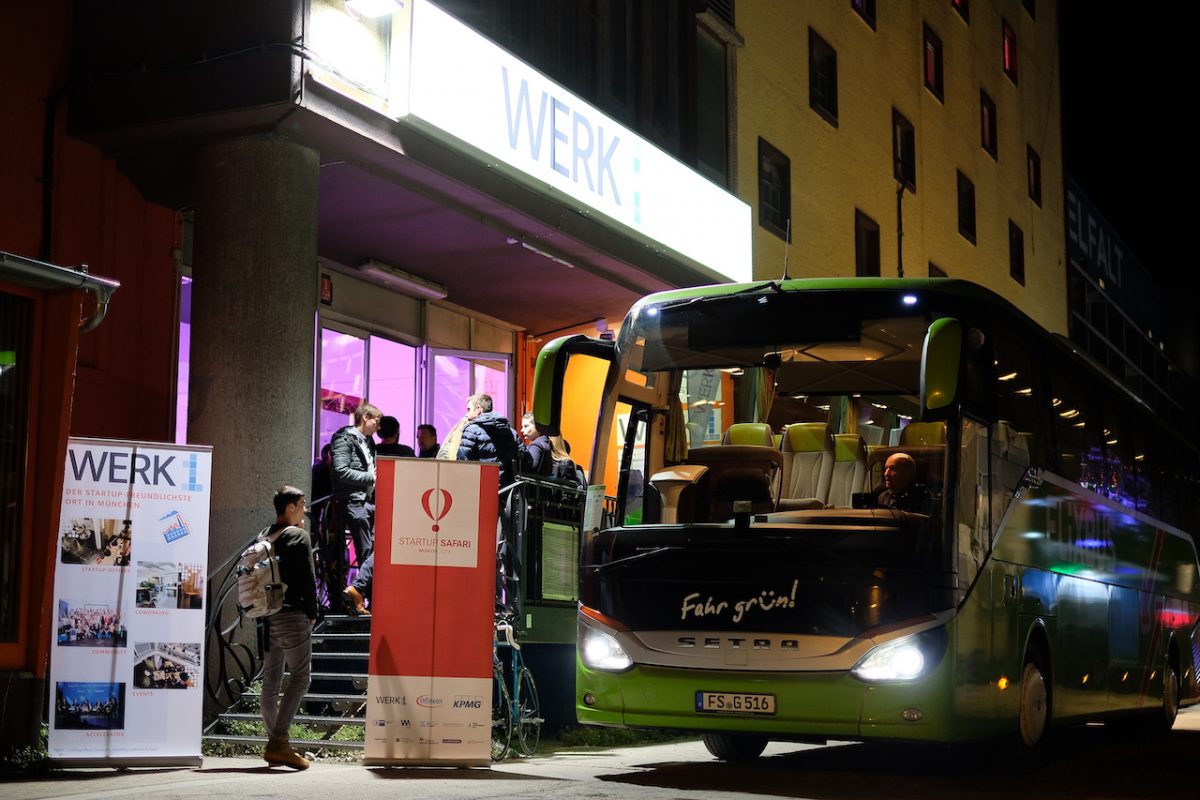
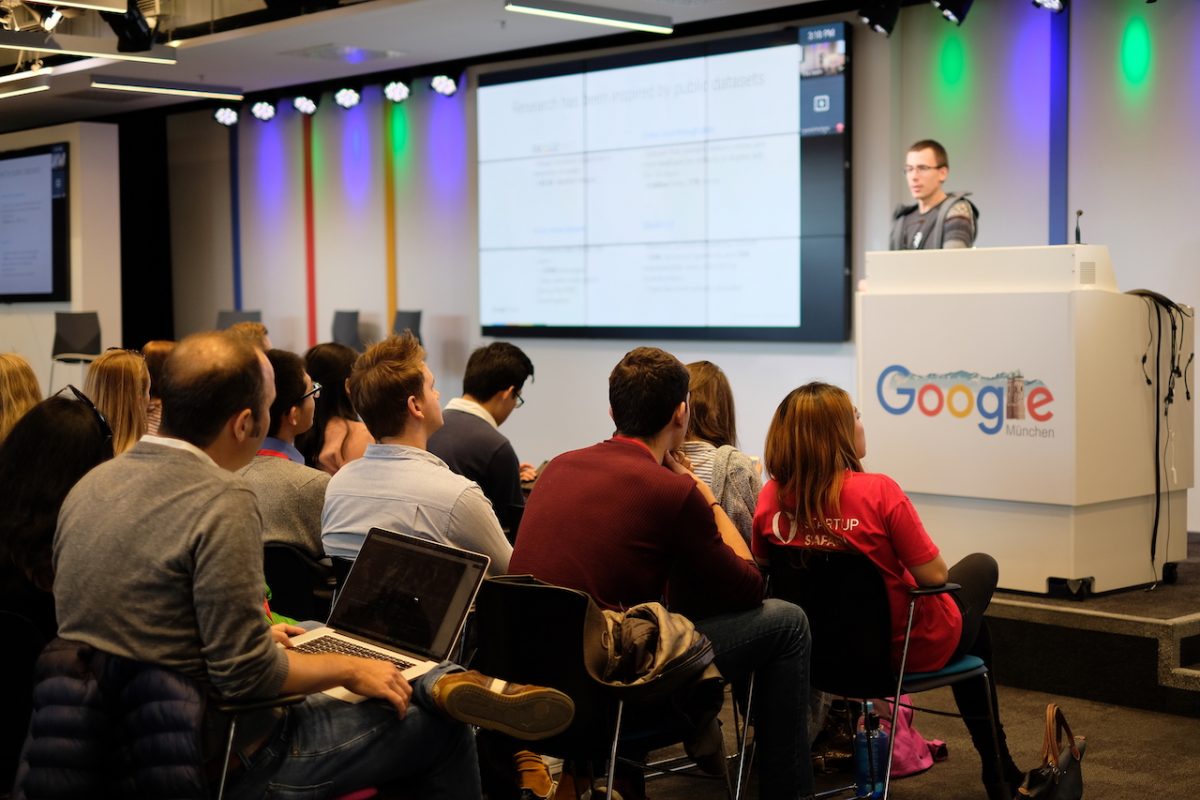
The Startup Safari is essentially an "open week" that offers unique access to Munich's startup and tech scene. For four days, all the major players open their doors and host interesting workshops, panels, and AMAs. (Editor's note: Ask Me Anything Sessions) or parties.
There are a total of 35 locations and over 100 of these sessions. Ranging from success stories of well-known founders to pitch coaching and term sheet workshops, as well as exclusive insights into tech giants and corporate innovation workshops for corporations.
Participants book into the sessions that interest them, creating their own personalized agenda and traveling through Munich for four days to learn, interact, and take the next step. And that's what makes the Safari so special. There's no fixed agenda. Everyone puts together the perfect program for themselves and their current needs. Whether they want to learn how to negotiate a term sheet, deliver a perfect pitch, or simply get to know the scene and be inspired.
An “open week”
Which players from the Munich startup scene are participating? And are there any highlights you're particularly looking forward to?
We have over 100 sessions and partners. Of course, it's not easy for me to choose. Startups—if we can still call them that—like Flixbus, Freeletics, Personio, Stylight; global corporations such as Google, Infineon, EY or Audi, accelerators and initiatives such as the WERK1 or government units. We've put together four different journeys, for which I'd like to give a few examples:
Inspiration & Networking Journey
- Freeletics – From Idea to worldwide release
- Flixbus – Open Office (Behind the curtains of a Unicorn)
- YFood: From 0 to 100 – two years to double-digit million sales
Startup Journey
- From Founding to Funding
- Term Sheet Jargon explained – How to not fuck up the round before it even started
- UX Review: What your customer never told you
- Funding Rounds – Common Pitfalls, Do's & Don'ts
- Demystifying patents – How to protect your Software & Business Model
Corporate Innovation
- 11 Hands-on hacks to drive positive change in organizations (Workshop)
- Bring your problem – find your solution
- Rethinking Corporate Innovation (Panel)
- Increase efficiency with Artificial Intelligence
Plus the Jobseeker Journey, which provides access to all startups, corporations and initiatives, and on top of that, Startup Work — a job fair for students and jobseekers on the Friday of the Safari.
Individual journey for each participant
Who do you want to address with the Startup Safari?
The second unique feature of the Startup Safari is that there is no fixed target group. As already mentioned, each participant creates their own perfect journey. Students can be inspired by well-known entrepreneurs, find their first job, and even learn how to start a business.
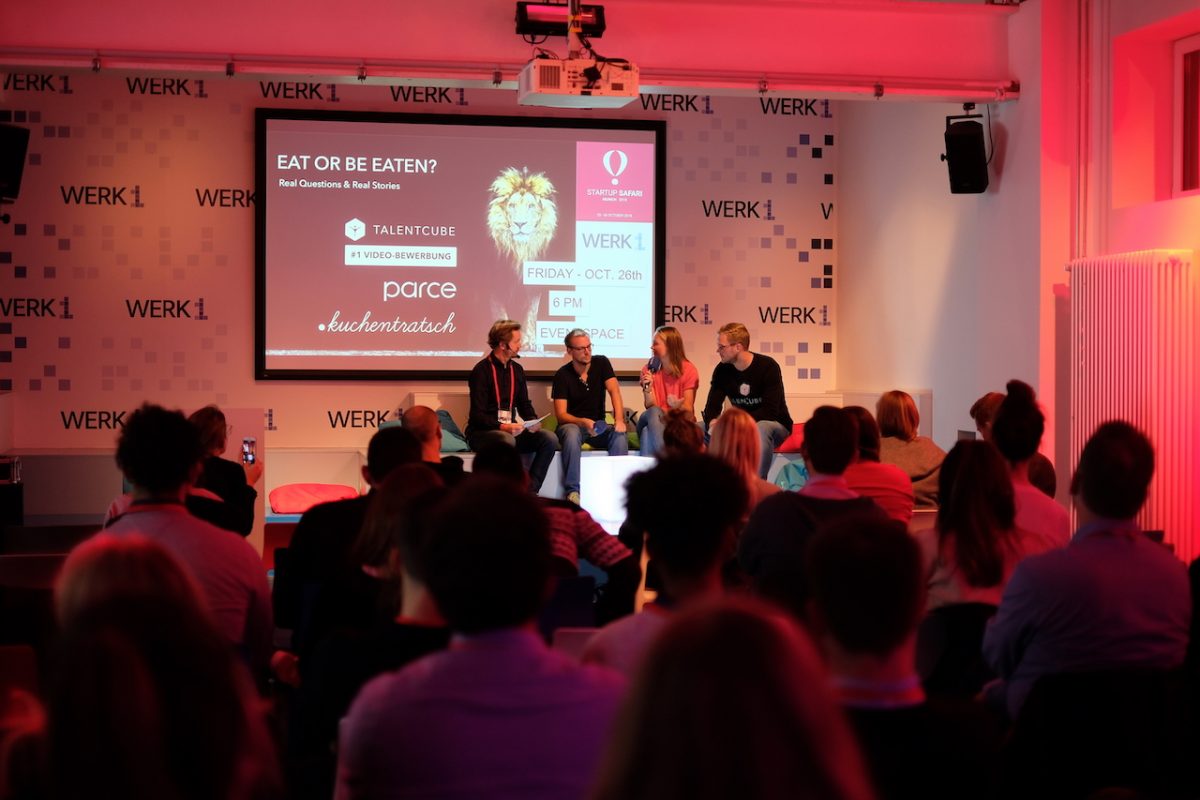
Startups can participate in topic-specific workshops to learn essential information relevant to their current stage of development. They can also meet investors and acquire large corporations as clients.
“A founder and a startup are only as good as the ecosystem that surrounds them.”
There are many opportunities for corporations. They can meet startups, discover new trends, and learn how to implement the latest technologies in their own company. There's also a dedicated Corporate Innovation Day, which focuses exclusively on innovation within the corporation.
Why do you think access to an ecosystem is so essential—from a founder's perspective? Is there really a need for a 'city to raise a startup'?
I firmly believe in that. A founder and a startup are only as good as the ecosystem that surrounds them. The best idea in the world won't help you if you can't find allies, access to investment capital, customers, or highly qualified employees. But it's not just these "hard facts" that count; it's also a community of like-minded people. I firmly believe that as founders, we must stick together and support one another. We don't have the resources that a corporation has, so we have to find other ways to achieve our goals. And that only works together—which, by the way, is also the slogan for the Startup Safari: #strongertogether.
Whether it's intros, sharing experiences, or recommendations that take a founder and their startup to the next level, all of this only exists in a functioning ecosystem. But that's absolutely not something we can take for granted—we can only create the ecosystem together as a community.
And also from your perspective as a founder: What do you still miss in the Munich ecosystem?
Actually, just two things: More openness and more capital. By more openness, I don't mean the startup scene per se. The community in Munich is already very special. I wouldn't even call it a community anymore, but rather what we call it internally: The Munich Startup Family.
Not corporation vs. startup, but corporation and startup
However, there's still too much distance between corporations, the government, and the startup scene. Don't get me wrong: Both parties are doing a lot in this direction, and we've made incredible progress. I still want us to move even closer together.
For me it is not corporation vs. startup, but corporation and Startup. Collaboration can lead to magical things, especially in Munich. We have almost all relevant DAX and MDAX companies here. A situation that's almost unheard of anywhere else in the world. We have to take advantage of this.
And last but not least: capital—but that's a German problem, not a Munich one. We need more VC capital in the country. We must be able to raise the same amount of money as a Chinese or US investor. At least in the long term.