3 days, 20+ locations, 50+ sessions — the 1st Munich Startup Safari. And thus, it's ideally suited for getting to know the Munich ecosystem. What exactly the safari entails, who it's aimed at, and which highlights shouldn't be missed — we wanted to know all this in more detail from the brain behind the Startup Safari, Daniel Kilger.
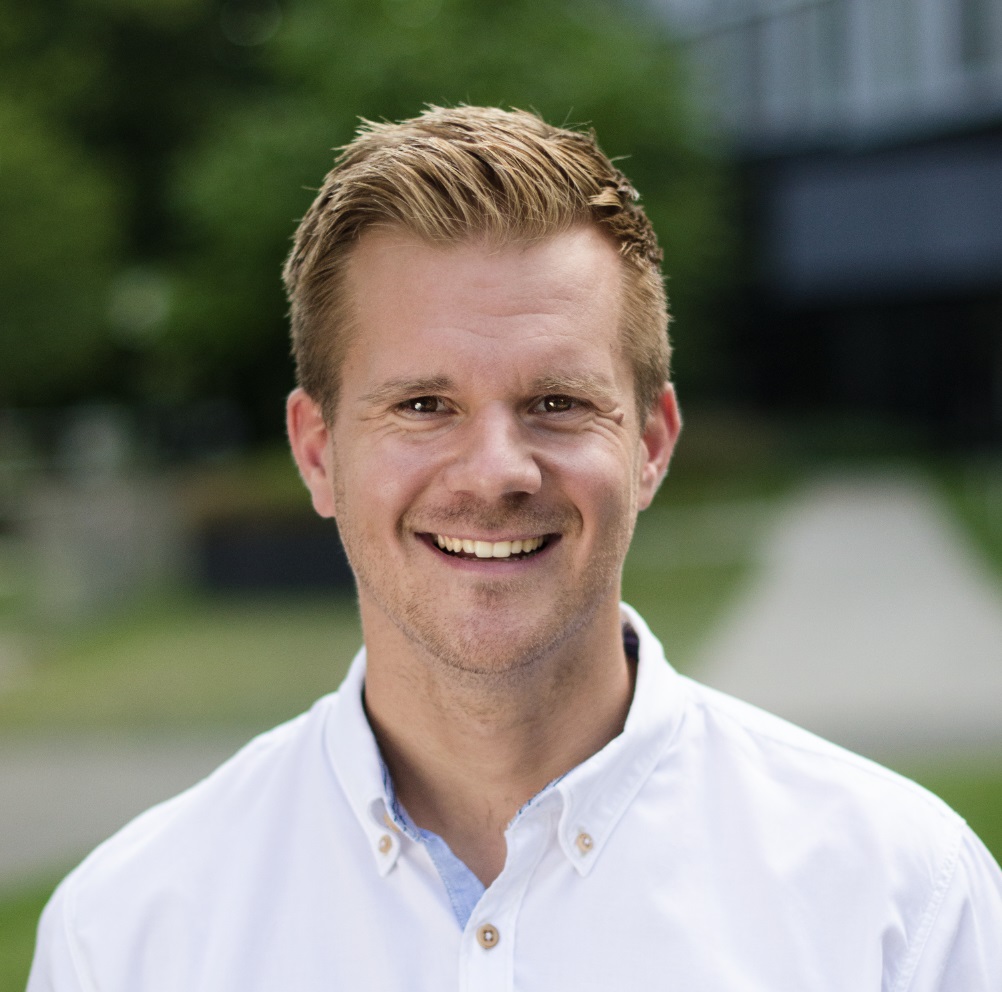
The Startup Safari is coming to Munich at the end of October. How does this three-day event differ from other events? And why was a safari missing in Munich?
In short, the Startup Safari is characterized by 3 principles:
- No central location,
- no fixed agenda and
- open to everyone.
Explained in more detail, the Safari is essentially like one big open day that stretches across the entire city of Munich. For three days, every player in the scene opens its doors—startups, accelerators, investors, corporations, or initiatives—hosting so-called sessions. These sessions can be anything from workshops on specific topics to keynote speeches and panels to office parties at well-known startups. From all these sessions, participants select the ones that interest them and use the booking system to create their own personal, customized agenda and tour of the city. They then travel through the city for three days to learn from the best, make valuable contacts, and be inspired by famous founders. When else do you get the chance to gain access to Flixbus, Freeletics, Celonis, or Google?
“Perfect breeding ground for startups”
Of course, I'm a bit biased, but I see Munich as the perfect breeding ground for startups. We have two of the best universities in Europe, renowned research institutions, more than 700 startups, renowned investors, and 26 DAX/MDAX companies in and around Munich. This infrastructure is almost unique. The goal of the Safari is to connect all these players. We firmly believe that we can achieve unimaginable things when we work together.
Who is the Startup Safari aimed at?
One of the core pillars of the Startup Safari is the motto "Open to everyone"—there are no target audience restrictions at the Safari. There are sessions for everyone, whether startups, corporations, schoolchildren, students, or the general public. Everyone can choose exactly what interests them.
For example, corporations have the opportunity to participate in a Corporate Innovation Journey, where there are sessions such as “AI and how to use it in the corporation,” “Startup Scouting with AI,” or “Venture Creation in Collaboration.”
Students learn how to start a startup and startups learn how to raise a million dollars.
And which players from the Munich ecosystem are among those taking part?
In total, there are around 60 sessions in more than 25 locations, including well-known Munich startups, accelerators, corporations, initiatives, government units and entrepreneurship centers: Flixbus, Freeletics, Celonis, Magazine, Google, Infineon, KPMG, WERK1, UnternehmerTUM, LMU Entrepreneurship Center, Chamber of Commerce, Wayra, Startup Creasphere, RetailtechHub, Texas Instruments, Mindspace, Techfounders, Female Tech Leaders, Women Techmakers and many, many more.
From Deep Tech topics to the Lions' Den
Which highlights should you definitely not miss?
The pre-opening powered by WERK1 and the closing party, of course! Joking aside, it's hard for me to choose because the range is so broad. From truly deep tech topics like The Revival of C++, live hacking, building your own blockchain, to topics like Google Insights, how to apply to a tech giant, a workshop with investors on how to raise a million dollars, a panel of 'Lion's Den' alumni, and even office parties with food and drinks, there's everything.
I’m particularly looking forward to a session called “Iamremarkable” — a joint event by Google and Female Tech Leaders with a focus on supporting and empowering women and underrepresented groups, introduced by a wonderful speaker.
Can startups still participate in the Safari?
Bookings have already begun, and many participants have already registered for individual sessions. However, if it's an exceptional session, that wouldn't be a problem.
And what happens next? Will we be allowed to go on safari more often in Munich in the future?
Definitely—but we don't want to give too much away. We already have concrete and very specific plans.