Those who fail to double-check and triple-check their actions in the midst of business madness risk jeopardizing their professional existence. Why is this? Because the digital world is full of nasty pitfalls that pop up unexpectedly. So, it's high time to clear up any confusion and take a closer look at the most dangerous liability risks!
And that’s what our guest author today, Ralph Günther, founder and managing director of exali.de, is looking into.
Hacker attacks, programming errors, etc. – that can be expensive!
This horror scenario can happen to anyone: A hacker breaches your company's IT system or infiltrates the website's backend, steals highly confidential data, sends spam and phishing emails to customers, and thus causes immense damage. Clients withdraw from (project) contracts, resulting in significant revenue losses—not to mention dissatisfied customers and significant damage to your reputation.
Anyone who unintentionally fails with the customer must take responsibility for it
This can hit startups or freelancers who program or update websites for their clients particularly hard. What if, despite careful work, a consulting or programming error occurs, or data is incompletely recorded, incorrectly processed, or not saved? And what happens if an installation accidentally fails and an unnoticed data leak occurs? The costly consequences are business interruptions, including lost profits and additional costs for the client. And at the end of the day, the expensive bill lands on the freelancer's desk!
So check who uses external content
Another dangerous source of risk that small and medium-sized businesses in particular should be aware of is intellectual property rights. Copyright infringement often proves costly for the self-employed.
Anyone who thinks they only need to be careful when embedding photos on their company website is seriously mistaken. Even the use of copyrighted videos, drawings, and humorous images like memes can, in serious cases, lead to costly cease-and-desist letters and damages. Not only that, but even job postings, product descriptions in online shops, and terms and conditions can be subject to copyright. Therefore, it's best never to copy or copy the wording from your competitors!
Many professional mistakes have unexpectedly large repercussions with fatal consequences
Fundamentally, every startup and self-employed person should be aware that third-party claims for damages represent one of the greatest risks to their professional and personal existence – regardless of the size of the contract. Experience has shown that even small projects with low budgets can result in high claims for damages.
If, for example, the startup fails to meet an agreed deadline, the result is often lost revenue and wasted expenses for the client. The freelancer would then have to compensate for the damage and pay for it with their (private) livelihood.
Lost track of all the liability risks? Then get the right insurance!
But please don't panic right away; after all, there's a solution for almost every problem. First and foremost, the motto "double checking is better than one!" should be followed in day-to-day business. By carefully monitoring workflows and regularly obtaining a structured overview of all steps, many risks can be eliminated. But even this doesn't eliminate all dangers.
To be on the safe side, it's also a good idea to take out appropriate professional liability insurance early on, which provides the best possible protection for your business and covers any damages incurred in the event of an emergency. This way, startups and self-employed individuals are always prepared for unexpected risks!
About the author
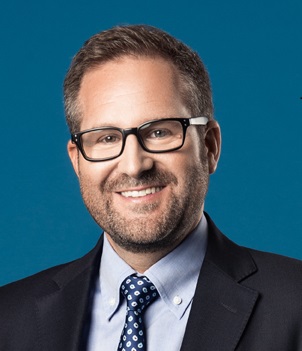 Ralph Günther, born in 1972, is a specialist author, insurance expert and founder and managing director of exali.de, an insurance portal for service providers and freelancers. He has many years of experience in risk management and insurance for IT companies, creative and media agencies, consulting firms, portal operators, e-commerce companies, and lawyers. His focus is on financial loss coverage – and the associated further development and new development of industry-specific insurance concepts.