Very soon there could be a laser cutter on your desk next to your printer. Mr. Beam In any case, they are currently working hard to manufacture the first devices and have them delivered starting in February. They are thanking their Kickstarter backers, who helped the Munich-based startup launch the second-most successful crowdfunding campaign in Germany on Kickstarter. Sven Rens (CFO) tells us in an interview how they achieved this, what the current status is, and what's next.
Sven, you're currently in the hottest phase: The first laser cutters are scheduled to be delivered in February. What's the current status?
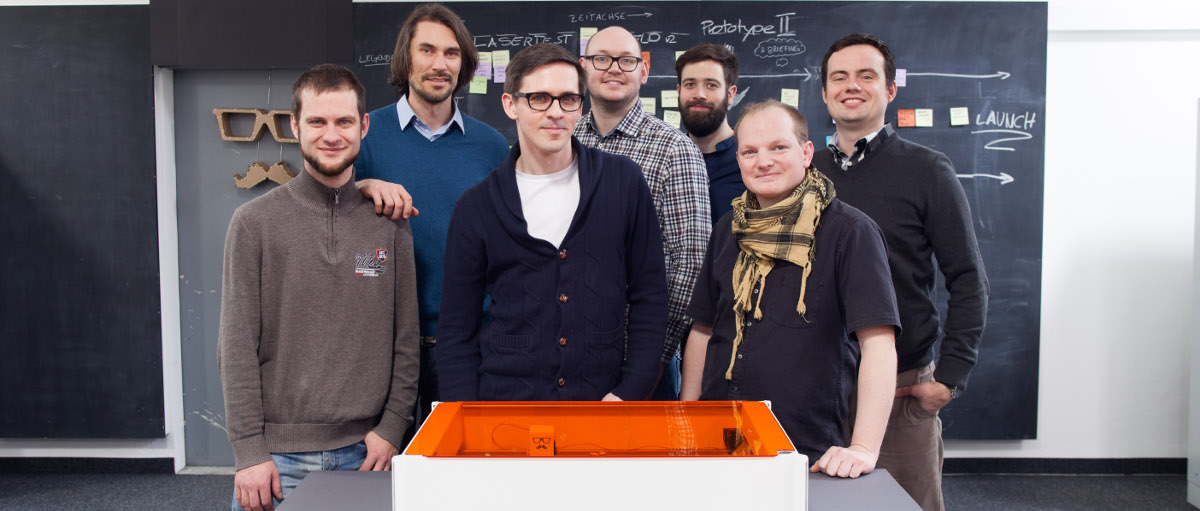
We've almost completed sourcing. That means we've purchased all the materials we need for the first batch. A significant communication effort, which involved coordinating purchasing, logistics, and production, is now behind us. The first second-generation Mr Beams can now go into series production. We have our laser cutter manufactured in Thuringia by a partner with whom we also worked after our first Kickstarter campaign. This has resulted in a good partnership that we value greatly. This is also because this partner has a wealth of knowledge about electronics and supports us with their expertise. We also see it as a clear advantage to be within driving distance of our production facility. This means we can be on site when production starts up to implement any optimization measures as quickly as possible. It looks good that the first devices can be delivered in February.
What exactly distinguishes the second generation Mr Beam from the first Variante?
The first model had to be assembled by the customers themselves – a DIY project. Which made perfect sense, as it was clearly intended for the maker scene. As demand grew outside of this scene, and customer desires shifted toward a "finished product," we recognized the market potential. And we had to further develop Mr Beam I: Mr Beam II now comes fully assembled and with a housing. Overall, the device has also become more powerful and, thanks to further software development, is more intuitive to use.
To realize the second generation of Mr Beam, you once again relied on crowdfunding. The funding goal for your second campaign was €80,000, but you ultimately raised around €940,000. What was your first thought after the campaign ended?
Wow! We didn't expect that. We only had a very small budget of €1,500 for the conception and implementation of the campaign. Everything had to be paid for with that: video, editing, sound, and much more. Shortly before we were paid out for the second campaign, we still had about €800 in our company account.
https://youtu.be/6hFWK0RPbQk
A second round of crowdfunding wasn't actually our first choice. We also tried to talk to VCs and business angels beforehand, but simply couldn't find the right partner. What we did know, however, was crowdfunding, as we had already proven with the first campaign.
What exactly happened to the money collected?
We actually completed the development process with this. We had a working prototype, but it still needed optimization in some areas. The protective housing is the truly major innovation that made Mr Beam II certifiable in the first place. The laser's performance has also increased. The software has gained in functionality and simplicity. For example, we were able to make positioning the design on the workpiece much more intuitive. The option of color coding is now also implemented in the system. This is a common technology in professional lasers and has now also made its way into desktop laser cutters.
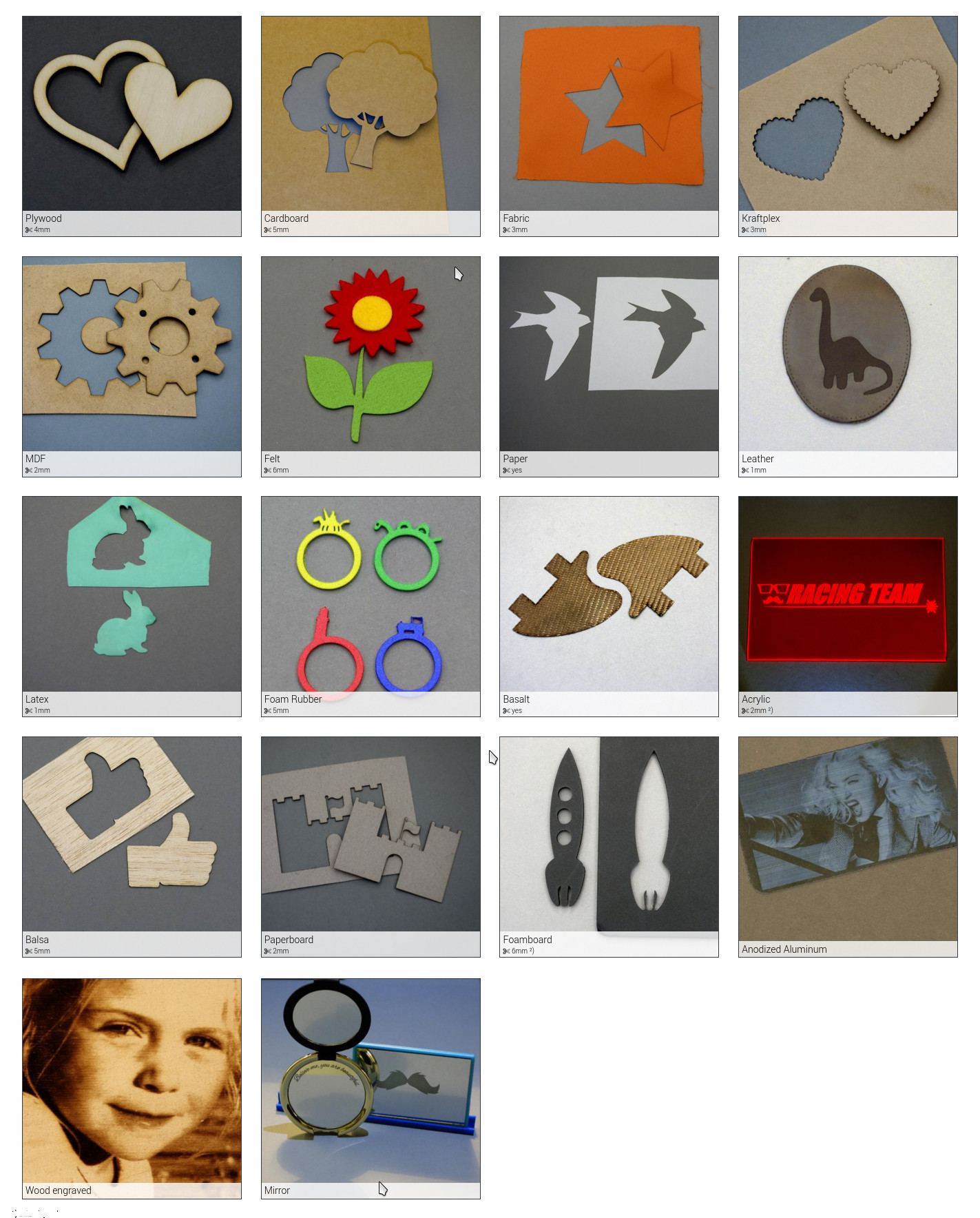
During the development period, we have also gained more experience in the treatment of materials and can therefore make recommendations in the future as to which materials should ideally be treated and in what thickness.
Why did you choose the Kickstarter platform again?
At the launch of our campaign, Kickstarter was – at least according to our research – as big as all other crowdfunding platforms combined, if not bigger. Furthermore, it wasn't our first campaign there, so we, as Mr Beam, were able to build on an existing network.
Furthermore, Kickstarter itself is interested in seeing business models evolve and "former" campaigns continually launch new ones. That's why we received support from all sides, and our campaign was once named Project of the Day. During this period alone, we generated $150,000 in revenue.
Another factor that contributed to our success was that our product was timely. There are now several similar projects, although they aren't yet on the market. No desktop laser cutter has been delivered yet.
Crowdfunding doesn't just mean watching the money grow, ideally, but also involves work. The crowd wants to communicate with you. And that happens across all channels. At its peak, we probably worked twelve hours a day to intercept this communication. And by then, we hadn't even built a device yet.
The first devices are now scheduled to ship in February. The original delivery date was November 2016. How did you communicate the delivery delay to your backers? And how did they react?
In fact, the question about the delivery date has been one of the most frequently asked questions since November. We have tried to keep our backers up to date (Editor's note: Supporter) and provide a rough estimate of when delivery will begin. However, since it was usually external factors that caused delays, and we always explained this transparently and understandably, we found great understanding from our supporters.
This close communication eventually led to local supporters from the Munich area visiting us and wanting to see for themselves how far we've come. We actually even took weekend shifts to show our supporters the current status. Which was a good thing, because the visitors also spread the word via their own channels that a lot is happening with us.
What happens after the Kickstarter devices are delivered?
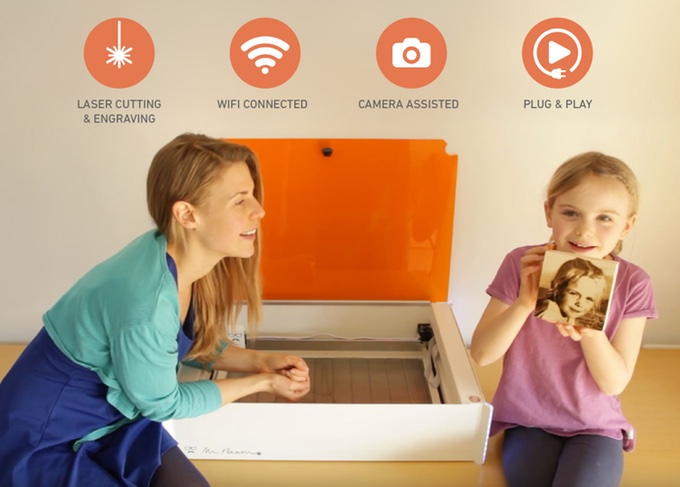
We have been back with the Presale onlineSales are going well at the moment, even without us actively advertising. I think once we ship and the first customers receive their devices and report back, even more interested parties will approach us. Then we plan to invest more in advertising again and relax our reticence somewhat.
And then? Do you need fresh capital again?
Yes, we're currently looking for investors. To grow faster, we'd need around a million euros. We believe we can do it without investor capital, but we'd need more time for everything. Now that we've completed the proof of concept, the product is ready, and there's obviously a market for it, investors are starting to listen. They're still skeptical, though, because we don't have years of experience in this field yet; our laser cutter is a new product. But we've been around since 2014, so we can now look back on a few years of laser cutting experience. And the team that has formed over time and grown steadily is impressive.
However, investor discussions can take quite a long time. That's why we're not waiting for investor funding to arrive; we're working on building the company every day, regardless. It would, of course, be faster with an investment.
Would you recommend crowdfunding to everyone?
Crowdfunding is democratizing investment. What was previously reserved only for elites—the freedom to support projects according to their own taste—seems to be opening up somewhat thanks to crowdfunding. Strangely enough, the crowd often acts similarly to investors. They also evaluate the team first and ask themselves whether what they're promising is even possible.
What we value about crowdfunding – besides the money and the marketing impact – is that you learn to assess your customers: where they come from, what they want. This allows you to estimate your market segments very accurately. This is definitely an advantage when defining your target audience. For us, it was definitely the right path. We learned a lot: about our product, about being a company, and about our target audience.