
The joy of saving: Germans have a reputation for being particularly ambitious bargain hunters. The Munich Global Savings Group shows that discounts work worldwide.
Anyone who regularly shops online will be familiar with discount portals. Sorted by retailer, they list current voucher codes that grant discounts on purchases. A win-win for everyone involved: The customer benefits from the savings. Online retailers gain reach and sales through the platforms. Through commissions – keyword: affiliate marketing – the discount portals share in the revenue they generate. Since such voucher portals are real crowd-pleasers and traffic generators, some major news media outlets, such as the German Focus or the English Daily Mail Discount sites in their offer.
The Munich-based Global Savings Group has built a global discount site empire on this relatively simple principle. The startup claims to be the market leader in Europe and one of the industry's largest players worldwide. With more than 40 platforms, the company operates in 24 countries, works with around 20,000 retailers, and generated revenue of €232 million on its connected shopping sites in 2015.
When users give themselves gifts
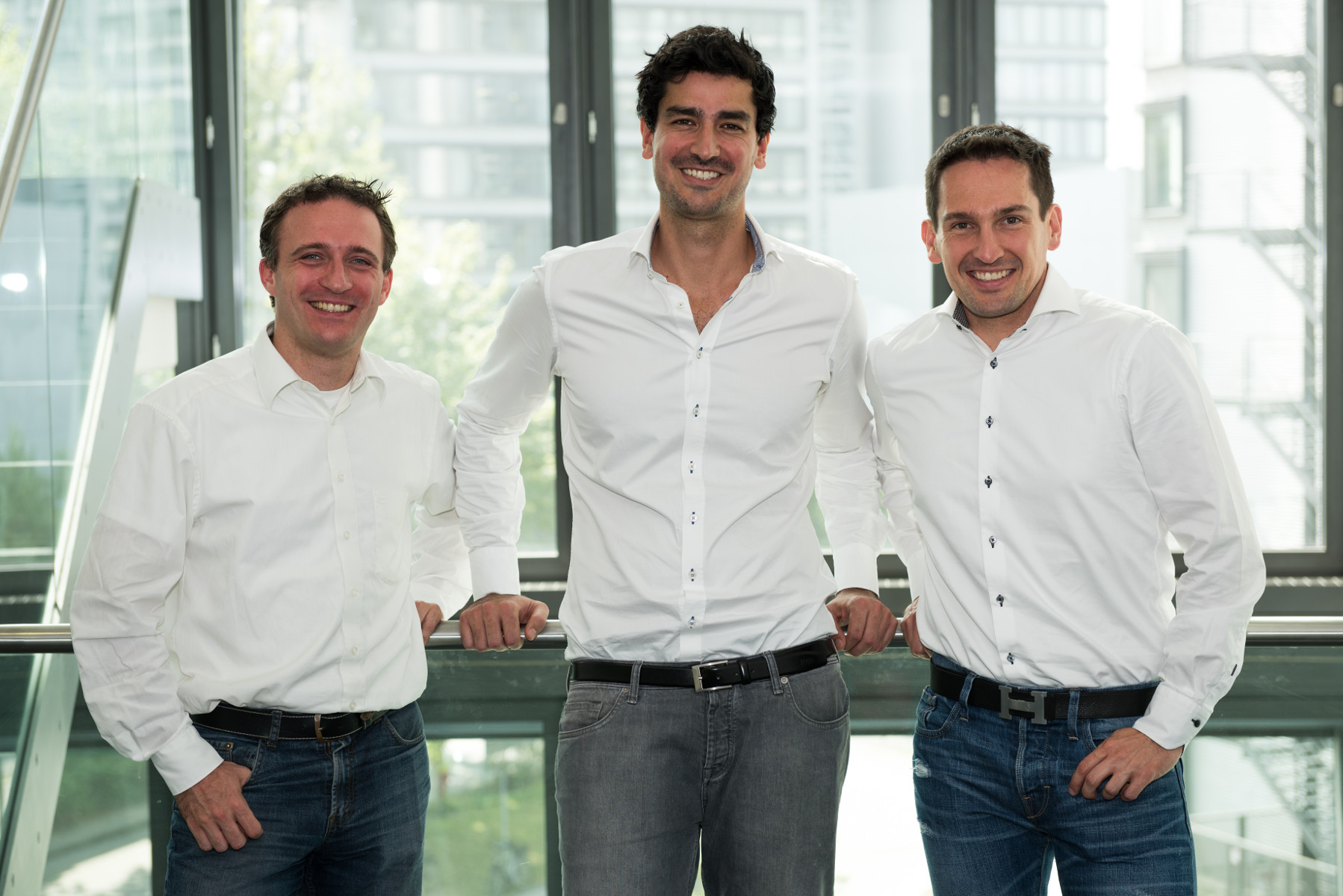
The three founders and managing directors of the Global Savings Group, Andreas Fruth, Adrian Renner, and Gerhard Trautmann, launched the company from Berlin in 2012 as the "social gifting platform" Dropgifts. During the founding phase, Oliver Samwer approached the team. An employee of his startup company, Rocket Internet, had initiated the contact. They agreed to launch the company together, and Rocket took Dropgifts under its wing.
Dropgifts' business model was different: Users could exchange discounted €5 vouchers. However, the offer was only moderately popular. The startup noticed, however, that many users were sharing the discounted vouchers using multiple Facebook accounts. self-gifted had. Co-founder Andreas Fruth told:
"We called it 'self-gifting.' We thought, if that's the real customer need, then let's go for it."
The team decided to pivot, a radical change in their business model. Instead of social gifting, they tried discounts and bargains this time. The result was the discount portal. Couponing.
From Cuponation to Global Savings Group
In September 2012 Couponing launched in the Indian market, then in Poland and Brazil. A dozen more countries will follow in the next two years, including the home market. In the meantime, the company is turning its back on the capital and moving to Munich. This is primarily for personal reasons: The founding team is from Munich and the surrounding area. So, they're going home. Andreas Fruth also sees business advantages in this move:
“There is better access to talent in Munich.”
In July 2016, the parent company renamed itself Global Savings Group. The Cuponation portal will remain as one of the many offerings of the Global Savings Group. According to Fruth, the new name is intended to reflect the fact that the company has long been more than just the Cuponation provider. Is he concerned that the name change could harm the company?
"On the consumer side, it makes no difference at all. After all, hardly any Google user knows that the holding company is now called Alphabet. We're in constant communication with our partners and, in fact, find it easier to explain that we operate different platforms beyond Cuponation."
A global discount site empire
The company has focused on aggressive growth since its founding. The startup is already the market leader in Europe:
"There's no real competition at the European level, just individual players in the countries. Some of them are big at the national level and do a very good job. Apart from us, however, hardly anyone can boast such a strong European and even global presence."
Rapid global growth is the core of the company’s strategy:
"This is our unique value proposition: For our partners like hotels.com, eBay, Amazon, and also European companies like Zalando, it's very exciting not to have to find a new provider for each country."
In addition to Rocket Internet, renowned investors such as Holtzbrinck Ventures, New Enterprise Associates (NEA), and Deutsche Telekom Strategic Investments (DTSI) financed the company's growth. And what is the relationship with the Samwer startup company Rocket today?
"In the beginning, we were closely integrated. After that, our paths diverged somewhat as we became independent as a company and pursued our own projects. Today, Rocket is an investor like any other."
That's what happens when a bargain startup turns into a discount site empire.

