Munich Startup: Who are you and what does Manaomea do?
Tine Arlt, founder of Manaomea: We are Manaomea, a socialImpact startup. Manaomea stands for best possible recycling of textiles. With our innovative technology from space travel, we eliminate textile waste by transforming it into a unique, distinctive and durable material.
Our Manaomea material is unique down to the last millimeter, super authentic, and naturally circular. Offering a wide range of applications in the most beautiful rod-shaped designs, it can be used both indoors and outdoors, just like (tropical) wood and plastic, while the trees remain standing. Today, we use it to make very special pens – the Betterpens – and in the next step, unique furniture and interior design, such as innovative skirting boards, wall panels, jewelry, and accessories. Our material can be recycled endlessly. From the pen body to the chair to the floor, and this can be done again and again, without shredding.
Starting in 2025, it will finally be manufactured on the textile waste mountains in the global south. Because it's our long-standing goal to work where all the textile waste, which comes from all of us here, is generated. And to bring about real change there with our technology and socially fair jobs.
Space-Tech for textile waste
Munich Startup: What tech features do you use to apply cradle-to-cradle principles?
Tine Arlt: We use our Aerospace technology, to transform any type of textile waste, combined with our bioresin, into our unique Manaomea material. We produce rods of various geometries – always rods. This is the key feature that allows us to recycle and remanufacture each rod and each resulting product without shredding it. This allows small rods, such as pen barrels, to be transformed into larger rods for use in interiors, furniture, and other applications.
Munich Startup: How do you incorporate the circular economy into your business model?
Tine Arlt: For us, circularity begins with the design concept. From the very beginning, with incredible creativity and patience, we designed our material so that it can be recycled without being destroyed. This is how the rod-shaped design came about. Each of our products is designed according to minimal and circular design principles, so it can be completely disassembled and recycled.
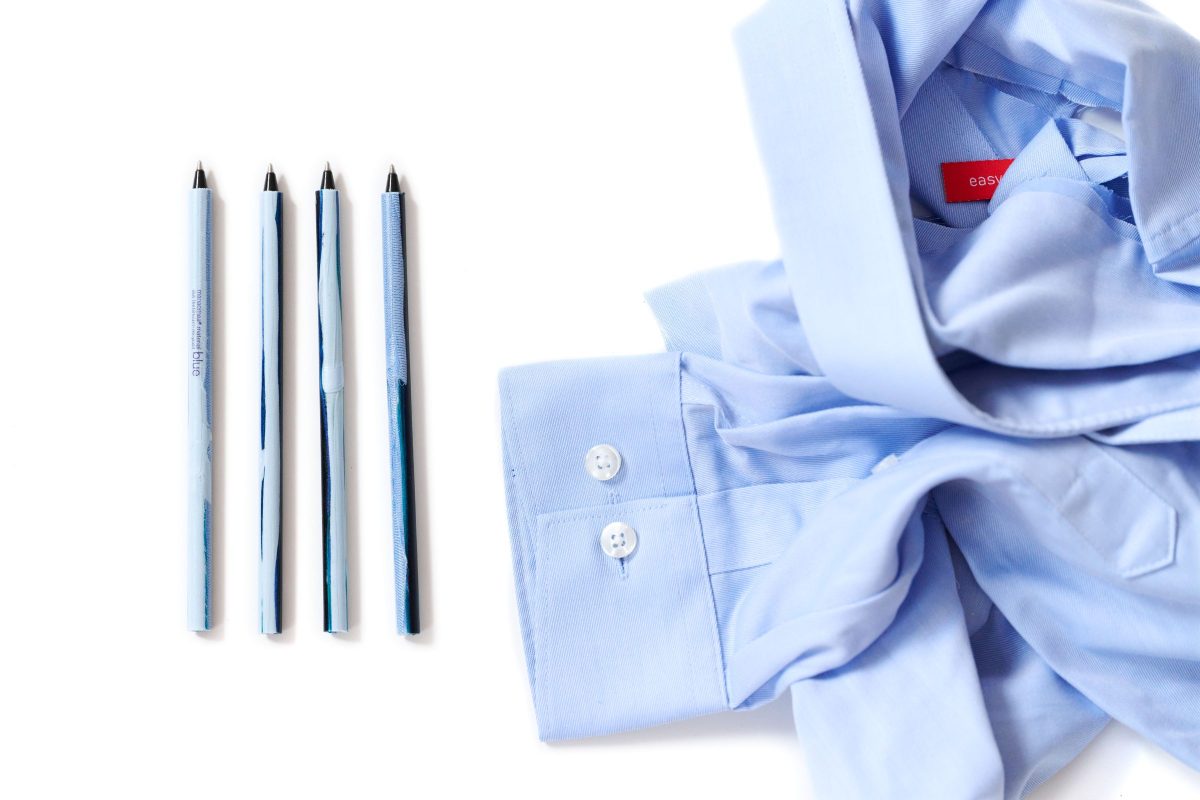
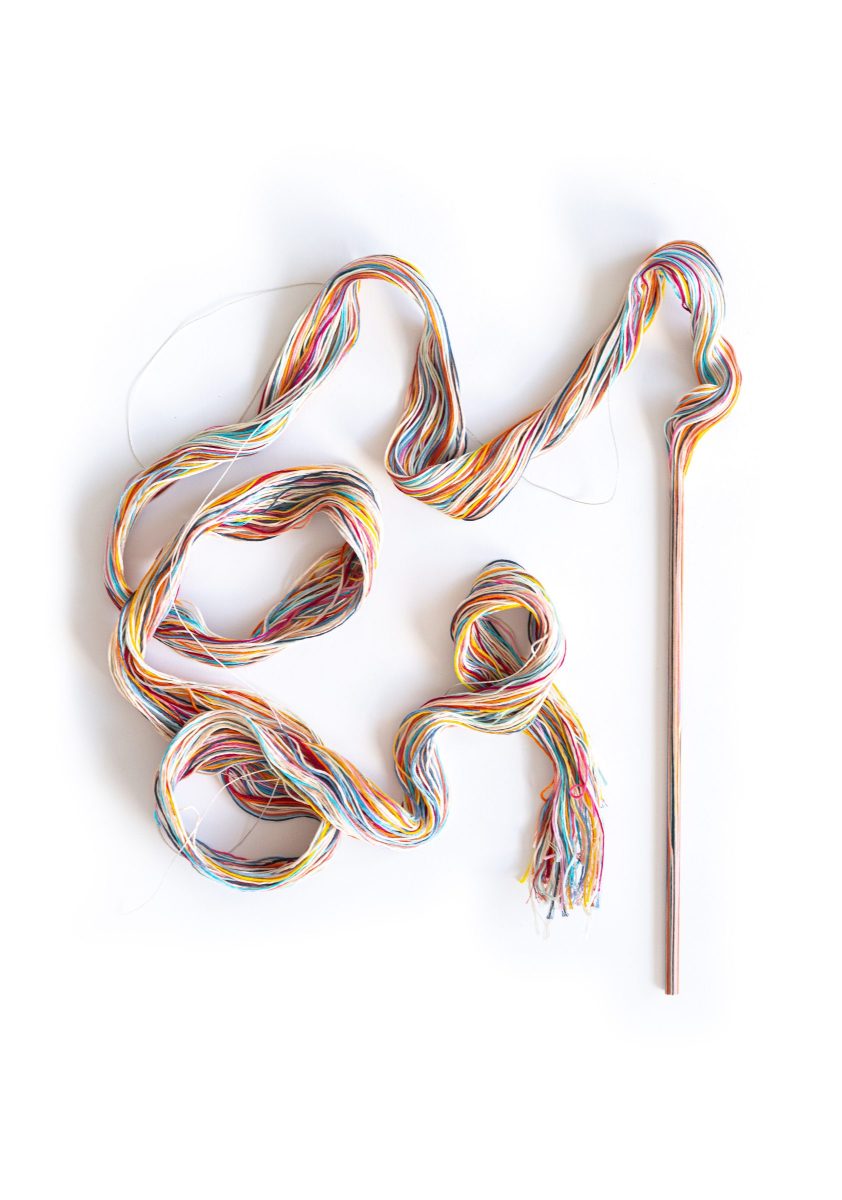
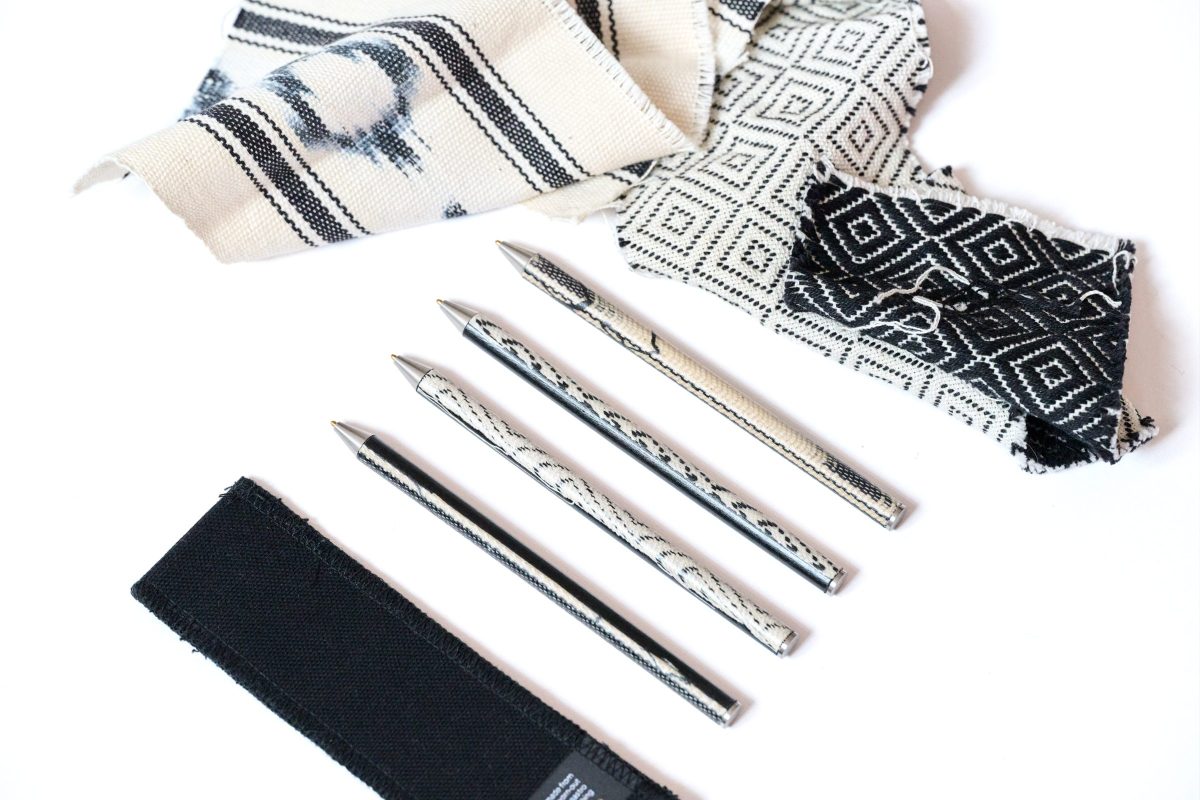
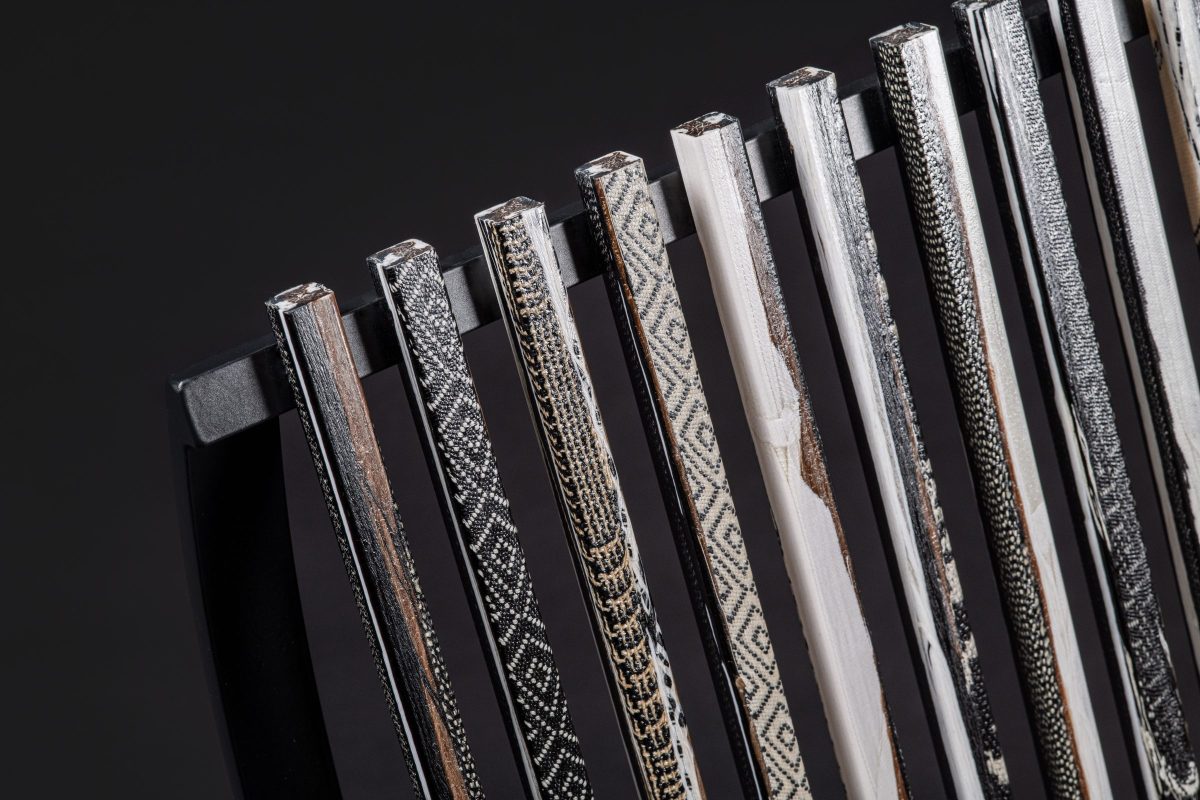
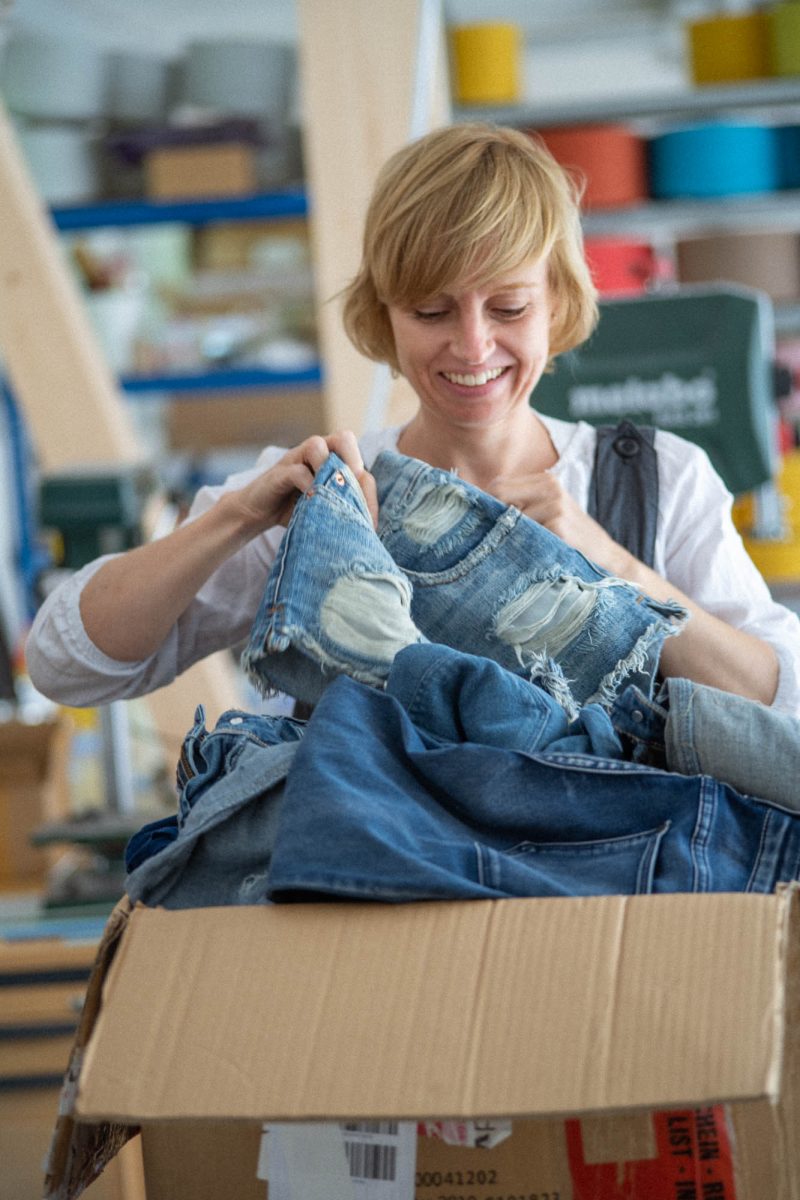
Recyclable from the material to all joining techniques
We reduce everything to the essentials. No unnecessary frills. For example, our Betterpens are made only from textile waste and bio-resin, with replaceable refills, some with stainless steel parts. That's all it takes. And every pen body can be returned to our material cycle, for example to become a rod for a piece of furniture. The pen sleeve remains completely intact. A small rod becomes a larger rod, an even larger rod, and an even larger rod – endlessly. And we simply love our Betterpens. They are true impact miracles. The first socially circular upcycling pen made from waste. It can be kept in its cycle forever and also serves a social purpose – fair jobs and fair wages directly from the mountains of textile waste around the world.
Following the success of Betterpens, we're moving on to larger bars to create new, exciting products such as furniture and interior designs. Through collaborations with great furniture brands and other partners, we aim to expand our reach and impact.
Translating high technology into smart, cost-effective systems
Munich Startup: What can other startups learn from you?
Tine Arlt: Other startups can learn from us how to translate super-innovative high-tech into smart, small, decentralized, and cost-effective systems, thus enabling them to have a direct impact on the problem at hand. Technology transfer to the Global South instead of massive systems in the Global North. This way, we not only create sustainable solutions locally, but also empower local communities and transform them into centers of innovation.
We demonstrate that it's possible to view real waste as a valuable resource and transform it into beautiful, unique products. We love materials and could lose ourselves in the unique textures and small details created from textile remnants. We love our planet just as much. It's so beautiful here! That's why it's so important to us to achieve a holistic impact. From the material itself, socially on the ground, and in the spirit of the circular economy. We're delighted if our material finds application in many industries.
Munich Startup: What are your current challenges?
Tine Arlt: Growth and visibility. We're in the middle of a financing round to delight the next markets and, above all, the end customers with our material. To achieve this, we need visibility, great partners, and a significantly larger team. Next year, we'll also launch our first partnership for our first location in India. We're currently still selecting suitable partners.
Challenges: Finding capital and scaling
And we're working on scaling our production and diligently developing new, inspiring products made from Manaomea fabric. This also involves optimizing our processes to accommodate larger quantities of textile waste.
Munich Startup: Where do you see yourself in five years?
Tine Arlt: Let me think big here: Manaomea is a leading impact company that enchants the world with its unique material and makes a significant contribution to reducing the world's textile waste. Our material is THE trend material, and Manaomea is a global impact brand!
Together with excellent partners, we have at least six different locations worldwide with socially fair production processes – wherever mountains of textile waste are found. But especially in countries severely affected by our overconsumption. Through our production facilities, we feed at least 15 local families, thereby empowering many women in particular. Each production facility saves 4,600 tons of CO2 equivalent per year and recycles 200 tons of textile waste.
Our unique material replaces (tropical) wood and plastic in many areas and has become indispensable, especially in interior design and furniture construction. Manaomea material is also consistently found in jewelry, brushes, and other accessories. They are all favorites. And we've established a global take-back system with major furniture stores, for example, so that the circular economy can truly be practiced. We particularly love our collaborations with fantastic brands like Ikea and Hermès, with well-known designers, and with famous construction projects. They showcase the diversity and beauty of our material and prominently convey the all-important social impact message to the world. Together, we transform textile waste into something beautiful.