Munich Startup: Zebras instead of unicorns — can you briefly explain what the term “zebra” means in the startup world?
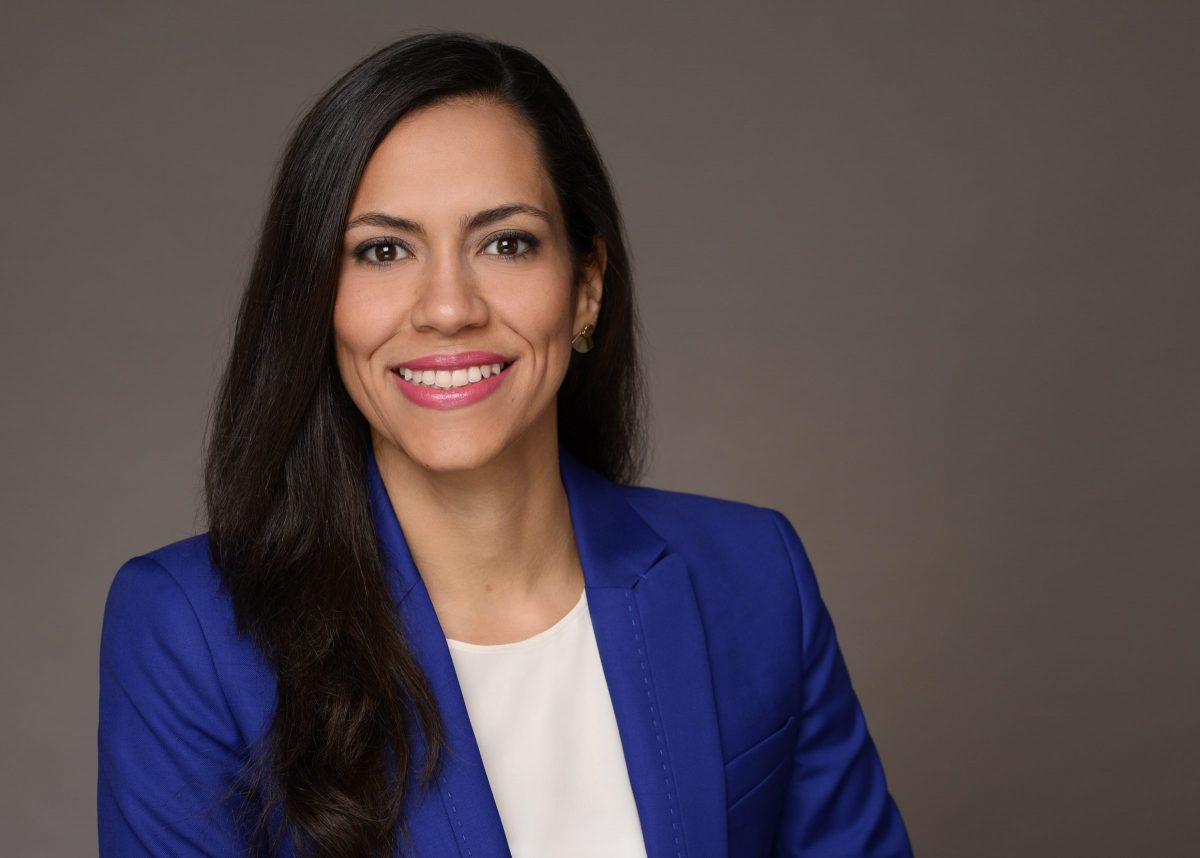
Heba AguibOur economic system rewards profit and neglects sustainability and social added value, even though social, economic, and ecological challenges are growing in complexity faster than ever before. "Zebras" can be defined as startups that are not in "either-or mode": either rapid growth and profit maximization — or exclusively added value for society. Like a real zebra, they are both black and white: they want to be profitable and also have a positive impact. Like real zebras, they often form groups and are therefore good at networking. "Zebra startups" maintain a healthy balance between competition and cooperation.
Top-or-flop culture
The term “zebra” for this type of company was coined in 2017 by the four founders Astrid Scholz, Mara Zepeda, Jennifer Brandel and Aniyia Williams. At that time, they filed a lawsuit in an article in the online magazine Medium the make-or-break culture of the startup scene. The current technology and venture capital structure is broken, they say. It rewards quantity over quality, consumption over creation, quick exits over sustainable growth, and shareholder profits over shared prosperity. Their call for a new "zebra culture" at the time met with strong support. Echo among founders, investors and consultants and resulted in its own movement, Zebras Unite, which more and more startups are joining.
Munich Startup: “Impact” has become quite a buzzword in the startup scene — what constitutes a “real difference” or “real added value” for you?
Heba Aguib: For me, a startup creates real added value when its business model is fundamentally focused on solving one of the global challenges—be it poverty, climate change, hunger, or war. It is not enough for a portion of the profits to flow to a good cause. As a form of charity, this impact ultimately always remains dependent on management decisions and can be quickly discontinued in difficult economic times. On the other hand, startups whose core business and end product serve the good of humanity generate reliable and sustainable added value. A startup that can contribute its product or innovative approach to the fight against COVID-19 would certainly be the most striking example of a startup generating real impact today.
Orientation towards the United Nations Sustainable Development Goals
The United Nations Agenda 2030 shows in which areas startups can make such a difference with a comprehensive list of 17 sustainable development goals. Accelerator Respond We are also guided by the 2030 Agenda and have focused on three goals for the first year: Goal 8, decent work and economic growth; Goal 9, industry, innovation and infrastructure; and Goal 11, sustainable cities and communities.
Munich Startup: What hurdles do Zebra founders often face?
Heba AguibWhat zebras are currently lacking in the startup scene is attention! Everything still revolves around the search for the next unicorn and the next billion-dollar exit. Sustainability topics are also on the rise, but they don't always play the biggest role in large-scale funding. Furthermore, the media presence of climate and environmental protection means that the public is primarily paying attention to startups that focus on greentech. While these can make an important contribution to the fight against climate change, a one-sided focus of the public debate carries the risk that other areas in which numerous zebras are also active will receive less attention. Ultimately, all of this leads to zebras having a particularly hard time attracting attention and thus also finding financing or suitable accelerators.
Munich Startup: What approaches do Zebra startups use to be both profitable and sustainable?
Heba AguibIn their efforts to achieve the Sustainable Development Goals, zebras have already developed diverse and creative solutions—whether they're supporting responsible consumption through the sale of fairly produced products, contributing to better nutrition for the growing world population through new farming methods, or tackling sanitation and water supply problems with innovative technologies. The list goes on.
Munich Startup: What do investors think of startups that no longer necessarily want to become unicorns?
Heba Aguib: The topic of sustainability has also been positively received by many investors. A group of 20 well-known venture capitalists recently committed to investing only in companies that measure, reduce, and offset their CO2 emissions. However, it remains to be seen to what extent this trend will have a lasting impact on the entire investment landscape.
“But before zebra culture can break the primacy of the unicorn, there is certainly still a long way to go.”
But I believe that zebras will soon be considered "good form" in portfolios. And here, too, the coronavirus crisis could cause investors to switch from unicorns to zebras. And honestly, the comparison images already make it clear: In real life, there are certainly zebras, but not unicorns. But we certainly still have a long way to go before zebra culture can break the primacy of the unicorn.
Munich Startup: What challenges do Zebras face in terms of financing opportunities and programs for their model?
Heba Aguib: Here I clearly mention the definition of Key Performance Indicators (KPIs) and the measurability of impact. Impact is difficult to quantify and must be evaluated in addition to profit. This is important both for startups to assess the value of their contribution and to convince investors. Programs that balance impact and profit are rare. We at the BMW Foundation have responded to this need and developed Respond together with the UnternehmerTUM We bring both ecosystems together and drive change.
Munich Startup: Which zebras have particularly impressed you recently?
Heba Aguib: I'm constantly coming across new companies whose ideas impress me. If I had to choose, I'd say the search engine Ecosia, which plants trees for free for its users, particularly impresses me. A great idea that combines everyday online searches with environmental protection. Lemonaid, a lemonade made from fair trade products or Folkdays, a label for fair trade products and design, also convinces me because they make it easy for consumers to make better, more sustainable purchasing decisions.