Recup is expanding its offering: In addition to the reusable deposit system for coffee cups, the Munich-based startup will also be offering a deposit system for takeaway food under the name Rebowl starting January 13. Rebowl will initially be available in select stores in Munich, Cologne, and Berlin. The system is scheduled to be rolled out nationwide by summer.
For three years now, Recup nationwide as a reusable deposit system for coffee cups. Consumers can currently take coffee-to-go in the Munich-based company's deposit cups at around 3,500 distribution points. As a next step, Recup now also wants to
Changing the takeaway food game. Rebowl, the deposit system for take-away packaging, is intended to establish itself as a sustainable alternative to conventional disposable to-go packaging and to contribute to saving resources in the food sector.
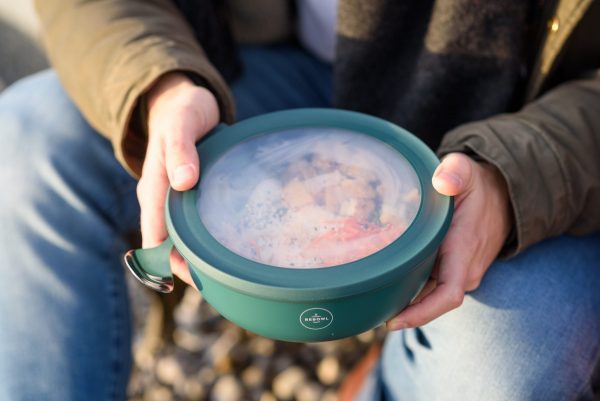
Before the official launch in spring, the Rebowl team plans to gather further experience with the system and the deposit amount through two beta phases in Cologne, Munich, and Berlin. While the feedback on the bowl from the first test phase is currently being incorporated into the product development of the final Rebowl, the system itself will be the focus of the upcoming test phases. The three test locations are intended to determine whether there are regional differences and whether the deposit amount influences the use of the reusable bowl.
These Munich stores are participating
Starting January 13, Munich residents can order their lunches from Heartbeet, Popp á midi, and Orange Box at Rebowl. Munich's organic supermarket Vollcorner will open a branch in February. The partners will test the deposit system for three months, allowing their customers to choose reusable takeaway options. Based on the experience gathered, a system tailored to current needs and requirements will be introduced this summer.
The move into the food sector is no coincidence: In a Pilot phase in summer 2019 In Munich, a catalog of criteria for the reusable bowl was researched using a prototype, including size and shape. The Munich-based startup then began searching for a suitable material for the bowls that would meet all the requirements of a deposit system and also have the most positive environmental impact possible.