Collaboration in startups is often anything but traditional. New approaches to teamwork and leadership are required to fully exploit the team's potential for creativity and innovation. Psychological research shows how you can achieve this. A guest article by Karolina Nieberle.
"Creativity is not a talent. It is a way of operating."
— John Cleeve
Creativity—the ability to generate new and useful ideas, solutions, or products—lies dormant in each of us. How can this innovative potential be fully utilized in a team? Here are some tips from psychological research that will help you do just that.
Building the shared vision
Anyone who demands creative performance and change must offer meaning! We achieve this through a shared vision. A vision paints a picture of the future, answering the question "Why do we do something?" rather than "How do we do something?"
Dan Ariely demonstrates the influence of meaning on our work. He paid participants to build several Lego figures. He told one group that all the figures would be collected and used by future participants. A second group had the figures broken in front of the participants' eyes immediately after completion. What did they find? The first group built significantly more figures than the second – it was the minimally discernible meaning that motivated them.
Creating a culture of fairness
Entrepreneurial activity is often associated with disappointments: It's impossible to accommodate everyone's wishes. A culture of fairness can help you fully exploit the team's innovation potential.
Psychology distinguishes between four types of fairness: Fairness of results (fair distribution of resources such as salary), Informational fairness (Transparent communication without hidden agenda), Procedural fairness (fair processes and decisions) and Interpersonal fairness (respectful interpersonal interaction).
Interpersonal and procedural fairness are particularly important for creative work: Treating each person in the team with respect, regulating processes fairly and transparently, and giving all team members the opportunity to freely express their opinions – these are clear recommendations from research. For example, one study on this topic showed that test subjects who were allowed to explain their ideas after completing a task performed better in creativity tests one week later than those who were denied this opportunity.
Dream Team Startup – How are you doing?
Would you like to learn more about your own collaboration? Would you like to learn more about psychological research? A research project at LMU Munich is currently offering startups and innovative teams an exclusive opportunity for feedback, team reflection, and team development. We are researching how creative work actually works in teams.
We'll conduct short telephone interviews (approximately 20 minutes) and visit you for an exciting team event (approximately 30 minutes). You'll also have the chance to participate in a personalized LMU team workshop and receive €100 vouchers for a team dinner. This offer is limited to a limited number of teams: first come, first served.
The project is part of a research collaboration between the LMU Center for Leadership and People Management and Durham University Business School (UK).
About the author
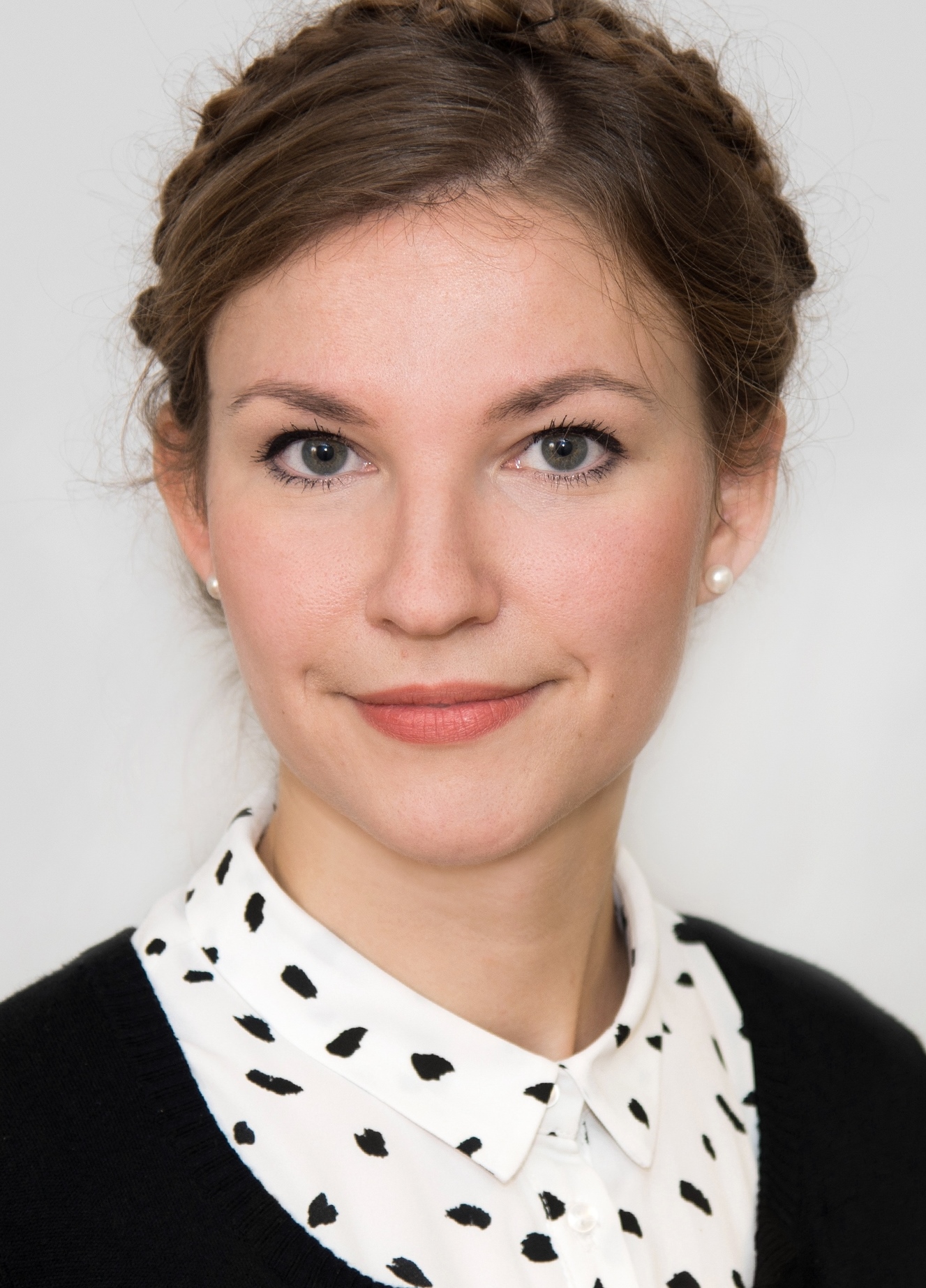 Karolina Nieberle, M.Sc. Psych., studied psychology in Ulm and Munich. She is a trainer and doctoral student at the LMU Center for Leadership and People Management. Her doctoral research focuses on leadership, teamwork, and creativity. In her practice, she coaches academics at LMU Munich, supports innovative projects in higher education with the "Multiplier Program," and is a lecturer at the Munich University of Music and Performing Arts.
Interested in participating in the project? Just email Karolina.