The Augmented World Expo (AWE) is making its second appearance in Europe today. Following last year's kickoff in Berlin, the European AR and VR scene is meeting this time at Munich's MOC.
Although virtual reality (VR) also plays a role, the focus of AWE Europe is clearly on augmented reality (AR). The technology became widely known through the game Pokémon Go: Through the smartphone display, the user sees the normal image from the phone's camera. However, the Pokémon fantasy creatures also live on the desk, in the car, on the side of the road, or in the playground—ordinary reality is augmented.
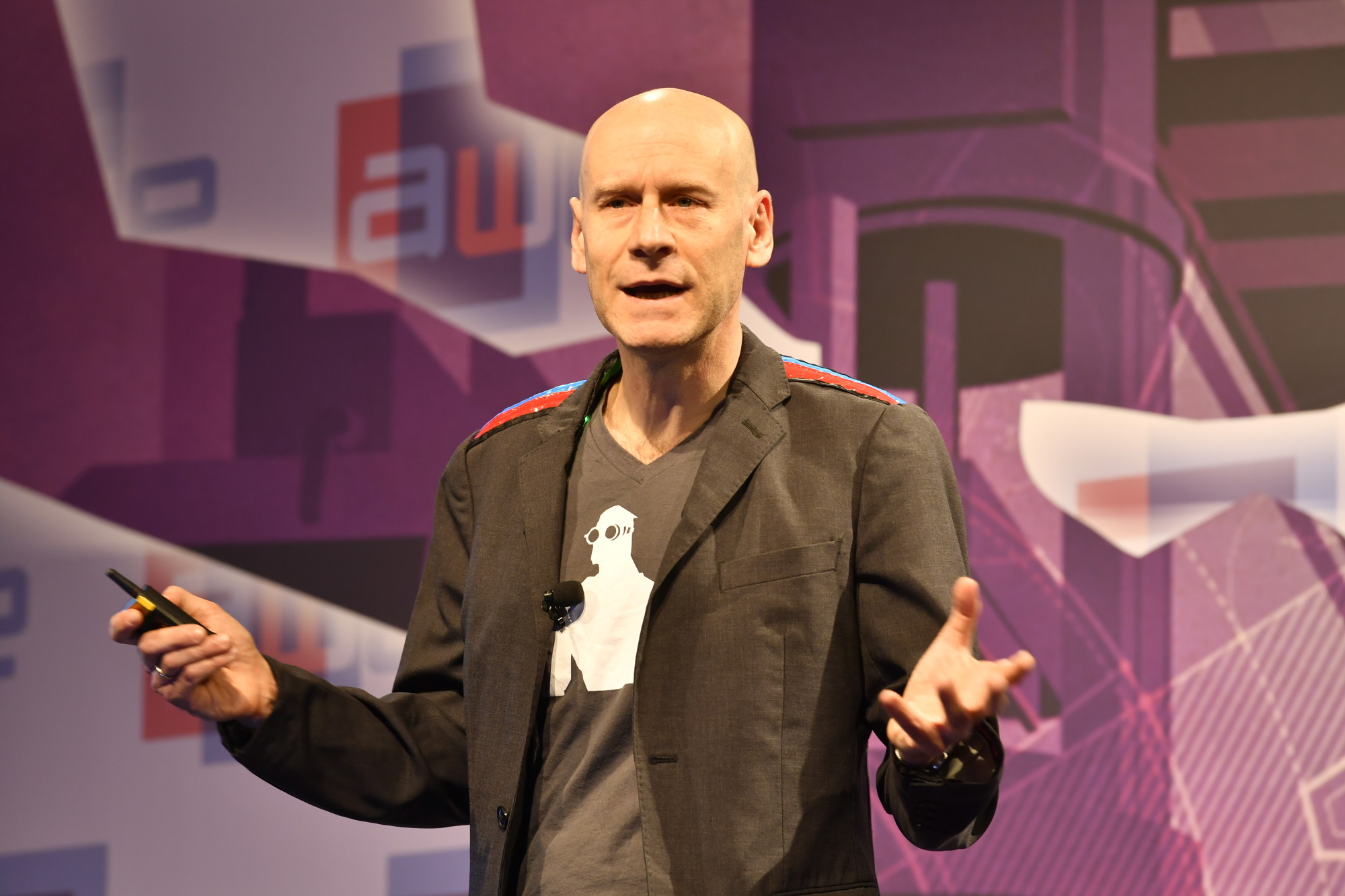
The technology becomes particularly interesting when combined with smart glasses, where the user no longer has to look through their smartphone or tablet to see the augmented reality, but instead the additional information is displayed directly in their field of vision. AWE founder Ori Inbar sees in technology the possibility of improving people themselves: constant access to essentially infinite information gives people superpowers.
Augmented Reality for technicians and medical professionals
Be more specific Jay Kim from AR software developer Upskill, Jay Kothari, who is responsible for the data glasses Google Glass and Michael Terrell from Coca-Cola. The speakers will explain how the combination of Glass and Upskill software can save time: For example, a technician can see which parts of a vending machine need to be repaired and how, without having to look at the instructions.
Bosch is also working on AR solutions for workshops. This would enable auto mechanics to work 15 percent faster. Further applications include medicine, for example, where doctors can automatically view the patient's X-ray images and medical records during rounds.
Ori Inbar expects the trade fair to provide a boost for the topic and for Munich as a location:
“AWE is helping drive the region's excitement around AR and VR — specifically for enterprise's building applications in automotive, manufacturing, field services and large retailers and creators who are defining a new user experience for this next wave of computing — and helping to turn Munich into the next Silicon Valley.”
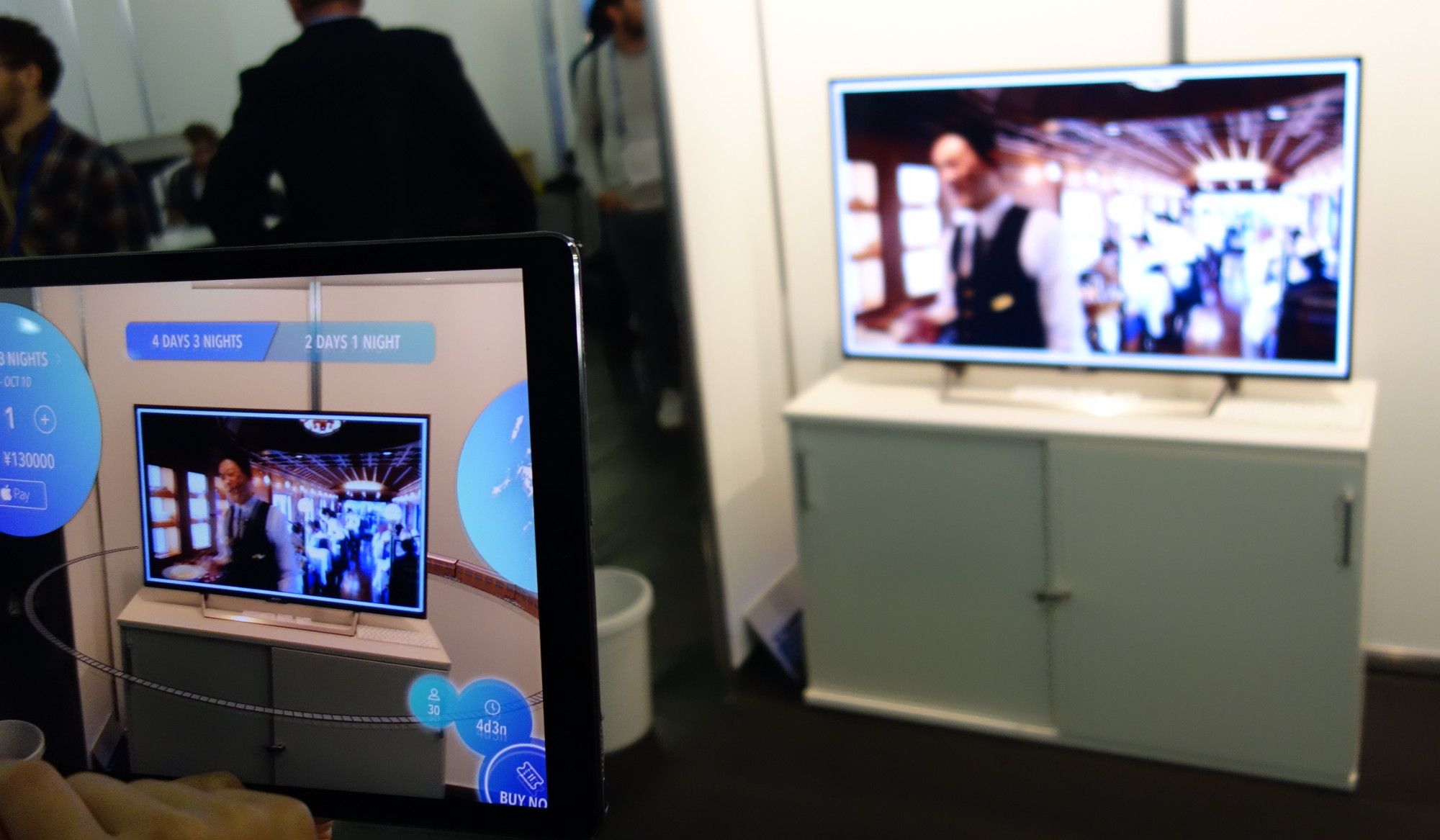
Second Screen 2.0
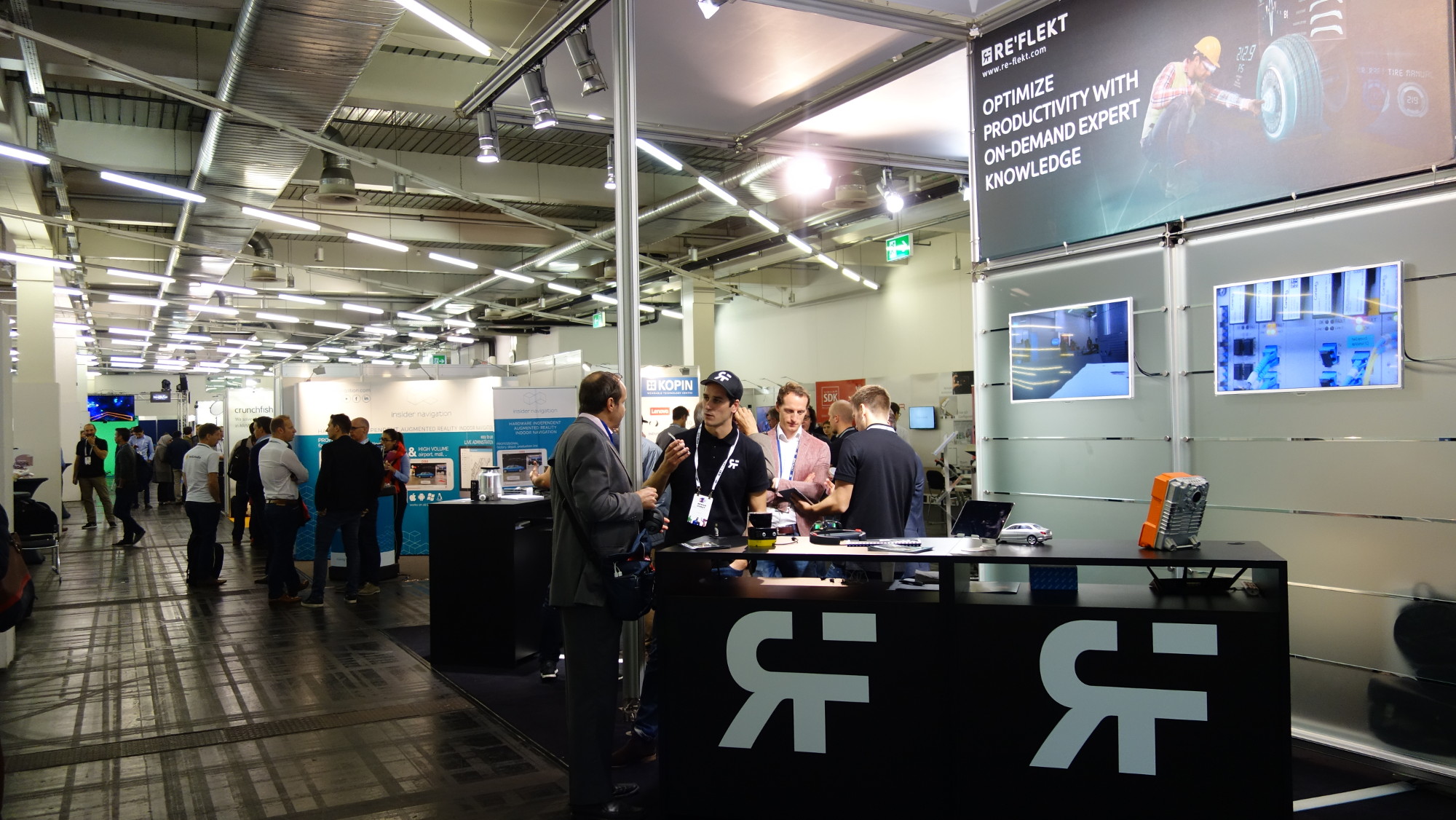
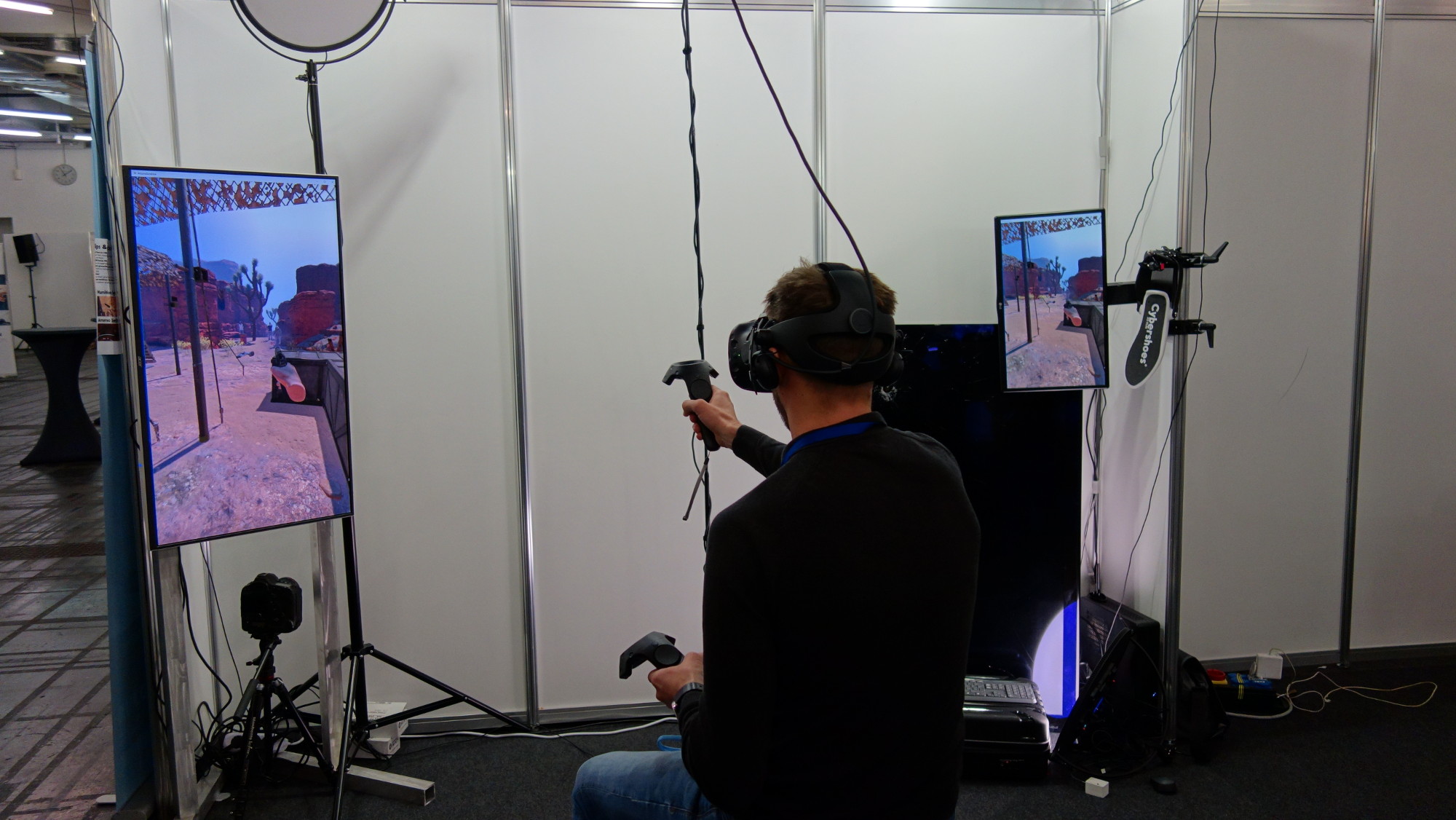
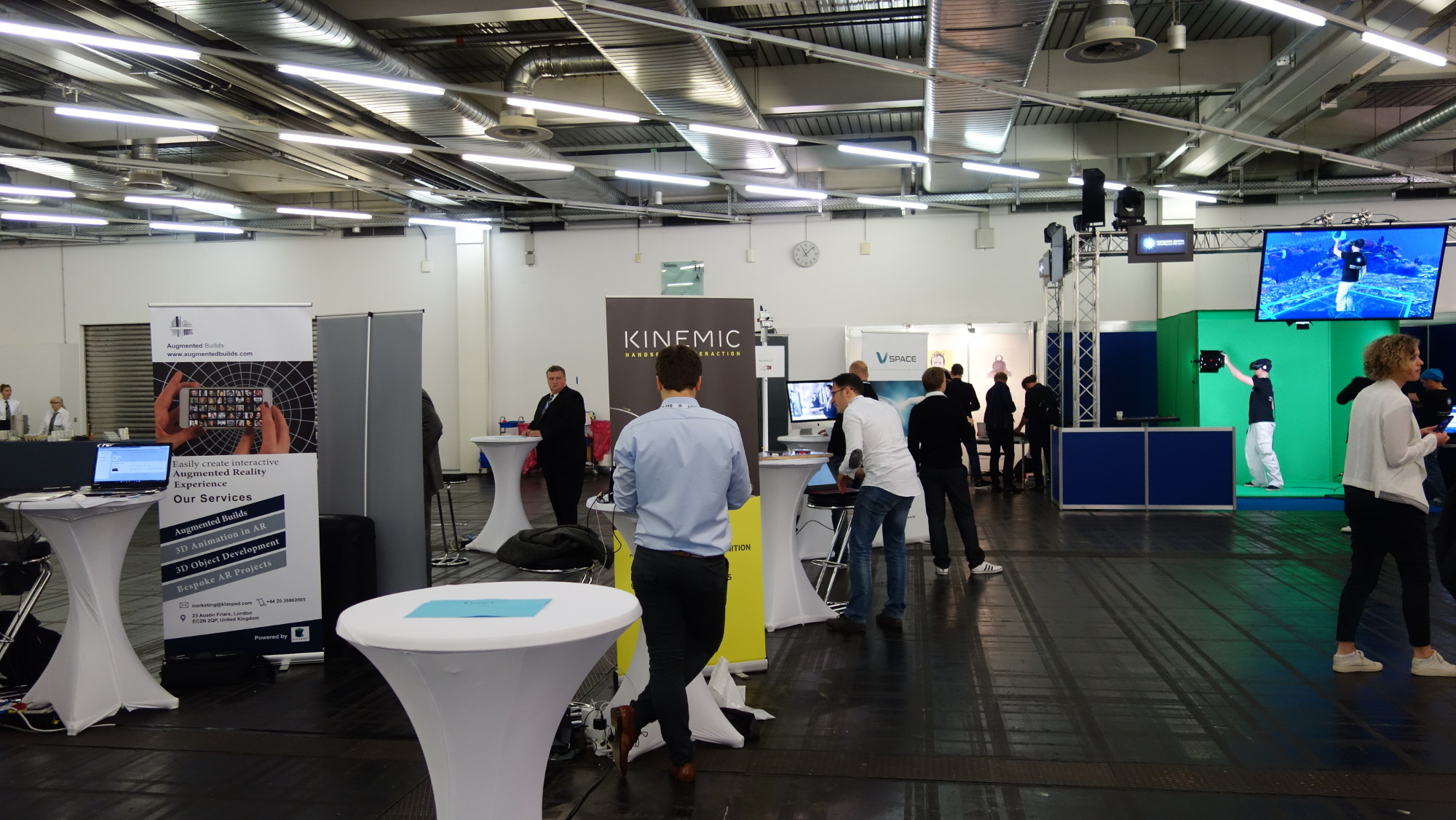
In a dedicated exhibition hall at the MOC, more than 90 companies will be showcasing their AR and VR products. The range of topics is broad, from work to entertainment applications. The technology from the Munich startup Eyecandylab, for example, is particularly exciting. A corresponding app on a smartphone or tablet enhances the TV picture with additional information: The user looks through their device at the TV and sees other relevant content around it. From November 6th to 10th, viewers can try out the technology for themselves on the Pro7 program "Galileo."