Music, books, art, film, design, games—the cultural and creative industries are multifaceted. Cultural entrepreneurs and experts share how the industry operates.
At first it sounds Cultural and creative industries a contradiction in terms: Here creativity, there its commercial exploitation. The term "startup" already contains both, says the Munich sociologist Armin Nassehi to the BR magazine Capriccio:
“'Startup means that you […] belong to a new social class, namely the creatives, that is, to those who, by their very nature, actually reject what they are doing, namely developing a business model.”
For Nassehi, startups are creative entrepreneurs against their will. We spoke with some players in the creative industries: What connection does the scene itself see between cultural production, entrepreneurship, and startups?
“Exploiters” with cultural aspirations
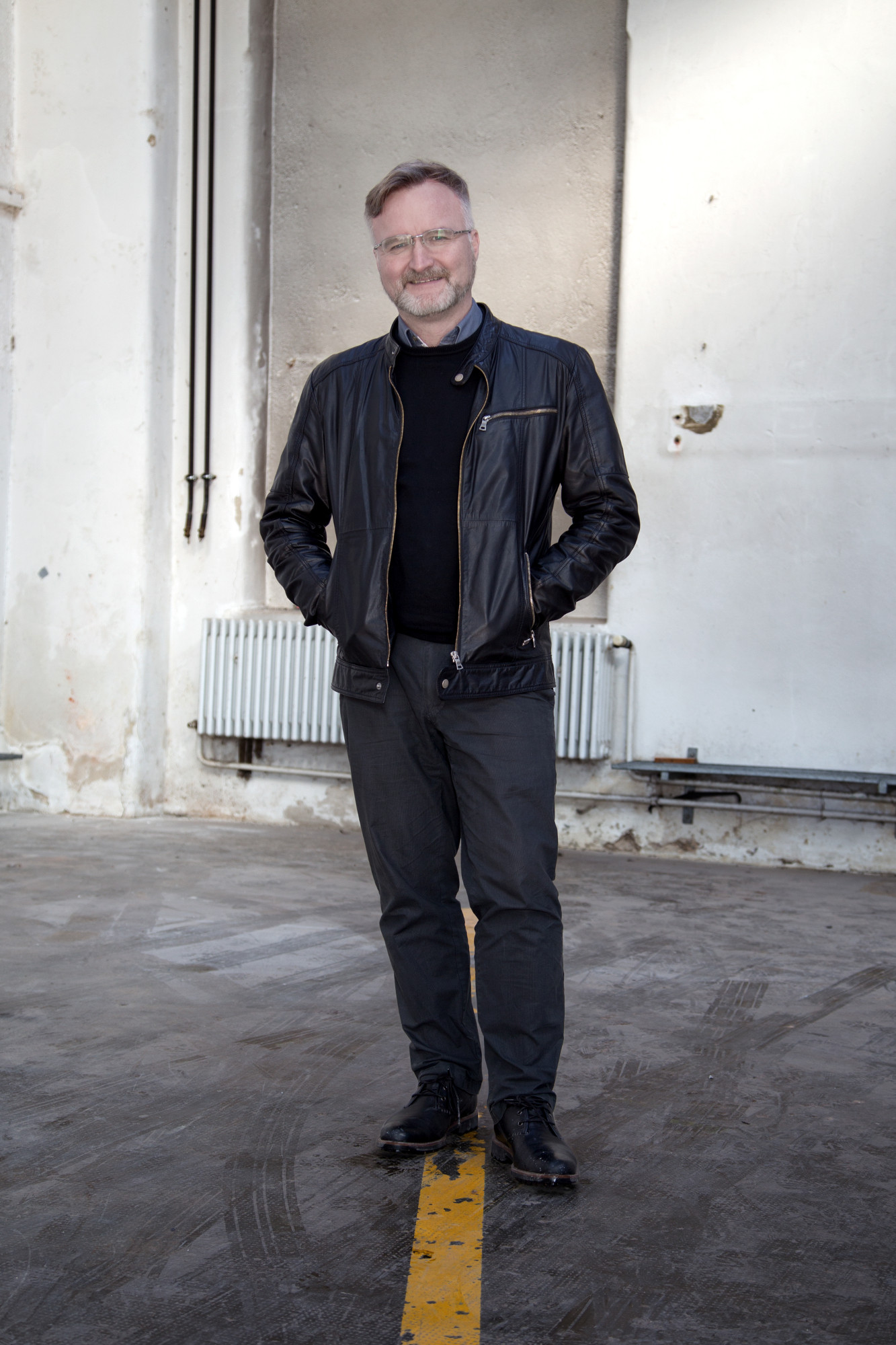
One person who should know is Jürgen Enninger, Head of Competence teams for the cultural and creative industries of the City of MunichThe 48-year-old is considered a prominent supporter of the creative industries in Germany and also represents a nationwide funding network as one of two speakers. In his position as Munich's top creative industry promoter, Enninger also represents the Europe's second most important creative location.
We asked Enninger what distinguishes a cultural entrepreneur. Are there any differences between him and other startup founders?
"The classic cultural entrepreneur is someone who has a great enthusiasm for some kind of cultural creation, but for some reason hasn't become an artist themselves. The ugly term is: exploiter."
(© designliga – City of Munich)
However, since artists and creative people also exploit their own works, the transition from cultural entrepreneur to artist is often fluid:
"The core motivation of many who are involved in the exploitation of culture is their great enthusiasm for cultural creation. This often makes entrepreneurship difficult."
This is reminiscent of the words of Munich professor Nassehi: creative people who are more enthusiastic about culture than entrepreneurship. This is also due to the cultural sector's reservations about entrepreneurship, says Enninger:
"For very few people, it is primarily about making money and scaling. They settle for a subsistence-sustaining exploitation context satisfied. Classic examples are music or book publishers, who make as much loss as profit and end up with nothing."
The goal of many small businesses that shape the industry is cultural production itself. And thus, they become—without intending to—the economic engine of cultural creation.
Hobby or economic factor?
Maurice Lausberg, Head of the Institute for Cultural Management at the Munich University of Music and Theatre, sees further reasons for the reservations between cultural workers and entrepreneurs:
"Often the market is too small or has low growth, the business models are rarely scalable or [they are] not profitable, and often the cost of marketing expenditure is too high compared to the revenue generated."
As a result, there are hardly any large companies in the creative industries as defined by the classic EU definition. According to Jürgen Enninger, industry giants like Random House or Sony are actually medium-sized enterprises. The creative industry's medium-sized enterprises, where the majority of value creation takes place, consist primarily of companies with three to ten employees. In addition, there is an army of freelancers who work on a project-related basis in a network with micro-enterprises.
This fragmented nature of the industry and its partly anti-entrepreneurial self-image are probably also the reasons why its own economic importance was overlooked for a long time. Behind the backs and without the will of the players, so to speak, the hobby industry has become a serious economic sector. Accordingly, a Data report last year, which showed that almost 101,000,000 of all self-employed people and companies in the Munich metropolitan region are active in the cultural and creative industries. 3,810,000 of Munich's economic power comes from the creative sector—astonishing dimensions for a sector that, in the eyes of many, represents triviality and hobbyism.
The “good things” in digital
This passion is also what drives the creative startup scene: For most, it's not about scaling as quickly as possible, market dominance, and success, but about the thing itself. We want to know which topics currently fascinate Jürgen Enninger most:
"Digital always provokes a return to high-quality analogue technology—there's a complete countermovement going on right now: The traditional book market, for example, is doing great at the moment. And there's the incredible growth in the vinyl sector. Analogue marketing is also a hot topic in business right now."
A retro department store has been advertising for years with the slogan "Good things still exist." Even in the digital age, demand for these good things seems to be increasing rather than decreasing:
"That's why I'm so excited about Bohème, because that's exactly what it is: I'm in a café and they offer me a classic magazine rack, but in a new form."
“Looking back, it wasn’t difficult at all to start a company.”
The startup mentioned Bohemian has set itself the goal of preserving Viennese coffee house culture — which is part of the world cultural heritage, as we Amadeo Gaigl, one of the three founders, explains — into the digital age. The Bohème app gives users access to licensed media in participating cafés, shops, bars, and trains: Instead of the newspaper stack of the past, users can read on their own mobile phones while visiting a coffee shop. The driving force behind the three founders, according to Gaigl, is their passion for quality journalism:
“People need more compelling journalistic stories and can understand the world much better than through the loud shouting that prevails in many places on the Internet.”
But why didn't the Bohème founders become journalists themselves? They simply lacked the skills to do so — hence the path to Recycling industryGaigl himself sees no substantial difference between "cultural" young entrepreneurs and other startups. Mutual support is also very strong.
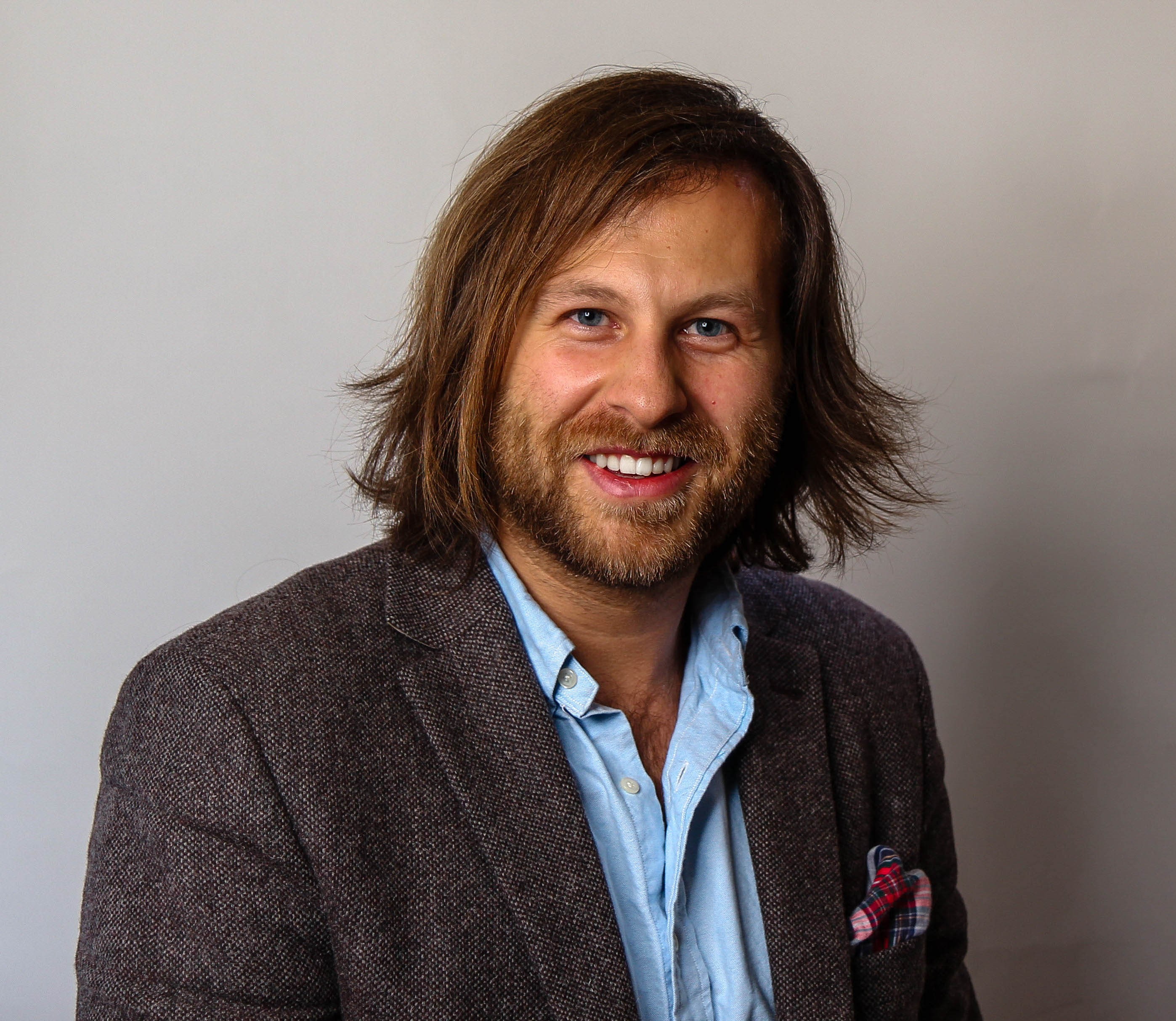
What's striking: The culture startup founders of Bohème seem deeply committed to their mission. The founding story also fits this. Gaigl had been friends with his colleagues Mohsen Fazeliniaki and Vincenzo Di Salvo for some time. The idea for the app wasn't born on paper, but rather on-site at Vienna's Café Sperl.
Of course, there were some difficulties in the process of founding the company, says Gaigl. For example, they initially had no idea how to prepare annual financial statements. However, they worked through any problems that arose step by step:
“Looking back, that’s why it wasn’t difficult at all to start a company.”
The Munich location was also a help:
"As an important media center, Munich is a good market for us. Since I'm from Munich myself, the personal network was also very important for me. And the proximity to Switzerland and Austria is very advantageous in the German-speaking market."
What the young entrepreneur is missing in Munich: a stronger exchange between startups, cultural workers and artists — for example, a platform that brings theater actors and IT developers together over a coffee, because:
“I believe that creative elements have a huge impact on startups, especially in the early stages.”
Perhaps this is what distinguishes the industry: Even more than their own success, many founders are interested in spending quality time with exciting people, exchanging ideas, and advancing their ideas. It's all the better when creative companies also achieve financial success.