
As every year, re:publica invites the digital society to Berlin to reflect on itself. We traveled to the capital and are reporting on the major conference from there!
When asked what re:publica actually is, one quickly thinks of the "digital bohemians," speakers like Sascha Lobo and Edward Snowden, the Pirate Party, gym bags, and laptops—somehow hip, digital, and yet so relevant that even the non-digital world looks to Berlin for a few days. That, at least, is the naive impression.
On the one hand, digitalization has increased so much in recent years that it's no longer possible to distinguish between a digital and a pre-digital world. And re:publica has also grown in terms of its thematic focus. In addition to traditional digital topics, it's now also focused on politics, culture, business, art, and so on—in other words, society. Entrepreneurship, startups, disruptive technologies, and their impact are naturally among the central topics of discussion.
Business ideas from the ball pit
As in previous years, re:publica will take place at STATION Berlin, a former postal station in Kreuzberg. The vast venue will host 8,000 visitors, with 770 speakers speaking on 17 stages over three days.
At the same time and at the same venue, the Media Convention Berlin, a kind of twin conference, is taking place—closely linked to re:publica, included in the visitor ticket, yet perceived as a separate event. The additional media focus makes sense: After all, the media industry is perceived as the largest visitor group, both according to official figures and perceived as such.
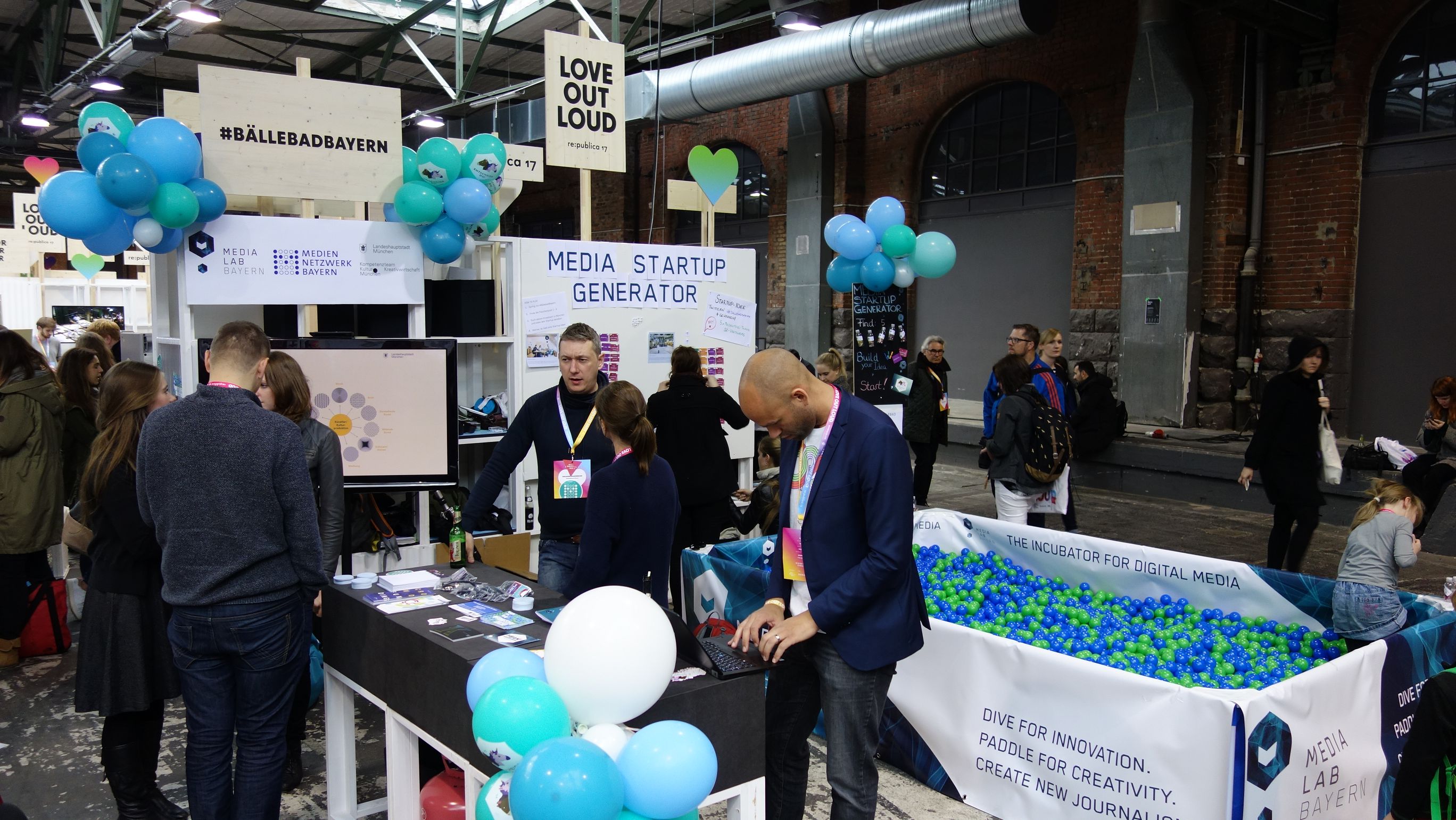
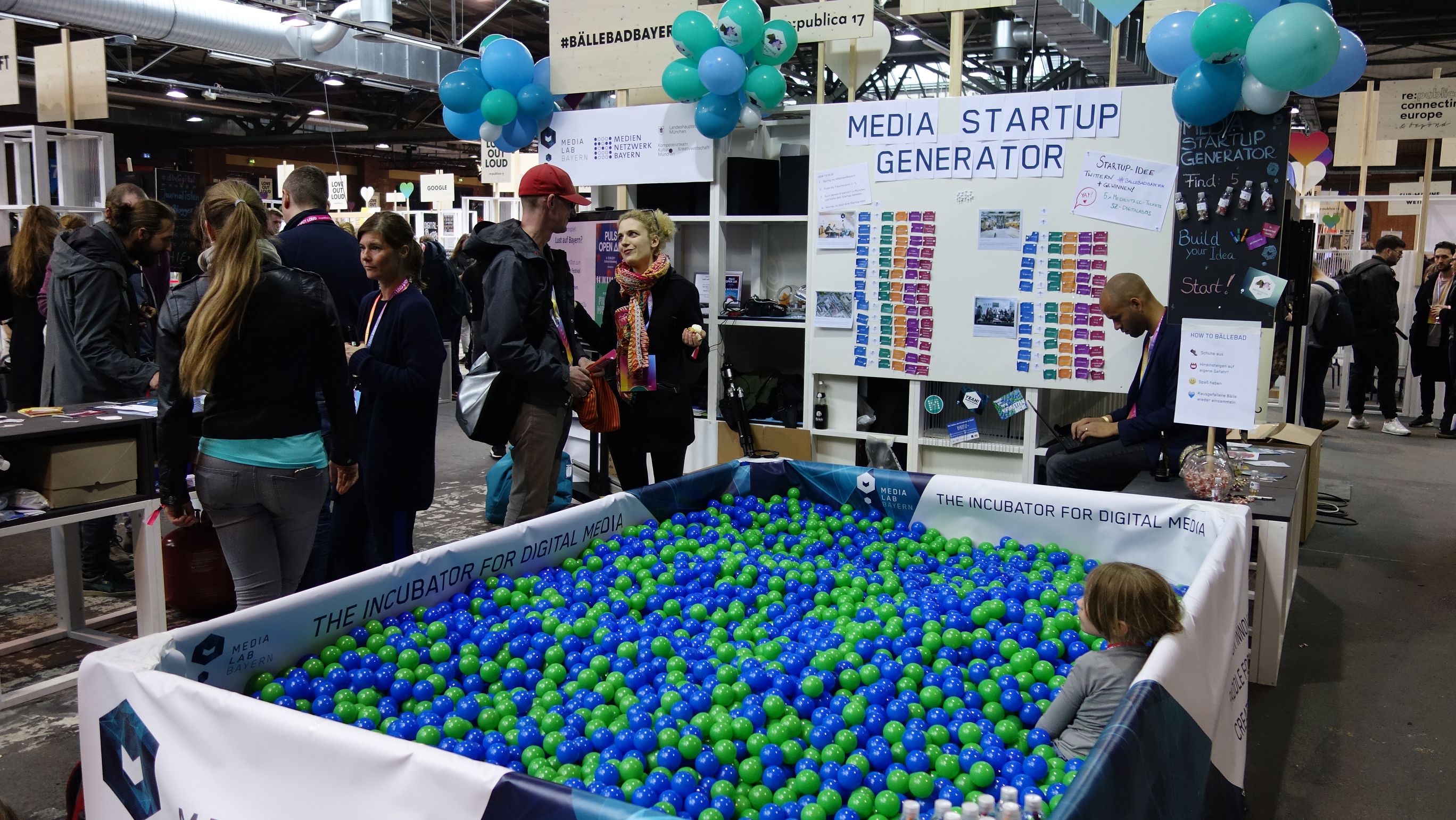
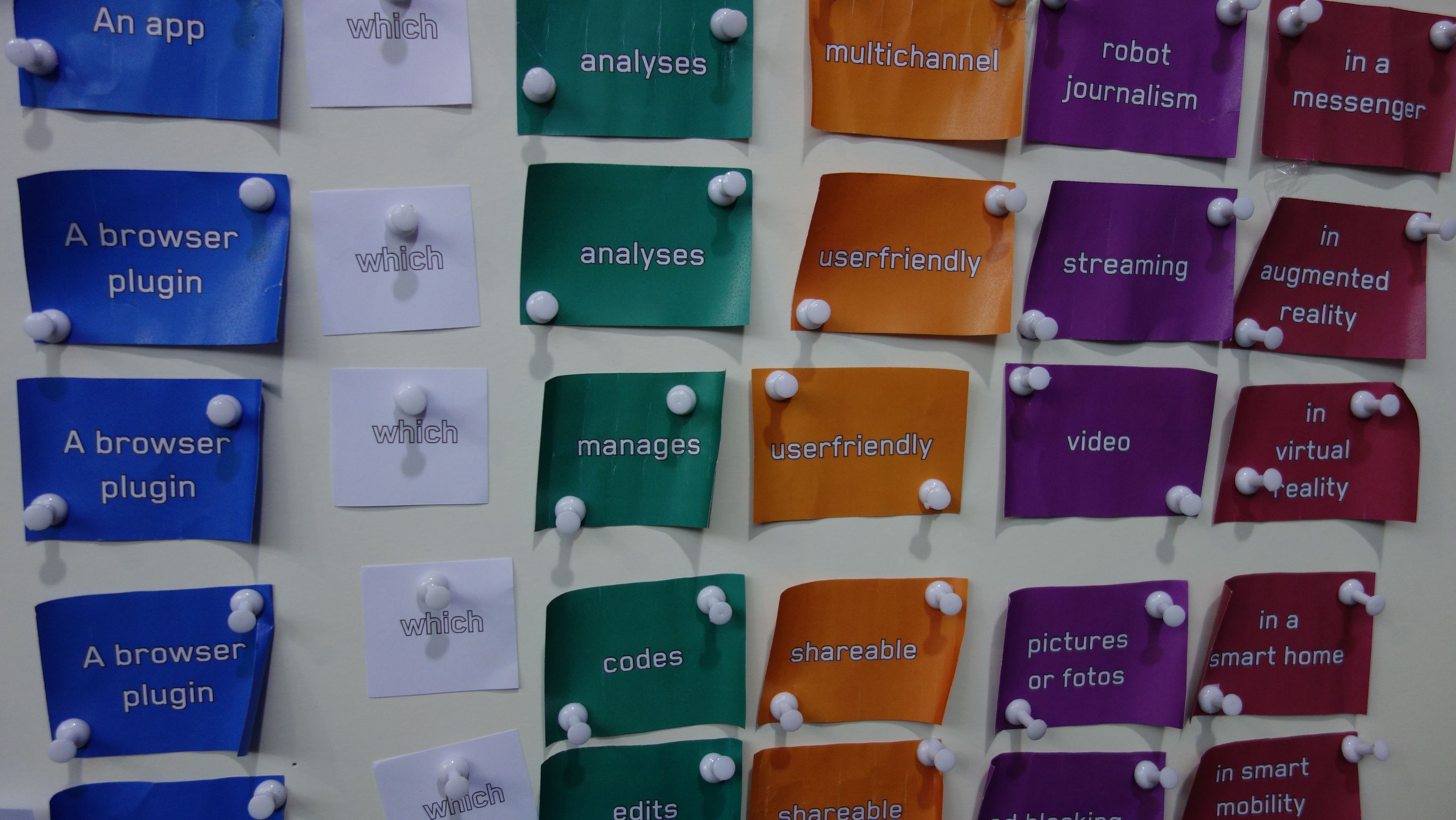
The Bavarian and Munich media industry is also present in Berlin. Media Lab Bayern, the Media Network Bavaria and that Competence team for the cultural and creative industries of the City of Munich share a booth in the main hall. Those who want can dive into a ball pit and search for five differently colored bottles. Inside these bottles are pieces of paper that, when combined, create a unique business idea for a media startup. A startup random generator, so to speak.
Human rights and startups
The last editions of re:publica and Media Convention featured prominent speakers. This year was no different: At the start of the conference, Can Dündar, former editor-in-chief of Cumhuriyet living in exile in Berlin, expressed solidarity with imprisoned journalists. Also speaking on the first day was the human rights activist and former world chess champion Garry Kasparov, ZDF anchorman Claus Kleber and Federal Minister for Economic Affairs Brigitte Zypries.
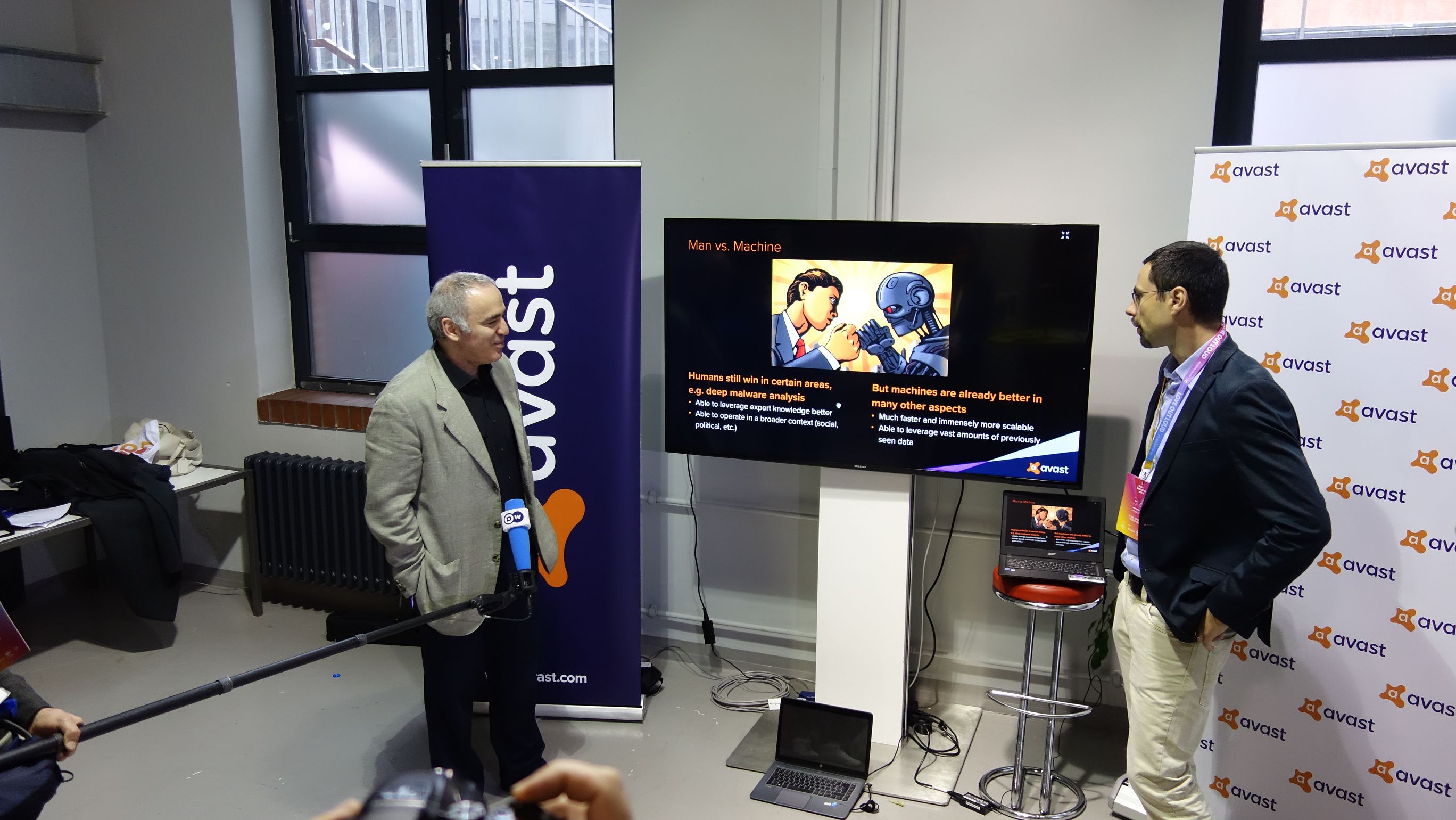
Kasparov is intensively involved with artificial intelligence and human-machine interactions (think of his legendary chess games against the IBM supercomputer Deep Blue), and defends individual human rights as part of his work for the Human Rights Foundation. He essentially embodies some of the conference's core themes. Accordingly, the turnout for his speech on the role of free information for democracy and the current role of propaganda in totalitarian regimes was large. He previously sounded out the possibilities in a small press conference together with Ondrej Vlcek, CTO of Avast, explains the connection between cybersecurity and artificial intelligence.
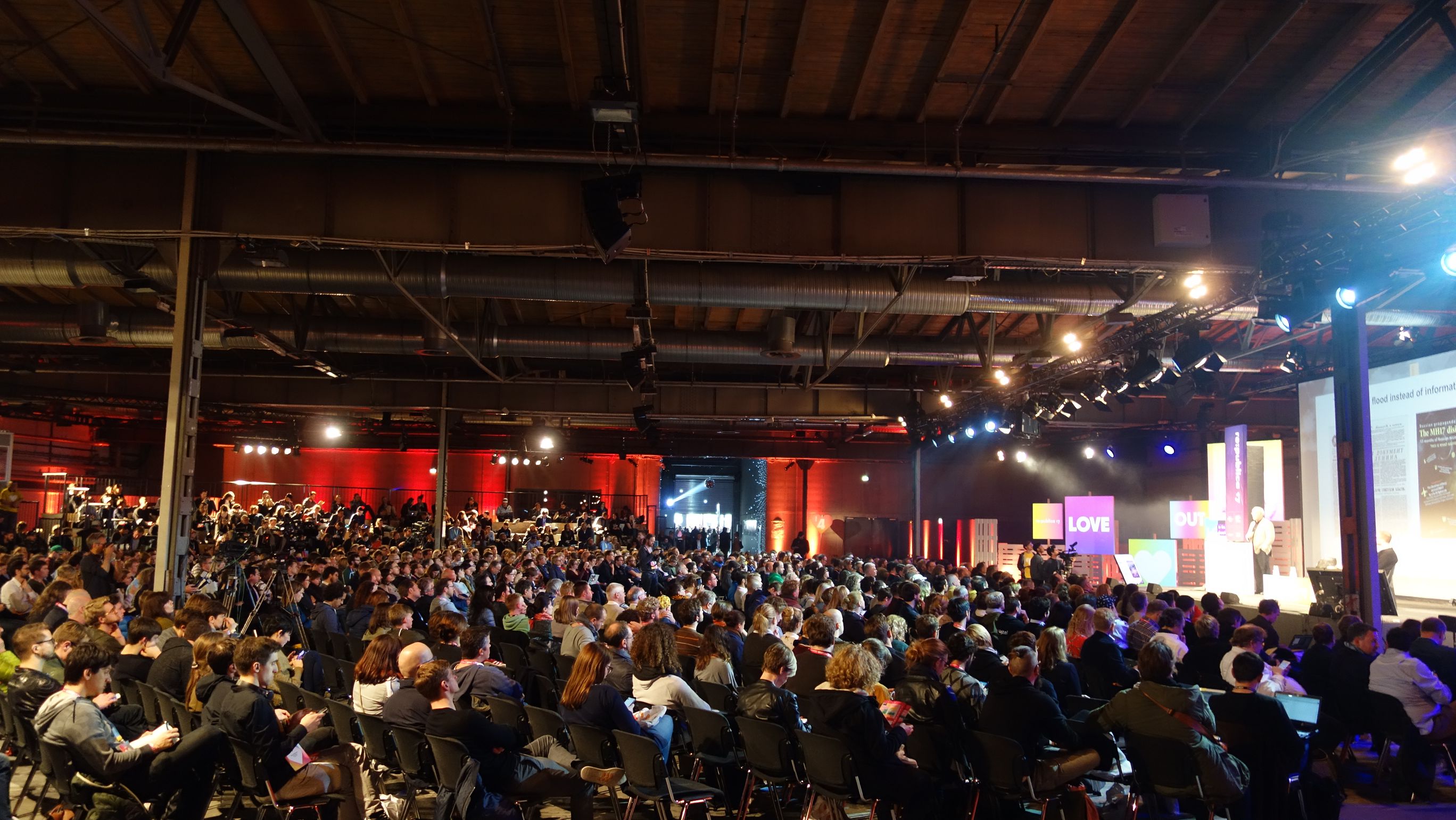
In a town hall meeting, the relatively new Federal Minister for Economic Affairs, Brigitte Zypries, addressed the audience. She first promoted the in-house funding instruments such as EXIST and INVEST and proudly pointed to the Digital Hub InitiativeMunich was chosen as Germany's digital hub for mobility Recently, the Bavarian Minister of Economic Affairs, Ilse Aigner, announced that the Munich hub will also be expanded to include the The focus on InsurTech is expanded.
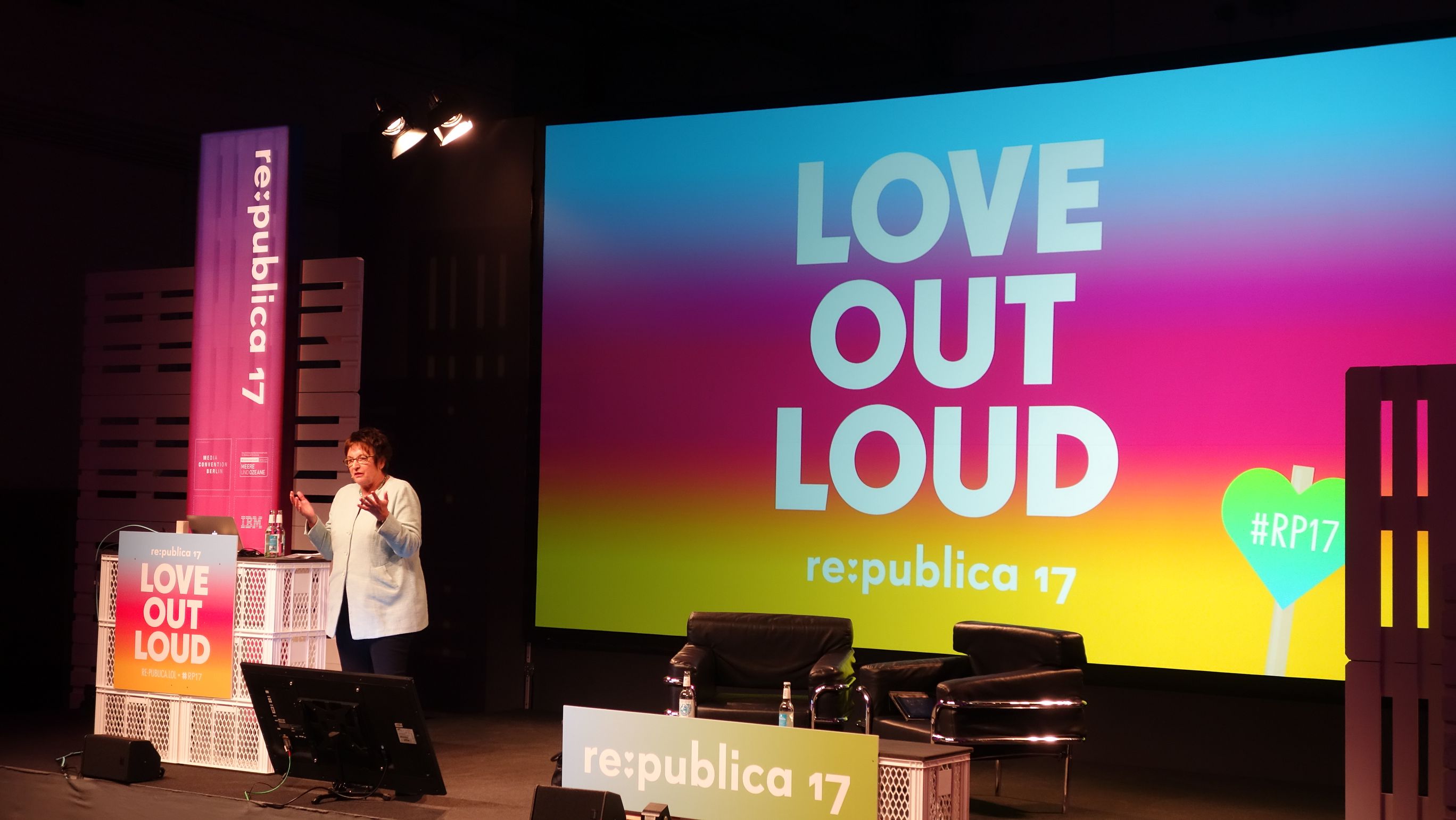
Several questioners from the audience, however, complained that their city or state had missed out on the digital hubs. The minister promised to take this into account when awarding future hotspots. Zypries also made a point of engaging with the startup-savvy audience and promised to explore whether EXIST could be opened up even more to target groups beyond university graduates.
Zypries' appearance before the startup and digital scene shows that the issues discussed at re:publica have long been among the core topics of a Federal Minister for Economic Affairs.

