Anyone wanting to implement disruptive innovations in the healthcare sector in Germany doesn't have it easy. The laws and regulations often pose too great a hurdle for startups to enter the market. The Munich-based startup TeleClinic has nevertheless dared to launch an online health platform through which patients can speak to a specialist from anywhere.
What led to the development of a digital, innovative concept in the field of telemedicine? Prof. Dr. Reinhard Meier, a radiologist at the Klinikum rechts der Isar Munich and the University Hospital Ulm, had observed the trend toward telemedicine in the USA and seen a tremendous increase in benefits for patients.
Through joint research on innovation in highly regulated markets at Center for Digital Technology and Management (CDTM) Prof. Dr. Meier and Katharina Jünger, founder and CEO of TeleClinic, came up with the idea of combining their experience from the USA with their knowledge of regulated markets. While searching for a specialized partner in information technology, they encountered Patrick Palacin at the Technical University of Munich, who studied business informatics there and joined the founding team.
Patients shy away from waiting times and travel
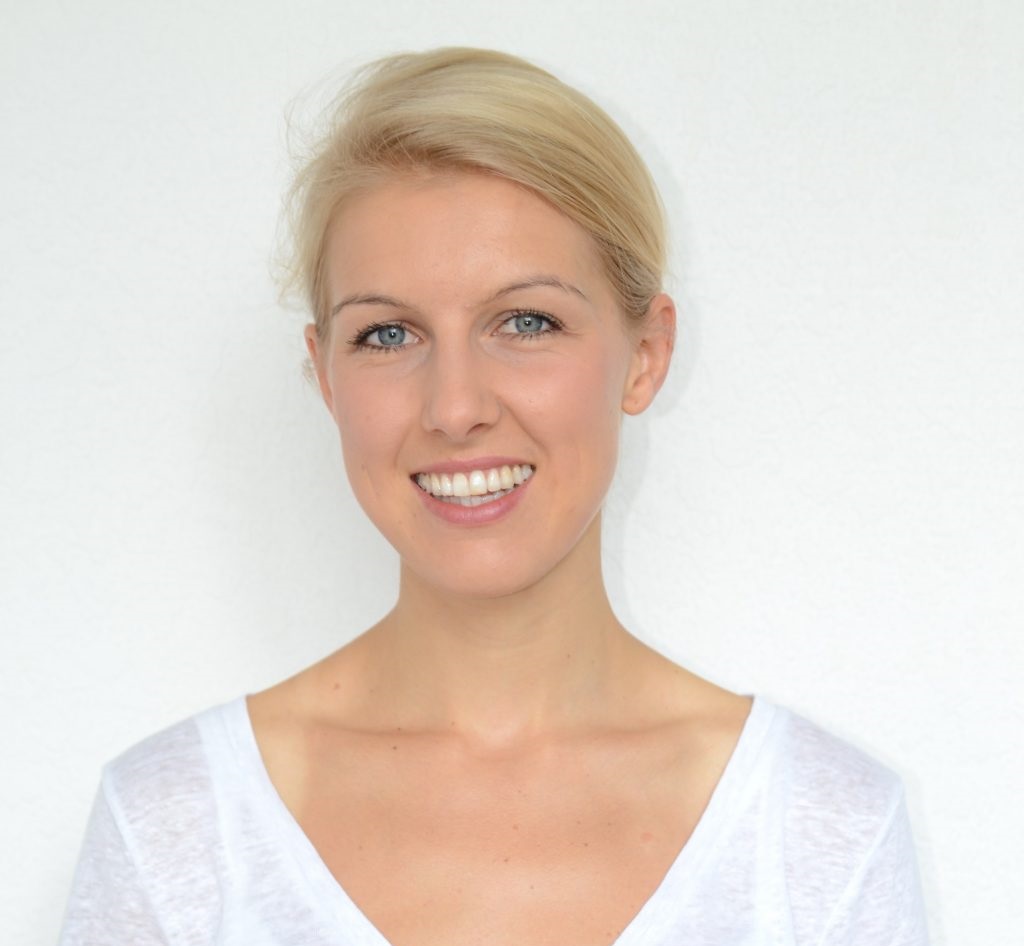 "We want to ensure that patients don't have to travel to a doctor's office. Our services enable people with limited mobility, such as young parents, busy professionals, or the elderly, to continue receiving excellent medical advice."
Founder Jünger describes the benefits for customers. No waiting times for a doctor's appointment, no sitting for hours in overcrowded waiting rooms, no need to go to the emergency room on weekends – this is a huge relief for many patients.
Healthcare system can benefit from telemedicine
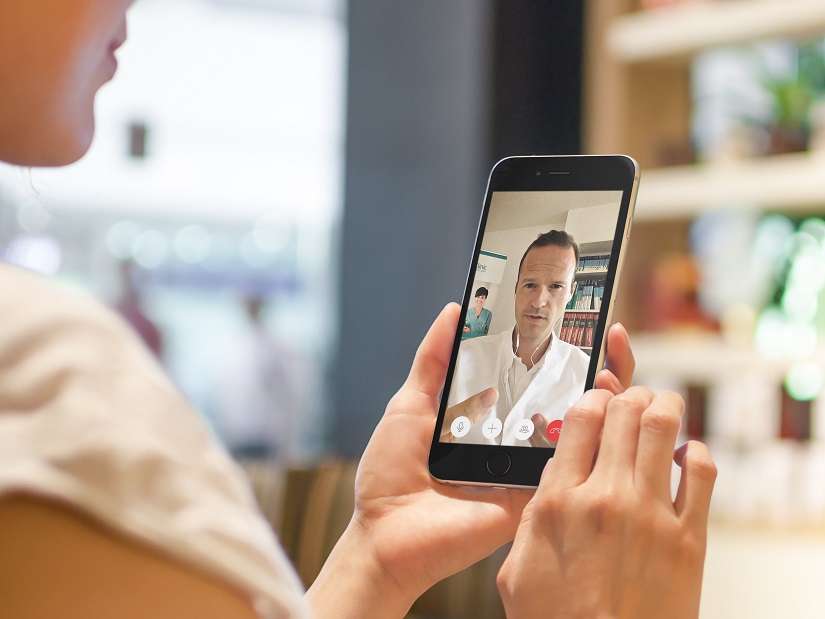
In addition, the healthcare system itself also benefits from the possibilities of telemedicine. Emergency rooms are relieved by allowing patients to answer questions such as “Do I need to go to an emergency doctor or is it enough if I go to the doctor’s office the next day?” or “My child has a high fever, what should I do?” can be clarified directly. It's usually quick, too: The average wait time for a call with TeleClinic is only three minutes. A consultation, on the other hand, takes as long as it takes to answer the patient's questions. On average, this takes ten to fifteen minutes.
Although the doctors providing consultations via TeleClinic are not yet legally permitted to diagnose or issue prescriptions, the service is well received. Up to 150 people currently use the service every day. The average age is 57. Patients are particularly interested in obtaining a second opinion via video chat, for example, for back problems or skin rashes. Research requests for nearby specialists are also frequently submitted.
Germany has some catching up to do
The E-Health Act has included telemedicine in its roadmap. The law stipulates that starting in July 2017, health insurance companies will cover the costs of online video consultations if the doctor has previously seen the patient in person. While TeleClinic doesn't directly benefit from this, it sees it as a step in the right direction. It will ultimately increase awareness and acceptance of video consultations with a doctor.
Other European countries are already much further ahead. Telemedicine services have been available in Switzerland and Great Britain for some time. Several other providers in Germany also offer a medical advice hotline or online video consultation. TeleClinic, in turn, combines both. Telephone consultations are particularly useful for older people. And video chat via computer or app is exciting for people on the go, whether on business trips or vacation.
Founder's grant and venture capital for TeleClinic
The company was founded in 2015 and officially launched in May 2016. The Munich-based startup now has over 1,500 active users, who can receive advice from around 150 specialists from around 30 different disciplines. The young company's team currently consists of 26 employees, with additional positions currently open.
The founders were supported until autumn 2016 by the Exist Founder's GrantVarious business angels also stepped in as venture capitalists for seed financing. This enabled the startup to establish a total financial foundation of 600,000 euros.
And what's next? Katharina Jünger says:
“Since Germany will soon have to adapt to digitalization, as has already happened in other countries, we see TeleClinic as an important step towards a revolutionized healthcare market in Germany.”
Munich Startup wishes the founders and TeleClinic much success in revolutionizing the German healthcare industry and on their future path.