Get one, give one – With this concept, a Munich startup aims to help ensure that as many schoolchildren in Afghanistan as possible no longer have to leave the house barefoot. How shoemates brings espadrilles and social entrepreneurship together.
It all started with hats. Or rather, with hats that elderly ladies from Passau knitted from Peruvian wool. From the experiences, success, and values of headmates, is ultimately the idea for shoemates was born: a startup that sells espadrilles, moccasins, and many other types of shoes for women and men. With the unique feature that for every pair of shoes sold, the startup also donates a pair of children's shoes to needy students in Afghanistan. Get one, give one!

As part of a 5-euro business competition at the University of Passau, the shoemates concept was put to the test for the first time, the idea validated, and tested for feasibility. The results were very positive: The shoemates team, led by founder Obaid Rahimi, successfully prevailed against nine other startups and took first place.
Shoemates remained not just a good idea, but was also put into practice. The goal:
"We want to establish ourselves in the field of 'social business for shoes' and stand for a high-quality and fashionable as well as sustainable and social product."
“We” are currently founders Obaid (29), Julia (25), responsible for social media, content marketing and PR, and Anna (26), responsible for customer support via email and live chat on the website.
“The donated shoes are produced in Afghanistan”
A look into the Online shop demonstrates the range of shoes offered: In addition to espadrilles, moccasins, wedges, winter boots, and ankle boots for women, they also offer espadrilles and low shoes for men. The shoes not only look good but are also sustainably produced. Obaid comments:
"The leather for our shoes comes from certified tanneries and is produced according to the highest EU labor standards. We also involve disabled people from the Plattlinger Werkstätten and Lebenshilfe Deggendorf in the shoemates value chain [...]. They are responsible for packaging and shipping the shoes in Germany."
And if a customer here is happy about new shoes, shoemates guarantees that someone in Afghanistan will be happy too: namely a schoolchild whose parents cannot afford shoes.
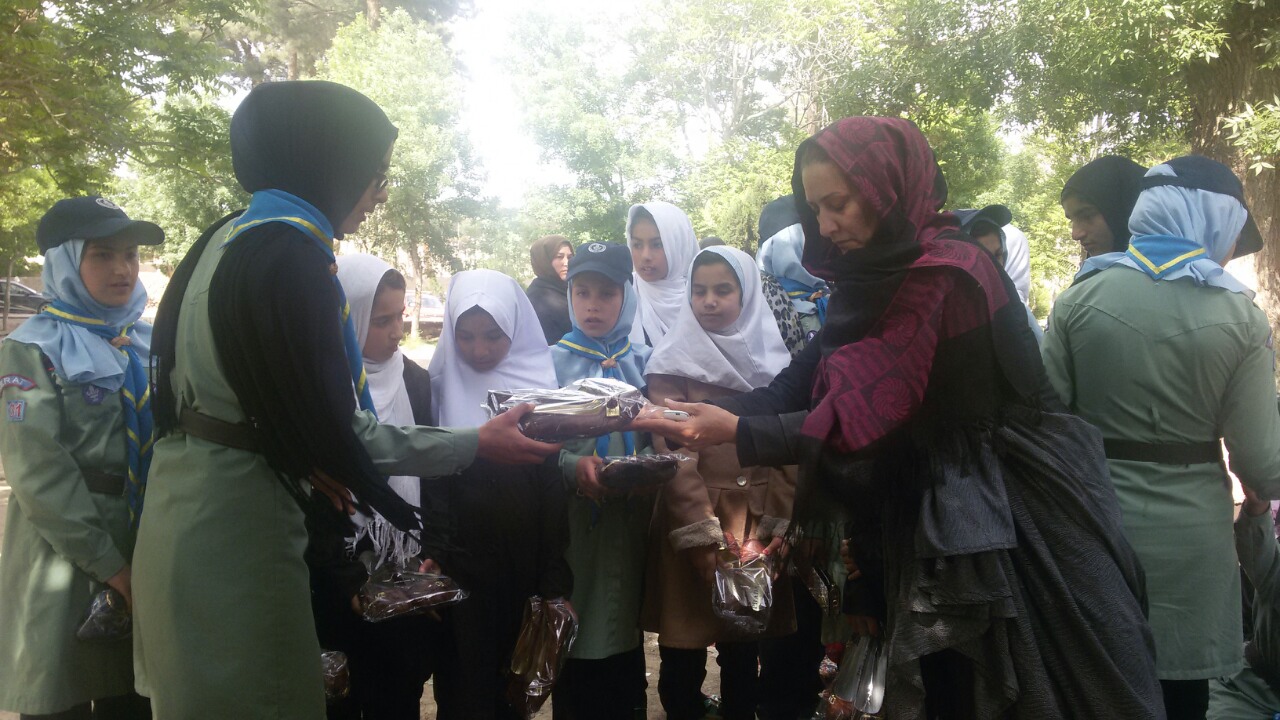
And what about the production conditions of these shoes?
“The donated shoes will be produced in Afghanistan to sustainably strengthen the local economy.”
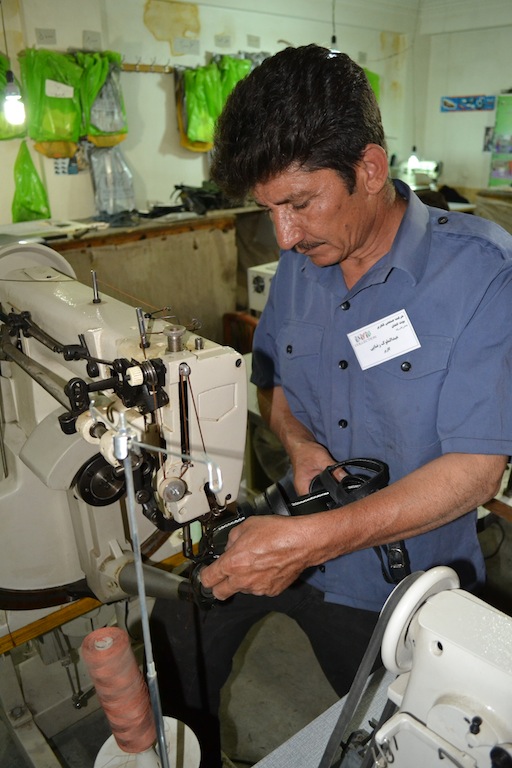
In addition, local production also makes the distribution of donated shoes easier and more targeted. Shoemates works with small local organizations that specialize in distributing supplies in remote areas of Afghanistan. This ensures that the shoes reach where they are needed.
Social impact as an important purchasing argument
Sounds like a great idea. But as well-positioned as shoemates has become, the startup still faces major challenges. This primarily includes generating growth capital, as the team isn't yet able to make a living from its work.
But with the opening of its own flagship stores In Munich's Glockenbachviertel district, at least a step in the right direction was taken last October. Founder Obaid, who was himself born in Afghanistan, believes in his idea because:
"...the simplicity and tangibility of social impact is a key selling point for many customers and makes our product special. Through a transparent value chain, we can show customers exactly what happens with their money and who benefits from it."