The German Aerospace Center The German Aerospace Center (DLR) is represented at 16 locations in Germany with a budget of €888 million (as of 2015). Oberpfaffenhofen, a few kilometers west of Munich, is one of the largest research centers in Germany with approximately 1,800 employees and 12 scientific facilities and institutes – and one of the most startup-intensive locations.
The DLR's area of responsibility is very broad: researching the Earth and the solar system, providing knowledge for environmental conservation and developing environmentally friendly technologies for aviation, energy supply, mobility, communication and security.
Application readiness: DLR aims to bring technologies to market readiness and application
Another goal is to bring the technologies researched at DLR to market, either through spin-offs or through collaborations and technology transfer to existing companies. For this purpose, the Technology Marketing Department was established in 1995 as a contact point for technology-based start-ups.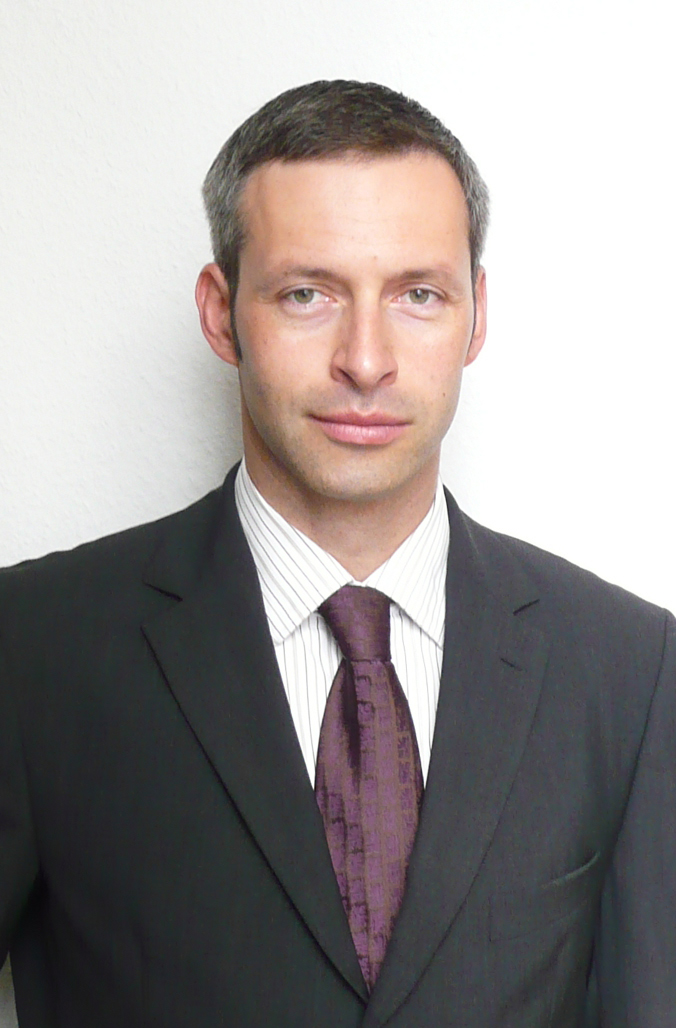
Professionally supported from the idea phase to the market entry phase, there have already been over 15 spin-offs in Oberpfaffenhofen, which are now bringing their products to market with the technologies they initially developed at DLR. We spoke with Robert Klarner, who is responsible for technology marketing at the DLR in Oberpfaffenhofen.
To start with, Klarner explains:
"Our primary goal is to bring technologies into commercial use and widespread application. The core activity for achieving this goal—in addition to licensing agreements, intellectual property rights, and idea generation—is to support startup creation."
A central vehicle is the Helmholtz Enterprise Fund, through which the research and development center receives up to 130,000 euros to prepare the spin-off.
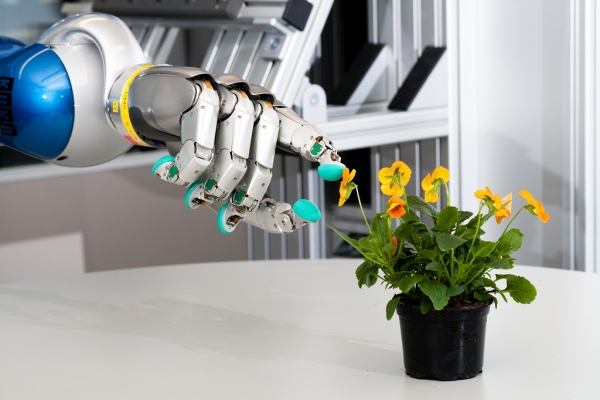
In general, the European approach to technology transfer differs from that in the US, for example. What there is done through investors with large sums of money, in Germany is developed through research institutions and with institutional or public players and developers.
“The fact that the state and society here invest money in basic and applied research, which then benefits companies and ultimately the competitiveness of this country — that is what sets us apart in Europe,”
says Klarner.
100% Focus on business
But how does the fund specifically serve the founders? The spin-off expert summarizes:
"This is a great opportunity for aspiring founders to delve into the details of their startup and think it through. Above all, it gives them time to optimize their chances in advance."
The founders have around ten months to fine-tune their business plan, define their business model more precisely, and plan market entry strategies. During the preparation period, personnel costs are covered by the fund. Then it's time to establish themselves in the private sector and find paying customers.
The DLR provides support during the preparation phase, but afterward, the founders are left to their own devices. Klarner describes it this way:
"We are a non-profit, but not a charitable organization. What we don't do is subsidize existing companies. Competition law alone prohibits us from doing that. From the moment they're founded, spin-offs are treated like any other company; they have to establish themselves on the market. They have to do that themselves."
Courage to niche
The “typical spin-off” of the DLR is based on a single technology of the research center. These "single product companies" acquire a license for a DLR technology under standard market conditions. This often occupies a competitive niche. Typical customers come from industry and are therefore business customers from a wide variety of sectors.
The biggest advantage? The technology is usually their own idea. The founders often co-developed and patented the technology, they are experts in the field, and they have the necessary knowledge and expertise to implement it. “Not only the know-how, but also the ‘do-how’ knowledge lies with the founders,” says Klarner. And, of course, they bring a lot of passion and tenacity with them, with which they first drive research and then the founding of the company.
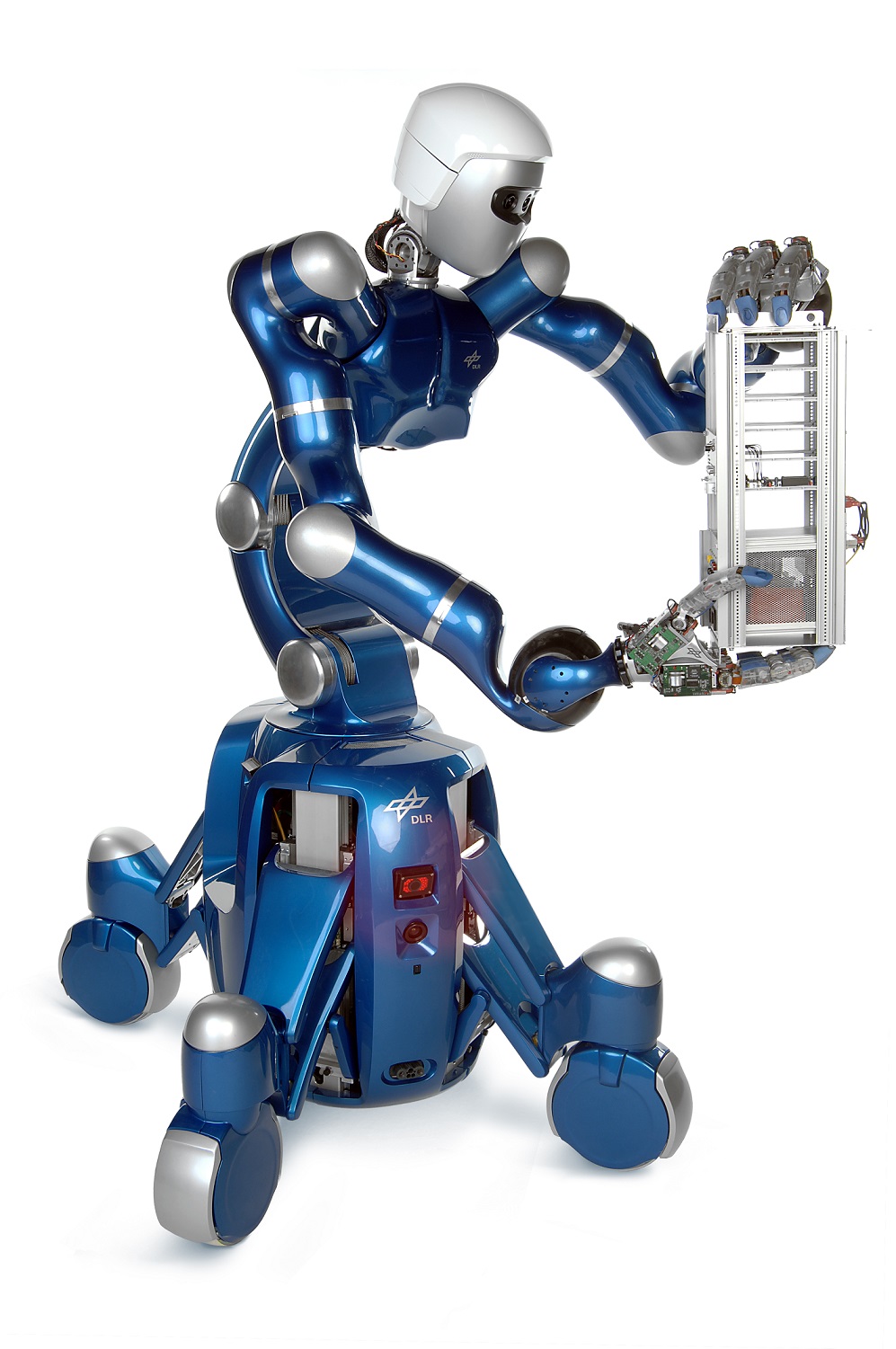
In addition to these two characteristics, two other points are important according to Klarner: willing to learn and not always want to be perfect. So, get to market quickly, test it, maintain close contact with the target audience, and adapt the product accordingly if necessary. It's important and valuable to know how users want to use the product.
With these features and exciting technology, numerous DLR spin-offs are already successfully asserting themselves on the market. For example, a research project on laser communication and fast, secure communication led to the founding of ViaLight Communications GmbH with over 30 employees today and a branch in the USA.
And the research into evaluating real-time satellite and weather radar data using an intelligent algorithm has resulted in a new system for short-term thunderstorm forecasting specifically for air traffic, which the company WxFUSION GmbH offers.
The entrepreneurship gene
At DLR, however, no one is pressured to start a business. Klarner says:
"The willingness to start a company has to come from the researchers themselves. If the developer sees an opportunity for their product and sees themselves as an entrepreneur and a doer, then it will be a spin-off. That's why we look beforehand to see if someone has the 'entrepreneurship gene' and how the team is structured."
Market attractiveness, unique selling points and the strength of the technology also play a major role in the chances of realisation.
But what makes DLR spin-offs so special? These companies actively engage in technology transfer toward new application areas. We wanted to know exactly what that means from Mr. Klarner:
"It's especially exciting when I use robotics technologies from space travel, for example, in medical technology. Or when I transfer satellite data into intelligent transport systems and then create benefits and open up markets there as well."
A good example of this is tacterion, which has licensed a sensor technology from DLR and now wants to transfer it from space robotics to a variety of “terrestrial” applications in industry. The startup recently received a Million-dollar investment.
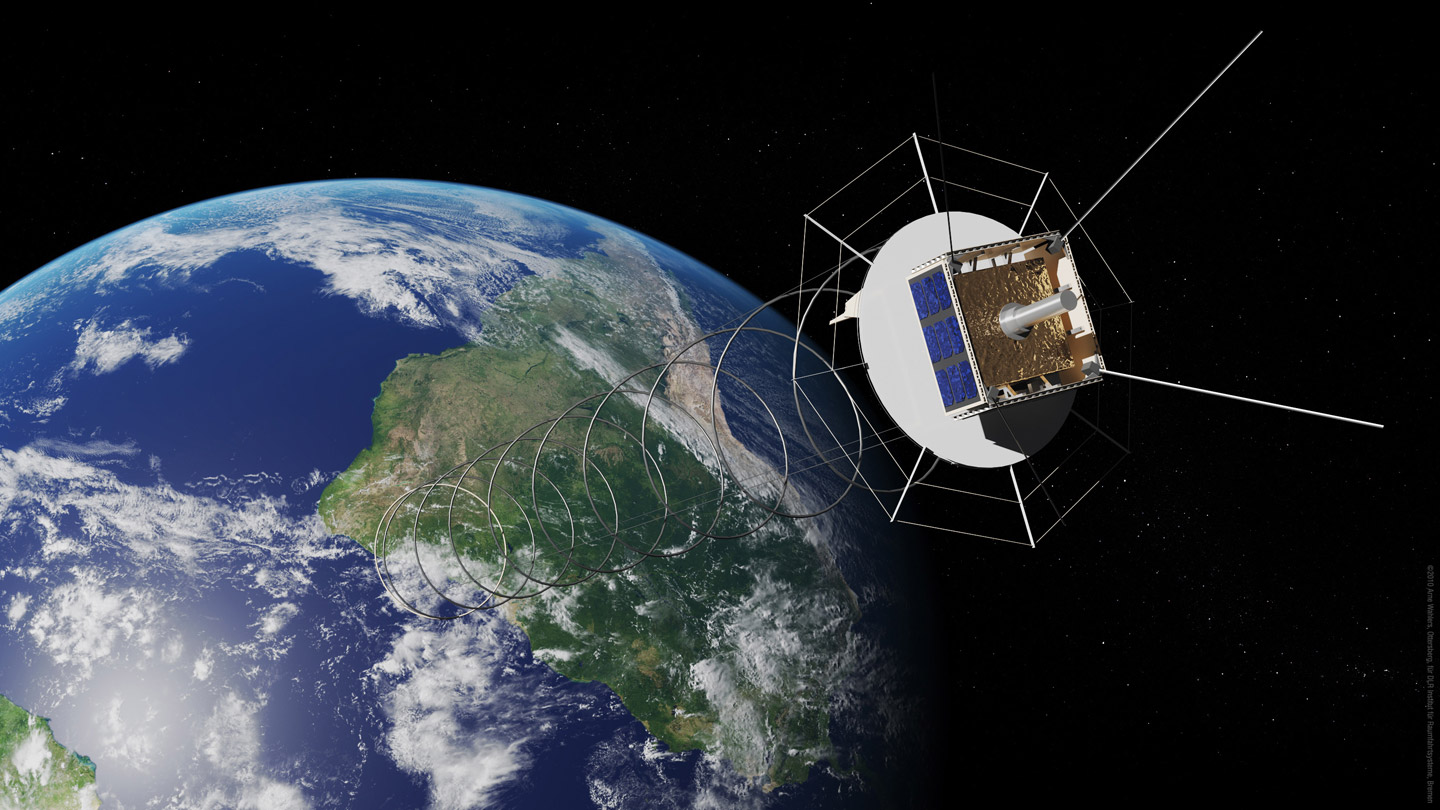
But DLR does not only cooperate with its own spin-offs. DLR as a shareholder and especially Robert Klarner as a member of the evaluation board at ESA BIC Bavaria also connects startups outside of DLR with experts from its own institutes and explores joint opportunities with the founders.
The best tip for startups
When asked for his ultimate advice for startups, Klarner says:
"As a founder, think carefully: Would you buy your own product? And if not, why not? And then you should systematically eliminate any arguments that might speak against the product and avoid hitting the same wall five times."
This tip is also applicable to many industries, not just spacey ideas from aerospace.